
Skip to product information
1 of 1

Riddhish Herbals

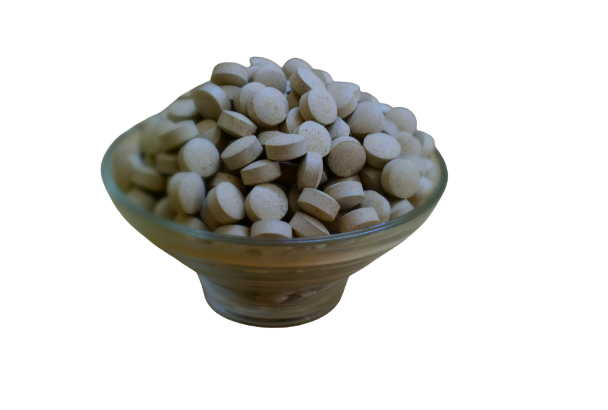
Avipattikar Tablets -100GM | Classical Ayurvedic Formulation – Digestive Balance Support | by Riddhish Herbals

Avipattikar Tablets -100GM | Classical Ayurvedic Formulation – Digestive Balance Support | by Riddhish Herbals

Regular price Rs. 120.00
Regular price Rs. 120.00 Sale price Rs. 120.00
Sale Sold out

🔹 BULLET POINTS

💪 Traditional Digestive Blend: Inspired by classical Ayurveda to support daily digestive balance naturally.

🔥 Helps Maintain Inner Comfort: Encourages harmony between appetite, metabolism and digestive rhythm.

🌱 Herbal Synergy Formula: A thoughtful combination of Triphala, Amla and Sunthi used in Ayurveda for generations.

Gentle On the System: Designed for regular use as part of a mindful wellness routine.

🛡️ Plant-Based Composition: Prepared using authentic herbal ingredients without synthetic additives.

🌼 Supports Daily Lifestyle Habits: Complements modern diets and irregular routines for digestive wellbeing.

🌿 Rooted in Ayurvedic Wisdom: Prepared following classical principles for holistic internal balance.


🔹 USAGE & INDICATION

• Traditionally used in Ayurveda to maintain digestive comfort
• May support digestive rhythm and internal cleansing balance
• Encourages gut wellness when used in a routine lifestyle
• Helpful for individuals consuming heavy or irregular meals
• Advised for use under guidance of an Ayurvedic practitioner
• Works best when combined with mindful eating habits


🔹 DESCRIPTION

In Ayurveda, wellbeing begins with harmony — within digestion, appetite, and daily rhythm. Riddhish Herbals Avipattikar Tablets are prepared using time-honoured Ayurvedic principles to support internal balance through carefully selected herbs traditionally associated with digestive wellness.

This classical Ayurvedic formulation is valued for its role in encouraging digestive comfort and internal lightness. The thoughtfully blended herbs work in synergy to support the body’s natural digestive rhythm while being gentle on everyday use.

Modern lifestyle often includes irregular eating habits, processed foods and mental stress, which may disturb internal balance. Avipattikar Tablets fit easily into a daily wellness routine as an Ayurvedic companion for individuals seeking plant-based digestive support. Prepared using authentic botanical sources, the formula aligns with Ayurveda’s preventive and promotive approach to long-term wellbeing.

The presence of Triphala, Amla and Sunthi highlights Ayurveda’s emphasis on balance rather than suppression. These herbs have been traditionally described for supporting vitality, digestive harmony and internal clarity. Avipattikar is often chosen by individuals who wish to maintain digestive steadiness naturally without relying on aggressive formulations.

This product is suitable for modern wellness seekers who prefer herbal habits for daily maintenance and inner care. Whether used after meals or as part of a practitioner-guided routine, Avipattikar Tablets reflect the classical wisdom of Ayurveda adapted for present-day lifestyles.

If you believe in nurturing balance from within and value herbal wellness traditions, this formulation offers a meaningful addition to your self-care journey.


🔹 INGREDIENTS

• Triphala – Terminalia chebula, Terminalia bellirica, Phyllanthus emblica – 20%
• Haritaki – Terminalia chebula – 15%
• Vibhitaki – Terminalia bellirica – 15%
• Amla – Emblica officinalis – 15%
• Sunthi – Zingiber officinale – 10%


🔹 IMPORTANCE OF EACH INGREDIENT

Triphala: Traditionally valued for internal cleansing and digestive balance.
Haritaki: Described in Ayurveda as supportive for natural elimination.
Vibhitaki: Known for maintaining digestive steadiness and internal lightness.
Amla: Celebrated for antioxidant value and nourishment.
Sunthi: Traditionally associated with warmth and digestive stimulation.


🔹 DOSAGE

As directed by the Ayurvedic practitioner.
Generally, 1–2 tablets once or twice daily after meals with lukewarm water.


🔹 HOW TO USE

Consume after meals with warm water or as advised by your Vaidya.
Maintain consistency along with mindful eating and routine wellness habits.


🔹 Q&A SECTION

Q1. Is this suitable for daily use?
Yes, when used regularly under professional guidance.

Q2. Can I take it long-term?
Ayurvedic routines are personalised. Duration should be decided by your practitioner.

Q3. Is it safe for all age groups?
It is mainly for adults. Seek advice for children and elderly individuals.

Q4. Does it contain artificial additives?
No, it is prepared using herbal ingredients only.

Q5. Can I combine with other supplements?
Consult your healthcare professional for personalised advice.

Q6. When should I take it?
Typically after meals or as guided by your Vaidya.

Q7. Is it vegetarian?
Yes, this formulation is plant-based.

Q8. Can pregnant women use it?
Please consult a doctor before use.

Q9. How should it be stored?
Store in a dry place away from moisture and direct sunlight.

Q10. Does it cause discomfort?
It is generally well tolerated. Discontinue if any uneasiness occurs.


🔹 REGIONAL NAMES & OTHER NAMES

Regional Names | Other Names

Hindi: अविपतिकर टैब
Sanskrit: अविपत्तिकर
Tamil: அவிபத்திகர் டாப்லெட்
Telugu: అవిపత్తికర టాబ్లెట్
Kannada: ಅವಿಪತ್ತಿಕರ ಟ್ಯಾಬ್ಲೆಟ್
Malayalam: അവിപത്തികര ടാബ്ലറ്റ്
Gujarati: અવિપતિકર ટેબલેટ
Punjabi: ਅਵਿਪਤਿਕਰ ਟੈਬਲੇਟ
Bengali: অবিপতিকর ট্যাবলেট
Marathi: अविपतिकर टॅब्लेट

Other Names:

Avipattikara Vati
Avipattikar Gut Formula
Classical Avipattikar Tablets
Ayurvedic Digestive Tablets


🔹 SCIENTIFIC EVIDENCE & REFERENCES

Modern research has explored several ingredients present in Avipattikar formulation for their contribution to digestive wellness and antioxidant balance.

Studies on Triphala have been associated with digestive support, gut comfort and antioxidant activity. Research on Amla highlights its role in oxidative balance and metabolic wellness. Ginger (Sunthi) has been studied for its contribution to digestive comfort and internal warmth.

These findings reflect Ayurveda’s traditional approach of strengthening digestion through botanical synergy rather than isolated interventions.

References:

  1. Peterson et al., 2017 – Journal of Alternative and Complementary Medicine
  2. Baliga et al., 2011 – Journal of Ayurveda and Integrative Medicine
  3. Ali et al., 2008 – Food and Chemical Toxicology
  4. Khan et al., 2014 – International Journal of Preventive Medicine

To know about its traditional references and scientific exploration, please visit Google Scholar:
https://scholar.google.com/scholar?q=Avipattikar+Ayurveda+study

View full details