
Riddhish Herbals
Quassia Wood (Kavasiya) – Ayurvedic Bitter Wood – Riddhish Herbals – 100g
Quassia Wood (Kavasiya) – Ayurvedic Bitter Wood – Riddhish Herbals – 100g
Couldn't load pickup availability
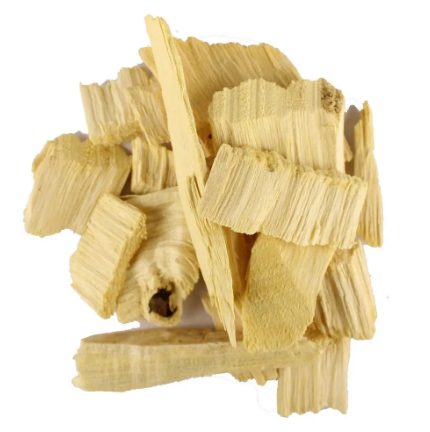
Quassia Wood (Kavasiya) from Riddhish Herbals is a single-herb Ayurvedic raw material made from the wood of Picrasma excelsa, a tall bitter-wood tree native to Jamaica, the West Indies, Surinam and Guiana. It is a non-classical botanical — not described in ancient Sanskrit Nighantu texts — that has been integrated into contemporary Ayurvedic and herbal trade practice on the basis of its intensely bitter (Tikta Rasa) profile. Each pack is genuine, bill-provided material from a doctor-guided store operating since 2015.
About Quassia Wood
Quassia Wood, known in trade as Kavasiya, is prepared from the pale yellow trunk and branch wood of Picrasma excelsa (older synonym: Picraena excelsa), a tree reaching up to 25 metres, native to Jamaica and the wider Caribbean and northern South America.
This is a single-ingredient raw material rather than a finished proprietary medicine — it is typically prepared as a mild water infusion as directed by a Vaidya, with a bill provided on every order.
Traditional Ayurvedic Importance
Unlike classical single herbs described in the Bruhat Trayi and other ancient Samhitas, Quassia Wood is a non-native botanical with no ancient Sanskrit textual lineage. It has been adopted into contemporary Ayurvedic and herbal trade practice functionally, on the basis of its markedly bitter taste — Tikta Rasa — traditionally associated with Pitta-Kapha balancing qualities when used mindfully as part of a digestive-discipline routine.
In parallel, Caribbean and Western folk-herbal traditions have long used Quassia Wood water infusions as a bitter tonic taken before meals, and externally in traditional scalp-cleansing preparations. These are traditional-use descriptions of historical record, not modern medical claims.
Key Features
- Single-herb purity: 100% Quassia Wood chips (Picrasma excelsa) — no blends, fillers, or additives.
- Tikta Rasa (bitter taste): functionally classed within Ayurvedic Tikta Rasa, traditionally associated with Pitta-Kapha balance when used mindfully.
- Cross-cultural bitter tonic: a non-native botanical (Jamaica, West Indies, Surinam, Guiana) integrated into contemporary Ayurvedic and herbal trade practice on the basis of its functional bitter properties, alongside its long-standing use in Caribbean folk herbalism.
- Traditional external use: water infusions have traditionally been used externally as part of scalp-cleansing rituals in some herbal traditions.
- Genuine, doctor-guided sourcing: bill provided with every pack; a store trusted since 2015.
Research on the Constituents
◆ Phytochemical research has isolated canthin-6-one alkaloids from Quassia amara, a closely related quassia-wood species also traded as a bitter tonic botanical — (Barbetti P et al., 1990 — Planta Medica, 56(2):216–217). Note: this study examined Quassia amara rather than Picrasma excelsa itself; both are traded interchangeably as "Quassia wood." PubMed PMID: 17221398
Results were observed under study conditions. Individual results may vary. This is shared for general educational interest and is not a medical claim. Consult your Ayurvedic physician before use.
Ingredients
| Common Name | Botanical | Part | Proportion |
|---|---|---|---|
| Quassia Wood (Kavasiya) | Picrasma excelsa (Sw.) Planch., syn. Picraena excelsa | Wood (trunk/branch chips) | Sole ingredient |
How to Use
As directed by your Ayurvedic physician. Traditionally, a small quantity of wood chips is steeped in water to prepare a mild bitter infusion, taken before meals, or as your Vaidya advises.
Who Can Use It
For use within a qualified Ayurvedic physician's guidance. Not recommended during pregnancy or lactation. If you are on cardiac medication or anticoagulant therapy, managing any health condition, or on any other medication, seek advice before use. Not intended for children without professional guidance.
Safety Information
Quassia Wood is an intensely bitter single-herb raw material, best used in small quantities within a physician-directed routine. Larger-than-advised quantities may irritate the stomach lining and cause nausea. Not recommended during pregnancy or lactation. May interact with cardiac or anticoagulant medication — disclose all medications to your physician before use. Discontinue and consult your physician if any discomfort occurs. Keep out of reach of children. Results may vary from person to person.
Storage
Store in a cool, dry place, away from direct sunlight and moisture.
Frequently Asked Questions
What is Quassia Wood?
It is a single-herb Ayurvedic raw material made from the wood of Picrasma excelsa, a bitter-wood tree traded as Kavasiya, used as a bitter (Tikta Rasa) tonic botanical.
Is Quassia Wood a classical Ayurvedic herb?
No — it is a non-native botanical from the Caribbean and northern South America, not described in ancient Sanskrit texts. It has been adopted into contemporary Ayurvedic and herbal trade practice on the basis of its functional bitter properties.
What are the alternate/regional names for Quassia Wood?
See the Regional Names table below; it is also known as Bitter Wood, Jamaica Quassia, Bitter Ash and Quassia Lignum.
Is this a single-ingredient product?
Yes — it is a raw single-herb wood material (Picrasma excelsa), not a multi-ingredient formulation.
Is this AYUSH- or GMP-made?
Any AYUSH or GMP mark would appear on the physical pack.
How do I know this is the genuine pack?
Every Riddhish Herbals order ships with a bill and is sourced directly through authorised channels — never a grey-market or re-packed unit.
Is it available at Riddhish Herbals?
Yes — Quassia Wood is available at Riddhish Herbals as a genuine, bill-provided product.
How should Quassia Wood be used?
As directed by your Ayurvedic physician — traditionally prepared as a mild water infusion from a small quantity of wood chips.
Has Quassia been studied scientifically?
Yes — phytochemical research has isolated canthin-6-one alkaloids from the closely related species Quassia amara (Barbetti P et al., 1990, Planta Medica). This is shared for general educational interest, not as a medical claim.
How should I store Quassia Wood?
Keep it in a cool, dry place away from direct sunlight and moisture.
Regional Names & Spelling Variants
| Language | Name |
|---|---|
| Local / common name | Kavasiya |
| Hindi | कड़वा लकड़ी / कवासिया (Kadwa Lakdi / Kavasiya) — trade-name transliteration |
| Gujarati | કવાસિયા લાકડું (Kavasiya Lakdu) — trade-name transliteration |
| Marathi | कवासिया लाकूड (Kavasiya Lakud) — trade-name transliteration |
| Tamil | குவாசியா மரம் (Kuvasiya Maram) — trade-name transliteration |
| Kannada | ಕ್ವಾಸಿಯಾ ಮರ (Kvasiya Mara) — trade-name transliteration |
| Malayalam | ക്വാസിയ മരം (Kvasiya Maram) — trade-name transliteration |
| English + Botanical + Part | Quassia Wood, Bitter Wood, Jamaica Quassia, Bitter Ash, Quassia Lignum — Picrasma excelsa (Sw.) Planch. — wood |
| Search variants | Quassia Wood, Kavasiya Akha, Kawasiya, Bitter Wood, Quassia Chips |
| Common misspellings | Kavasiya, Kawasiya, Quasia Wood |
Related at Riddhish Herbals