
Riddhish Herbals
Khadirashtak Kwath-100GM| Classical Ayurvedic Polyherbal Decoction – Skin Wellness & Inner Balance Support | by Riddhish Herbals
Khadirashtak Kwath-100GM| Classical Ayurvedic Polyherbal Decoction – Skin Wellness & Inner Balance Support | by Riddhish Herbals
Couldn't load pickup availability
🔹 BULLET POINTS
💪 Classical Ayurvedic Formula: Prepared as per traditional references like Chakradatta and Yogaratnakara.
🔥 Supports Skin Wellness: Traditionally valued for maintaining healthy-looking skin and internal balance.
🌱 Eight-Herb Synergy: Contains Khadira, Nimba, Guduchi and other herbs known for cleansing support.
✨ Antioxidant-Rich Blend: Includes Amalaki and Haritaki, traditionally associated with rejuvenation.
🧘 Dosha Balancing Support: May help maintain Kapha–Pitta equilibrium as described in Ayurveda.
🍃 Gentle Detox Support: Traditionally used to support Rasa and Rakta dhatu purification.
🌿 Plant-Based Preparation: Made using herbal ingredients only, suitable for vegetarian lifestyles.
🔹 USAGE & INDICATION
• Traditionally used as part of Ayurvedic routines focused on skin clarity and inner balance
• May support natural cleansing processes described in classical Ayurveda
• Commonly included in wellness plans aimed at Kapha–Pitta harmony
• Used under professional guidance as part of long-term lifestyle care
• Intended for general wellness support, not for disease treatment
🔹 DESCRIPTION
In Ayurveda, sustained wellness begins with internal purity and balance. Riddhish Herbals Khadirashtak Kwath is a classical polyherbal decoction prepared using eight time-honoured herbs traditionally mentioned in Ayurvedic texts such as Chakradatta and Yogaratnakara. This formulation reflects Ayurveda’s preventive and promotive approach to health rather than symptomatic relief.
The blend features well-known herbs like Khadira (Acacia catechu) and Nimba (Azadirachta indica), which are traditionally associated with internal cleansing and skin-supportive routines. Guduchi and Amalaki contribute to the formulation’s rejuvenative nature, while Haritaki and Bibhitaki are valued for their role in digestive and metabolic balance in classical Ayurveda.
Khadirashtak Kwath is traditionally described as supportive for maintaining the purity of Rasa and Rakta dhatus, which Ayurveda associates with skin appearance and overall vitality. The formulation is often included in daily or seasonal wellness routines for individuals experiencing lifestyle imbalance, exposure to environmental stressors, or irregular dietary habits.
Prepared as a decoction, this kwath fits seamlessly into mindful self-care practices such as morning or evening wellness rituals. It is especially suitable for those who prefer authentic Ayurvedic formulations made from herbal raw materials without synthetic additives.
Rooted in classical wisdom and adapted for modern lifestyles, Khadirashtak Kwath serves as a gentle, plant-based addition to holistic wellness routines focused on balance, clarity, and long-term wellbeing.
🔹 INGREDIENTS
• Khadira – Acacia catechu – 1 part
• Nimba – Azadirachta indica – 1 part
• Guduchi – Tinospora cordifolia – 1 part
• Amalaki – Emblica officinalis – 1 part
• Haritaki – Terminalia chebula – 1 part
• Bibhitaki – Terminalia bellirica – 1 part
• Vasa – Adhatoda vasica – 1 part
• Patola – Trichosanthes dioica – 1 part
🔹 IMPORTANCE OF EACH INGREDIENT
• Khadira: Traditionally valued for supporting internal cleansing and skin balance
• Nimba: Described in Ayurveda for its soothing and purifying nature
• Guduchi: Considered supportive for immune modulation and dosha balance
• Amalaki: Known for rejuvenating and antioxidant-supportive properties
• Haritaki: Traditionally associated with digestive harmony
• Bibhitaki: Valued for tissue cleansing and balance
• Vasa: Described as soothing and cooling in classical texts
• Patola: Traditionally included in skin-focused herbal combinations
🔹 DOSAGE
As directed by an Ayurvedic practitioner.
Generally, 20 ml of freshly prepared kwath once or twice daily after meals, or as advised.
🔹 HOW TO USE
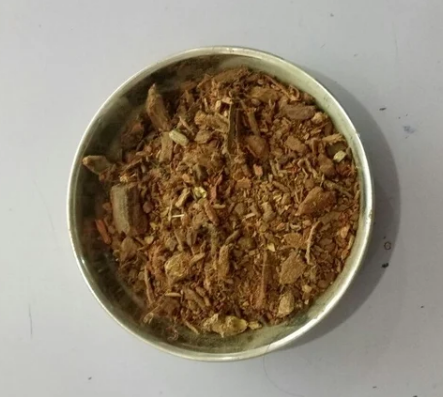
Boil 1–2 teaspoons of the kwath powder in approximately 200 ml of water. Reduce to half, strain, and consume warm. Use regularly along with balanced diet and lifestyle practices.
🔹 Q&A SECTION
Q1. Is Khadirashtak Kwath suitable for daily use?
Yes, it may be used regularly under professional Ayurvedic guidance.
Q2. Does it contain synthetic additives?
No, it is prepared using herbal ingredients only.
Q3. Can it be taken with other Ayurvedic products?
Yes, but consult your Vaidya for personalised guidance.
Q4. Is it vegetarian?
Yes, it is completely plant-based.
Q5. When is the best time to take it?
Commonly taken morning or evening, as advised.
Q6. Does it balance all doshas?
It is traditionally associated with Kapha–Pitta balance.
Q7. Can beginners use this kwath?
Yes, with proper guidance and recommended dosage.
Q8. Is long-term use safe?
Ayurveda recommends duration based on individual constitution.
Q9. How should it be stored?
Store in a cool, dry place away from moisture.
Q10. Does it have known side effects?
Generally well tolerated when used as directed.
🔹 REGIONAL NAMES
Regional Names:
✅ Hindi: खदिराष्टक क्वाथ
✅ Gujarati: ખદીરાષ્ટક ક્વાથ
✅ Tamil: கதிராஷ்டக க்வாத்
✅ Telugu: ఖదిరాష్టక క్వాత్
✅ Kannada: ಖದಿರಾಷ್ಟಕ ಕ್ವಾತ್
✅ Malayalam: ഖദിരാഷ്ടക ക്വാത്
✅ Marathi: खदिराष्टक क्वाथ
Other Names:
✨ Khadirashtaka Kwatha
✨ Khadira Ashtaka Kwath
🔹 SCIENTIFIC EVIDENCE & REFERENCES
Modern scientific research has explored several herbs present in Khadirashtak Kwath—such as Acacia catechu, Tinospora cordifolia, and Emblica officinalis—for their antioxidant activity, support to physiological balance, and role in maintaining normal immune responses. Experimental and observational studies have examined these herbs for parameters related to oxidative stress, metabolic balance, and general wellbeing rather than disease outcomes.
These observations align with Ayurveda’s traditional descriptions of the formulation as supportive for internal purification and systemic harmony when combined with appropriate diet and lifestyle measures. Individual responses may vary depending on constitution (Prakriti), digestive strength (Agni), and daily habits.
References:
- Sharma PV et al., Journal of Ethnopharmacology, 2010
- Singh N et al., Indian Journal of Traditional Knowledge, 2012
- For more peer-reviewed studies, search “Khadira Ayurveda study” on Google Scholar
To know about its traditional references and scientific exploration, please visit Google Scholar:
https://scholar.google.com/scholar?q=Khadira+Ayurveda+study