
Riddhish Herbals
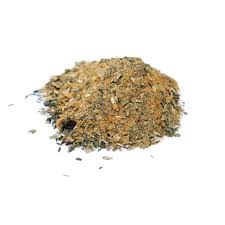
PATHYADI KWATHA | Herbal Poly-Ayurvedic Decoction – Tridosha Balance & Daily Wellness Support | by Riddhish Herbals
PATHYADI KWATHA | Herbal Poly-Ayurvedic Decoction – Tridosha Balance & Daily Wellness Support | by Riddhish Herbals
Couldn't load pickup availability
🔹 BULLET POINTS
• Classical Ayurvedic Formula: Prepared using time-tested herbs described in classical Ayurvedic texts.
• Tridosha Support: Traditionally used to help maintain Vata, Pitta and Kapha balance.
• Herbal Synergy: Combines Triphala, Guduchi, Neem and Turmeric for holistic wellness.
• Plant-Based Formula: Herbal decoction prepared from carefully selected natural ingredients.
• Traditional Kadha Form: Based on the authentic kwatha preparation method described in Ayurveda.
• Daily Wellness Support: Suitable for inclusion in routine Ayurvedic lifestyle care.
• Gentle & Natural: Designed for long-term usage under professional guidance.
🔹 USAGE & INDICATION
• Traditionally used in Ayurveda to maintain internal balance
• Supports Tridosha harmony (Vata–Pitta–Kapha)
• Helps promote systemic cleansing as part of wellness routines
• Used by individuals seeking traditional Ayurvedic lifestyle support
• Suitable for those preferring plant-based natural products
• To be taken under guidance of a qualified Ayurvedic practitioner
🔹 DESCRIPTION
In Ayurveda, true wellness is achieved through balance — not only in the body, but also in daily habits, digestion, and mental clarity. Pathyadi Kwatha is a time-honoured Ayurvedic herbal decoction prepared using a blend of traditionally respected herbs described in classical texts.
This formulation has been part of Ayurvedic heritage for generations and is valued for its role in maintaining internal equilibrium. Each ingredient is carefully selected according to Ayurvedic principles to create a synergistic formulation that aligns with the body’s natural rhythms. The herbs used in Pathyadi Kwatha are traditionally known for their cleansing nature, cooling properties and support for overall balance.
In today’s modern lifestyle — characterised by irregular schedules, processed foods and mental overload — Ayurvedic formulations like Pathyadi Kwatha offer a natural connection back to traditional wellness practices. It is commonly included as part of daily self-care rituals by individuals who prefer herbal solutions rooted in classical Ayurveda.
Pathyadi Kwatha is prepared following the traditional kwatha method, where herbs are gently decocted to draw out their natural essence in a form that is easy for the body to absorb. The formulation reflects Ayurveda’s preventive and promotive approach to wellbeing rather than short-term solutions.
This herbal decoction may be suitable for individuals who wish to make Ayurveda part of their everyday routine in a simple and authentic way. It fits well into morning or evening self-care practices and blends seamlessly with conscious lifestyle choices.
If you prefer natural, time-tested formulations and value traditional knowledge backed by modern understanding, Pathyadi Kwatha offers a gentle yet meaningful addition to your wellness journey.
🔹 INGREDIENTS
• Haritaki – Terminalia chebula
• Bibhitaki – Terminalia bellirica
• Amalaki – Emblica officinalis
• Guduchi – Tinospora cordifolia
• Neem – Azadirachta indica
• Haridra – Curcuma longa
• Kalmegh / Chirayata – Swertia chirata
• Dhaiphool – Woodfordia fruticosa
• Gud (Jaggery)
• Jal Shesh (Ash residue – traditional process)
🔹 IMPORTANCE OF EACH INGREDIENT
• Haritaki: Traditionally valued for purification and internal balance.
• Bibhitaki: Used in Ayurveda for maintaining internal harmony.
• Amalaki: Known for cooling and rejuvenative properties.
• Guduchi: Considered a classical Rasayana herb for holistic support.
• Neem: Traditionally valued for cleansing and internal purification.
• Haridra: Known for warming and balancing properties.
• Chirayata: Frequently mentioned in Ayurveda for systemic wellness.
• Dhaiphool: Traditionally used in decoction preparations for synergy.
🔹 DOSAGE
As directed by the Ayurvedic practitioner.
Generally: 2–4 teaspoonfuls mixed with equal quantity of water, twice daily after meals.
🔹 HOW TO USE
Consume with lukewarm water after meals.
Follow a balanced lifestyle and proper diet for best wellness support.
🔹 FAQ
Q1. Can this be taken daily?
Yes, under professional guidance as part of wellness routine.
Q2. Is it suitable for long-term use?
Traditionally used for extended periods under supervision.
Q3. Is this vegetarian?
Yes, 100% plant-based formulation.
Q4. Does it contain synthetic colours?
No.
Q5. Can elderly people use this?
Consult an Ayurvedic doctor for personalised advice.
Q6. Can it be taken with other medicines?
Always consult before combining with ongoing medications.
Q7. Is it safe for children?
Use only after professional consultation.
Q8. When is the best time to take it?
Usually after meals, morning and evening.
Q9. How should it be stored?
In a cool, dry place away from sunlight.
Q10. Any side effects?
Generally well-tolerated when taken as advised.
🔹 REGIONAL NAMES
✅ Hindi: पथ्यादि क्वाथ
✅ Gujarati: પથ્યાદિ ક્વાથ
✅ Marathi: पथ्यादी काढा
✅ Tamil: பத்யாதி கஷாயம்
✅ Telugu: పథ్యాది కషాయం
✅ Kannada: ಪಥ್ಯಾದಿ ಕಷಾಯ
✅ Malayalam: പഥ്യാദി കഷായം
Other Names: Pathyadi Kadha, Pathyadi Kashayam
🔹 SCIENTIFIC EVIDENCE & REFERENCES
Modern research has explored several key herbs used in Pathyadi Kwatha for their wellness-supportive properties.
• Terminalia chebula has been studied for its antioxidant and digestive support potential.¹
• Emblica officinalis has shown association with antioxidant activity and general wellness support.²
• Tinospora cordifolia has been explored for its role in supporting immune balance and adaptation.³
• Curcuma longa has been studied for its impact on oxidative stress markers.⁴
Ayurvedic science views these herbs as supportive agents for systemic balance when consumed as part of a holistic routine along with mindful lifestyle practices.
References:
- Journal of Ethnopharmacology, 2010
- Phytotherapy Research, 2012
- Indian Journal of Traditional Knowledge, 2011
- Journal of Clinical Biochemistry & Nutrition, 2007
To explore traditional and modern references, search on Google Scholar:
https://scholar.google.com/scholar?q=Pathyadi+Kwatha+Ayurveda