
Skip to product information
1 of 1

Riddhish Herbals

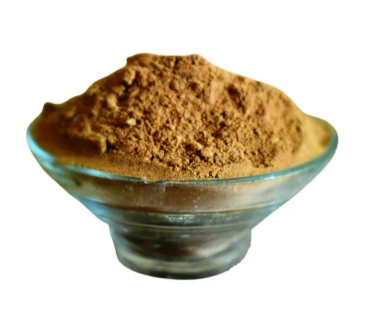
Varun Chhal Churna (Varuna Bark) – Crataeva nurvala Single Herb – Riddhish Herbals – 100g

Varun Chhal Churna (Varuna Bark) – Crataeva nurvala Single Herb – Riddhish Herbals – 100g

Regular price Rs. 100.00
Regular price Rs. 100.00 Sale price Rs. 100.00
Sale Sold out

Varun Chhal Churna from Riddhish Herbals is a single-herb Ayurvedic powder made from the bark (Chhal) of Varuna (Crataeva nurvala Buch.-Ham.), the three-leaved caper, supplied in a 100 g pack. Varuna is recorded in classical Nighantu literature as Mutrala (diuretic) and Lekhana (scraping), and appears in the classical Ashmari context. It is the lead herb of the classical Varunadi group. This churna is the bark and only the bark. Classical categories are given here as the texts give them; no claim is made about any organ or diagnosed condition. Use under the guidance of a qualified Ayurvedic physician.

About Varun Chhal Churna

Varuna is a mid-sized tree found across much of India, and the part Ayurveda uses is its bark — Chhal in Gujarati and Hindi, Twak in Sanskrit. It is Barna in much of north India and the three-leaved caper in English, named for its distinctive trifoliate leaves.

Among raw-herb listings this one has an unusual virtue: there is no ambiguity about the plant part. Several herbs in this range are sold without the pack saying whether you are getting bark, root or fruit. Here both the classical texts and the pack agree on bark, and the product name says so.

In classical Dravyaguna terms Varuna is Katu (pungent) and Tikta (bitter) in Rasa, Ushna (heating) in Virya, and is described as Kapha-Vata shamaka. Its two most consistently recorded actions are Mutrala and Lekhana.

It is also the lead herb of a small classical family. Varunadi is the group of formulations built around it, and we stock two of them — a straight Varunadi Kwath and a Varunshigru Kwath that pairs Varuna with Shigru (Moringa). This churna is the base material rather than a formulation.

What we removed from this listing, and why

This page was rebuilt from a very short legacy listing, and three things came out of it.

The old copy carried a standard boilerplate disclaimer twice — the familiar one that recites a list of prohibited claim words in order to deny them. Under India's Drugs & Magic Remedies (Objectionable Advertisements) Act the words themselves are what matter, so a disclaimer built out of them still puts them on the page. It has gone.

The old copy also repeated organ-specific wellness language and a matching product tag. Varuna's classical record sits in the Mutrala and Ashmari context, and that is how this page states it — as a classical category with its source, not as a promise about any organ or any diagnosed condition.

Third, the Regional Names block gave the Gujarati name as વરુ (Varu). That is a different Gujarati word altogether — it is not a name for this tree. It has been removed rather than corrected in place, because we would rather show no name than a wrong one. See the note under the table below.

Traditional Ayurvedic Importance

Classical Nighantu literature records Varuna with Katu and Tikta Rasa, Ushna Virya and Kapha-Vata shamaka action. The two actions most consistently attributed to it are Mutrala — promoting the flow of urine — and Lekhana, the scraping quality.

Varuna appears in the classical Ashmari context in the Samhitas, and it is the lead herb of the Varunadi gana. That textual association is why it has been used for a very long time and why so much modern marketing is built on top of it. We state the classical term and its context; we do not translate it into a modern outcome.

The bark is the part the texts specify throughout. Where a classical formulation calls for Varuna, it means Varuna Twak.

These are classical Dravyaguna categories quoted from their source. They describe how the texts classify the material; they are not statements about any diagnosed condition.

Key Features

  • One plant, one part, both stated: the bark (Chhal / Twak) of Varuna (Crataeva nurvala Buch.-Ham.) ground to a churna — no blend, no filler, no extract.
  • Bark is the classical part: unlike several herbs in this range, there is no ambiguity here. Varuna Twak is what the classical texts specify and it is what this pack declares.
  • Classically Mutrala and Lekhana: Varuna is recorded in classical Nighantu literature as Mutrala (diuretic) and Lekhana (scraping), and in the Ashmari context. Terms are given as the texts give them, anchored to their source.
  • The base of a family: Varuna is the lead herb of the classical Varunadi group. We also stock Varunadi Kwath and Varunshigru Kwath, which build on it.
  • We do not make organ or stone claims: Varuna's classical Ashmari context is widely turned into confident modern promises online. We give the classical term with its source and stop there.
  • Regional names corrected: this listing previously gave a Gujarati name that is a different word entirely. It has been removed and the table rebuilt.
  • Genuine, doctor-guided sourcing: bill provided with every pack; a store trusted since 2015, with pan-India delivery.

Research on the Constituents

Crataeva nurvala (Varuna) has been the subject of published phytochemical and pharmacological work, much of it on its bark and on the constituent lupeol. Because we could not verify a specific citation to our own standard while preparing this page, we assert no study finding here and attribute nothing to any authors — we point you to the literature directly instead: Google Scholar — Crataeva nurvala / Varuna. An unverified citation is worse than none. Individual results may vary. Consult your Ayurvedic physician before use.

Results were observed under study conditions. Individual results may vary. This is shared for general educational interest and is not a medical claim. Consult your Ayurvedic physician before use.

Composition (label-verified)

Ingredient Botanical Part Quantity
Varuna (Crataeva nurvala Buch.-Ham.) Bark (Chhal / Twak) Single herb 100 g

A single-material raw herb: this pack contains Varuna bark and nothing else — no blend, no excipient, no extract, and no standardisation percentage is claimed. The plant part is bark, which is both what the pack declares and what the classical texts specify for this herb, so unlike several listings in this range there is no plant-part ambiguity to flag. Botanical identity is Crataeva nurvala Buch.-Ham., Family Capparaceae; Crataeva religiosa and Crataeva magna appear as related or synonymous names in older literature and in parts of the trade. Sold as a loose raw material under Riddhish Herbals' own pack.

How to Use

As directed by your Ayurvedic physician. The quantity commonly dispensed for adults is 3 to 5 grams of the churna with warm water, usually twice a day, though the right amount depends on the individual and is your physician's decision. The traditional Anupana is warm water. Varuna is Ushna (heating) in classical character, so it is taken with water rather than dry. Children should be given this only on the direction of a qualified Ayurvedic physician.

Who Can Use It

Suitable for most adults in the quantity advised by a qualified Ayurvedic physician. Because Varuna is Ushna in classical character and classically Mutrala, it does not suit everyone equally, and that judgement belongs with your physician. Not to be taken during pregnancy or lactation except under the direction of a qualified Ayurvedic physician. Anyone with a diagnosed urinary or renal condition should speak to their doctor before taking this or any herb, and should continue the care their doctor has advised. Anyone taking regular medication should consult their physician before starting.

Safety Information

Varun Chhal Churna is a traditional Ayurvedic raw herb and is not a substitute for professional medical care — please seek qualified medical attention directly for any health concern. This page makes no claim about any organ or any diagnosed condition. Varuna's classical Ashmari and Mutrala context is widely turned into confident modern promises elsewhere; we state the classical categories with their source and go no further. If you are managing a diagnosed condition, please continue the care your doctor has advised and do not substitute this or any herb for it. Because Varuna is Ushna (heating) by classical character, an excessive quantity may not suit everyone; keep to the amount your physician advises. Discontinue and consult a physician if any discomfort occurs. Use under the guidance of a qualified Ayurvedic physician if you are pregnant, lactating, taking any medication, or managing any health condition. Keep out of reach of children. Results may vary from person to person.

Storage

Store in a cool, dry place away from direct sunlight, in a tightly closed airtight container. A bark churna keeps well provided it stays dry, but it will clump and lose character if the pack is left open in humidity, so close it firmly and keep damp spoons out of it.

Frequently Asked Questions

What is Varun Chhal Churna?

It is a single-herb Ayurvedic powder made from the bark of Varuna (Crataeva nurvala Buch.-Ham.), the three-leaved caper. Classical Nighantu literature records Varuna as Mutrala and Lekhana, and it is the lead herb of the classical Varunadi group.

Which part of the plant is this?

The bark — Chhal in Gujarati and Hindi, Twak in Sanskrit. This is one of the straightforward ones: the pack, the product name and the classical texts all specify bark, so there is no plant-part ambiguity to flag here.

How is it different from Varunadi Kwath and Varunshigru Kwath?

This is the single raw herb. Varunadi Kwath is a classical decoction formulation built around Varuna, and Varunshigru Kwath pairs Varuna with Shigru (Moringa). Buy the churna if you want the plain herb; buy a Kwath if your physician has specified the formulation.

Does it dissolve stones or help the kidneys?

We make no claim of that kind. Varuna appears in the classical Ashmari context in the Samhitas, and that classical term is stated on this page with its context — but a classical category is not a modern diagnosis and we will not present it as one. If you are managing a diagnosed condition, please continue the care your doctor has advised and speak to them before adding any herb.

Why does the Gujarati name look different from before?

Because the old one was wrong. This listing previously gave the Gujarati name as વરુ (Varu), which is a different Gujarati word and not a name for this tree. We removed it rather than quietly swapping in another native-script form we had not verified. The Gujarati name is shown romanised for now.

Why are several regional names romanised instead of in native script?

Because a wrong native-script name is worse than none — as the Gujarati entry on this very listing demonstrated. Where we could not independently verify a script form for this species to our own standard, we give the romanised name and say so.

How much should I take?

That is for your Ayurvedic physician to decide for you. The quantity commonly dispensed for adults is 3 to 5 grams with warm water, usually twice daily.

Can I take this without a doctor?

It is better not to. Varun Chhal Churna is a classical Ayurvedic raw material and both the quantity and the suitability are matters a qualified Ayurvedic physician should decide for the individual, particularly if you have any diagnosed condition.

Is Crataeva religiosa the same plant?

Crataeva religiosa and Crataeva magna appear in older literature and in parts of the trade as related or synonymous names for the Varuna of Ayurveda. We give Crataeva nurvala Buch.-Ham. as the identity because that is the name the pack and the current Ayurvedic literature use.

Is this AYUSH or GMP certified?

This is a loose raw herb supplied under Riddhish Herbals' own pack. Any AYUSH Standard Mark or GMP mark would appear on the physical pack, and we state such marks only where they are verified on the pack itself. We do not add Organic or ISO product claims unless they are documented on the label.

Has Crataeva nurvala been studied scientifically?

There is published phytochemical and pharmacological work on the species, much of it on its bark and on the constituent lupeol. We have deliberately not attributed a specific finding to specific authors here, because we could not verify a particular citation to our own standard while preparing this page. We link to the literature search instead.

How should I store it?

In a cool, dry place away from sunlight, in a tightly closed airtight container. Keep damp spoons out of the pack.

Is it available at Riddhish Herbals?

Yes — Varun Chhal Churna is in stock at riddhishherbals.com and at our Gujarat retail stores, with pan-India delivery and a proper bill, doctor-guided selection since 2015.

Regional Names & Spelling Variants

Language Name
Local / common name Varun Chhal / Varuna Twak — the bark, as it is asked for at the counter
Sanskrit वरुण (Varuna); also Setu, Tiktashaka in classical lists
Hindi बरना (Barna); also Barun, Baruna
Gujarati Varno / Vayvarno (romanised only — see the correction note below)
Marathi Vayvarna / Haadsandhi (romanised only — native-script form not independently verified this session)
Bengali বরুণ (Barun)
Tamil Mavilingam (romanised only — native-script form not independently verified this session)
Telugu Ulimidi / Bilvavaram (romanised only — native-script form not independently verified this session)
Kannada Neerumatala / Bipatri (romanised only — native-script form not independently verified this session)
Malayalam Neermathalam (romanised only — native-script form not independently verified this session)
English + Botanical + part Three-leaved Caper / Varuna Tree / Sacred Barna — Crataeva nurvala Buch.-Ham. (also seen as C. religiosa, C. magna), Family Capparaceae — dried bark
Romanised search variants Varun chhal · Varun chal · Varuna twak · Barna chhal · Baruna bark · Crataeva nurvala powder
Common misspellings Varan chhal · Varun chaal · Baruna chal · Crataeva nurvela
Correction note This listing previously gave the Gujarati name as વરુ (Varu). That is a different Gujarati word and is not a name for this tree. It has been removed. The Gujarati and southern names are shown romanised until we can verify their native-script forms to our own standard — a wrong native-script name is worse than none.

Related at Riddhish Herbals

Since 2015Genuine ProductsBill ProvidedDoctor-Guided Selection4000+ Ayurvedic Products130+ Trusted BrandsPan-India Delivery
રીધ્ધીશ હર્બલ્સ — ગુજરાતનો વિશ્વાસપાત્ર આયુર્વેદિક સ્ટોર, જ્યાં સાચી સલાહ અને genuine Ayurvedic products એક જ જગ્યાએ મળે છે.
View full details
%}