
Skip to product information
1 of 1

Riddhish Herbals

Vidarikand Churna (Vidari / Bhonyakolum) – Tuber Powder – Riddhish Herbals – 100g

Vidarikand Churna (Vidari / Bhonyakolum) – Tuber Powder – Riddhish Herbals – 100g

Regular price Rs. 100.00
Regular price Rs. 100.00 Sale price Rs. 100.00
Sale Sold out

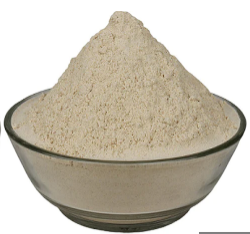
Vidarikand Churna from Riddhish Herbals is a single-material Ayurvedic powder milled from the tuberous root sold in Indian trade as Vidari or Vidarikand, supplied in a 100 g pack. The pharmacopoeial literature correlates Vidari with Pueraria tuberosa (Willd.) DC., family Fabaceae, and Ksheervidari — a distinct drug — with Ipomoea mauritiana. This page does not assert a botanical binomial for this lot: a 2025 chemical-fingerprinting study in the Indian Journal of Traditional Knowledge found that none of the marketed Vidarikand samples it tested matched authentic Pueraria tuberosa, and we have not had this material fingerprinted. The Nighantu literature records Vidari with the synonyms Bhumikushmanda, Svadukanda and Ikshugandha and places it among the Bruhana and Balya drugs; terms are given as the texts give them. Animal work reports estrogenic and antiprogestational activity for this species (Prakash AO et al., 1985 — Acta Europaea Fertilitatis; PMID 4013619), so it is not for use in pregnancy. Use under the guidance of a qualified Ayurvedic physician.

About Vidarikand Churna

Vidari is a tuber, and a large one — the Sanskrit synonym Bhumikushmanda means “the pumpkin of the ground”, and the Gujarati ભોંયકોળું says exactly the same thing. Svadukanda, another of its synonyms, means the sweet tuber. The names are descriptive rather than therapeutic, which is a reasonable clue to how the drug was thought about.

The Nighantu literature places Vidari among the Bruhana (nourishing) and Balya (strengthening) drugs, and records it as Vrishya. Those are classical categories and are given here as the texts give them; the page makes no claim about any modern outcome and no claim at all about fertility. We have not verified a specific classical chapter and verse for this herb, so we do not print one — a citation you cannot check is worth less than an honest gap.

This pack is the milled tuber and nothing else. The part matters: it is the tuberous root, not the vine, the leaf or the flower.

One more thing worth saying before the section below. Vidarikand is inexpensive here, and it is inexpensive everywhere, and that is part of why it is one of the most substituted drugs in the Indian market. Read the next section before you buy this from anybody.

Which plant is actually in the pack?

Which plant is in the pack? An honest answer

Vidarikand is one of the most confused names in the Indian raw-drug trade, and it would be easy for us to print a botanical binomial and move on. We are not going to.

Two things are established in the peer-reviewed literature. First, Vidari and Ksheervidari are pharmacopoeially distinct drugs, not two names for one thing: Venkatasubramanian, Kumar and Venugopal (Indian Journal of Traditional Knowledge 8(3), 2009, 310–318) correlate Vidari with Pueraria tuberosa and Ksheervidari with Ipomoea mauritiana, each carrying its own classical synonym set, and note that the official texts do not present one as a substitute for the other. In practice P. tuberosa dominates in North India and I. mauritiana is widely used as Vidari in the South.

Second, and more bluntly: Tiwari and colleagues (Indian Journal of Traditional Knowledge 24(11), 2025, 1074–1081) chemically fingerprinted marketed “Vidarikand” samples against the marker compounds puerarin, daidzein and genistein and found that none of the market samples they tested matched authentic Pueraria tuberosa. One was morphologically an Ipomoea. The paper also records adulteration in South India with Cycas circinalis, an unrelated and endangered gymnosperm.

So: this pack is sold as Vidarikand, which is what the trade calls it and what your physician will call it. We are not asserting a botanical binomial for this lot, because we have not had it fingerprinted and the published record says a flat assertion would not be safe. The listing is tagged for botanical verification. If species identity matters for your use — and after reading the above you may decide it does — please ask us before ordering and we will tell you exactly what our supplier documentation says.

What is declared, and what is not

Declared: the drug name (Vidarikand), the part (tuberous root), the form (milled churna) and the net quantity, 100 g.

Not declared, and not assumed here: the botanical species, any authentication of the lot, the geographic origin and the harvest year. For this particular drug the species is the declaration that matters most, and it is the one nobody in this price band provides.

The previous version of this listing also stated the powder was rich in natural phytoestrogens. No assay supports that sentence, and given the hormonal-activity literature on this species it is a careless thing to advertise rather than a selling point. It has been removed.

The listing is tagged for botanical and pack-level verification. Ask us before ordering if any of this matters for your use.

Key Features

  • One material, milled: the tuberous root sold in Indian trade as Vidarikand, ground to a churna. No blend, no carrier, no filler.
  • We do not assert the species — and we explain why: a 2025 chemical-fingerprinting study found no marketed Vidarikand sample matching authentic Pueraria tuberosa. Almost every listing for this herb prints the binomial anyway. Ours prints the evidence instead.
  • The tuber is the part: Vidari's drug is the tuberous root, and that is what this pack contains.
  • Classical placement, given as the texts give it: the Nighantu literature records Vidari with the synonyms Bhumikushmanda, Svadukanda, Ikshugandha and Kandapalasha, and places it among the Bruhana (nourishing) and Balya (strengthening) drugs. We have not verified a specific chapter and verse for this herb, so we do not print one.
  • Three verified references, one of them a caution: including the hormonal -activity study that is the reason this page says the herb is not for use in pregnancy.
  • No human trial is claimed: there is not one for this species. The page says so, and keeps the Pueraria mirifica literature — a different plant — off the page entirely.
  • Genuine, doctor-guided sourcing: bill provided with every pack; a store trusted since 2015, with pan-India delivery.

Research on the Constituents

A published review of the plant. Bharti and colleagues at the CSIR Institute of Microbial Technology reviewed the traditional Ayurvedic uses of Pueraria tuberosa tubers alongside the published pharmacological and phytochemical work, noting isolated compounds including puerarin, daidzein, genistein and quercetin — (Bharti R et al., 2021 — Frontiers in Pharmacology 11:582506). PMID 33708108.

A hormonal-activity finding, and the reason for the caution on this page. Prakash and colleagues examined extracts of Pueraria tuberosa tuber in rats, mice and hamsters and reported estrogenic activity along with progestational and antiprogestational effects — (Prakash AO et al., 1985 — Acta Europaea Fertilitatis 16(1):59–65). PMID 4013619. This was work in animals, not in people, and it is a caution rather than a benefit. It is why this page says the herb is not for use in pregnancy.

An animal study on stress response. Pramanik and colleagues examined the effect of a Pueraria tuberosa tuber extract in rats subjected to chronic foot-shock stress and observed reduced physiological stress markers — (Pramanik SS et al., 2010 — Nepal Medical College Journal 12(4):234–238). PMID 21744765. There is no human clinical trial of Pueraria tuberosa. We looked; the species has around three dozen PubMed records and every one is a review, an animal study or laboratory work. Human trials exist for Pueraria mirifica and Pueraria lobata, which are different plants, and we have deliberately kept them off this page.

Results were observed under study conditions. Individual results may vary. This is shared for general educational interest and is not a medical claim. Consult your Ayurvedic physician before use.

Composition (label-verified)

Ingredient Botanical Part Quantity
Vidarikand — milled tuberous root Traded as Vidari; correlated in the pharmacopoeial literature with Pueraria tuberosa (Willd.) DC. — not asserted for this lot Tuberous root Single material, 100 g net; milled, nothing added

A single-material churna: the tuberous root traded as Vidarikand, milled, 100 g net, with no carrier, filler or blend. No botanical binomial and no authentication are claimed for this lot — see the identity section above, where the published evidence for market substitution in this particular drug is set out. Geographic origin, harvest year and particle grade are not stated on the pack. No extract ratio, no standardisation percentage and no phytoestrogen content are claimed. Tagged for botanical verification and pack-level confirmation.

How to Use

As directed by your Ayurvedic physician. A churna of this drug is customarily taken with warm milk, which is the anupan classically paired with the Bruhana drugs, or with warm water. We have not printed a household quantity: the species in the pack is not established, the herb has documented hormonal activity in animal work, and both of those are reasons for a physician rather than a web page to set the amount and the duration. Children should be given this only on the direction of a qualified Ayurvedic physician.

Who Can Use It

Suitable for many adults on professional advice. Not to be used during pregnancy — animal work on this species reports estrogenic activity together with progestational and antiprogestational effects (Prakash AO et al., 1985; PMID 4013619). Not during lactation except under the direction of a qualified Ayurvedic physician. Anyone with a hormone-sensitive condition, or taking hormonal medication of any kind, should raise this herb with their doctor before taking it. Children only on physician direction. Anyone managing a diagnosed condition should speak to their doctor before taking this or any herb, and should continue the care their doctor has advised.

Safety Information

Vidarikand Churna is a traditional Ayurvedic material and is not a substitute for professional medical care — please seek qualified medical attention directly for any health concern. This page is not a diagnosis, and nothing on it should be read as a promise about any illness. Do not use during pregnancy. Animal work on this species reports estrogenic activity along with progestational and antiprogestational effects (Prakash AO et al., 1985 — Acta Europaea Fertilitatis; PMID 4013619); that was a study in rats, mice and hamsters rather than in people, and we are not going to make it more or less than it is. Not during lactation except on physician direction. Take advice first if you have a hormone-sensitive condition or take hormonal medication. Children only on physician direction. No household dose is printed here by design. Note also that the botanical identity of market Vidarikand is unreliable — see the identity section above — which is a further reason to buy it on professional advice. If you are managing a diagnosed condition, continue the care your doctor has advised and do not substitute this or any herb for it. Discontinue and consult a physician if any discomfort occurs. Keep out of reach of children. Results may vary from person to person.

Storage

Store in a cool, dry place away from direct sunlight, in a tightly closed airtight container. A milled starchy tuber is more hygroscopic than most leaf or bark powders and will cake solid if the pack is left open in humidity; a caked tuber powder is also the kind that attracts pantry insects, so keep the pack firmly closed and keep damp spoons out of it.

Frequently Asked Questions

What is Vidarikand Churna?

It is a single-material Ayurvedic powder milled from the tuberous root that Indian trade calls Vidari or Vidarikand, supplied in a 100 g pack. Churna means powder. There is nothing else in it.

Which botanical species is it?

We are not asserting one for this lot, and the reason is set out at length on this page. The pharmacopoeial literature correlates Vidari with Pueraria tuberosa, but a 2025 chemical-fingerprinting study in the Indian Journal of Traditional Knowledge found that none of the marketed Vidarikand samples it tested actually matched that species. We have not had this material fingerprinted, so we will not print the binomial as though we had. Ask us and we will tell you what our supplier documentation says.

What is the difference between Vidari and Ksheervidari?

They are pharmacopoeially distinct drugs with distinct classical synonym sets, though trade uses both names loosely. Venkatasubramanian and colleagues (Indian Journal of Traditional Knowledge 8(3), 2009) correlate Vidari with Pueraria tuberosa and Ksheervidari with Ipomoea mauritiana, and note that the official texts do not present one as a substitute for the other. If your physician specified one of them, say which when you ask us.

Can I take it during pregnancy?

No. Animal work on this species reports estrogenic activity together with progestational and antiprogestational effects (Prakash AO et al., 1985; PMID 4013619). Not during lactation either, except on the direction of a qualified Ayurvedic physician. Anyone with a hormone-sensitive condition, or on hormonal medication, should take advice before using it.

What does Ayurveda classically say about this herb?

The Nighantu literature records Vidari with the synonyms Bhumikushmanda (the pumpkin of the ground), Svadukanda (the sweet tuber), Ikshugandha and Kandapalasha, and places it among the Bruhana (nourishing) and Balya (strengthening) drugs; Vrishya is also recorded. Those are classical categories as the texts give them, not claims about any modern outcome. We have not verified a specific chapter and verse and so do not print one.

Why does this page not give a dose?

Because two things about this drug make a web-page number the wrong instrument: the species actually in the pack is not established, and the herb has documented hormonal activity in animal studies. Ask a qualified Ayurvedic physician for the quantity, the anupan and the duration.

What are the alternate names and spellings?

In Sanskrit विदारी (Vidari), भूमिकुष्माण्ड (Bhumikushmanda), स्वादुकन्दा (Svadukanda); in Gujarat વિદારીકંદ and ભોંયકોળું (Bhonyakolum); in Hindi विदारीकन्द and बिलाई कन्द (Bilai kand); in Marathi भुईकोहळा (Bhuikohala); in Tamil கரிக்கும்மடி (Karikkummati); in Telugu నేల గుమ్మడి (Nela gummadi); in Kannada ಗುಮಡಿ ಗಿಡ (Gumadi gida); in Malayalam മുതുക്ക് (Muthukku). In English, Indian Kudzu. The Bengali name is given romanised only in the table below, because we could not verify its script against a second source.

Has this herb been studied scientifically?

There is a pharmacological literature, reviewed in Frontiers in Pharmacology in 2021 (Bharti R et al., PMID 33708108). There is no human clinical trial of Pueraria tuberosa. Human trials do exist for Pueraria mirifica and Pueraria lobata, which are different plants, and we have deliberately kept them off this page because quoting them here would be a species swap dressed as evidence. Individual results may vary.

Can I take this without a doctor?

It is better not to. The species in the pack is not established, the herb has documented hormonal activity in animal work, and Ayurvedic dosing depends on your constitution. Ask a qualified Ayurvedic physician. Doctor-guided selection is what our store is for.

What is the recommended anupan?

Warm milk is the vehicle customarily paired with the Bruhana drugs, and warm water is the other common choice. Your physician may specify something else for your constitution, and their direction takes precedence over any general rule.

How should I store it?

In a cool, dry place away from sunlight, in a tightly closed airtight container. A milled starchy tuber cakes readily in humidity and, once caked, is the kind of powder that attracts pantry insects. Keep the pack firmly closed and keep damp spoons out.

Is this AYUSH or GMP certified?

This pack is supplied under Riddhish Herbals' own label. Any AYUSH Standard Mark or GMP mark would appear on the physical pack, and we state such marks only where they are verified on the pack itself. We do not add Organic or ISO product claims unless they are documented on the label.

How is this different from other brands?

Principally in that we have told you the species may not be what the label implies. Almost every listing for this herb prints Pueraria tuberosa without qualification. The published fingerprinting work says that assertion is unreliable for market material, so we have printed the evidence instead of the binomial and tagged the listing for verification.

Is it available at Riddhish Herbals?

Yes — Vidarikand Churna is in stock at riddhishherbals.com and at our Gujarat retail stores, with pan-India delivery and a proper bill, doctor-guided selection since 2015.

Regional Names & Spelling Variants

Language Name
Local / common name (Gujarat) — વિદારીકંદ (Vidarikand), ભોંયકોળું (Bhonyakolum) Bhonyakolum literally means “ground pumpkin” — the same idea as the Sanskrit Bhumikushmanda. Also ખાખરવેલ (Khakhar-vel).
Sanskrit विदारी (Vidari) · भूमिकुष्माण्ड (Bhumikushmanda) · स्वादुकन्दा (Svadukanda) · इक्षुगन्धा (Ikshugandha) · कन्दपलाश (Kandapalasha)
Hindi विदारीकन्द (Vidarikand) · बिलाई कन्द (Bilai kand) · बनकुमड़ा (Bankumara)
Gujarati વિદારીકંદ · ભોંયકોળું · ખાખરવેલ
Marathi विदारी · भुईकोहळा (Bhuikohala) · घोडवेल (Ghodvel)
Bengali (romanised only — script not verified) Shimia batraji
Tamil கரிக்கும்மடி (Karikkummati) · நிலப்பூசனி (Nila-p-pucani)
Telugu దారి గుమ్మడి (Dari gummadi) · నేల గుమ్మడి (Nela gummadi)
Kannada ಗುಮಡಿ ಗಿಡ (Gumadi gida) · ಭೂ ಸಕ್ಕರೆ ಗಡ್ಡೆ (Bhoo sakkare gadde)
Malayalam മുതുക്ക് (Muthukku)
English · Botanical · Part used Indian Kudzu · the drug traded as Vidari is correlated in the pharmacopoeial literature with Pueraria tuberosa (Willd.) DC., family Fabaceae — but see the identity note above; no binomial is asserted for this lot · Tuberous root
Romanised search variants Vidarikand · Vidari Kand · Vidarikanda · Vidari · Bilai kand · Bhumikushmanda · Indian Kudzu
Common misspellings Bidarikand · Bidari Kand · Vidharikand · Vidhari · Pueraria tuberose

Related at Riddhish Herbals

Since 2015Genuine ProductsBill ProvidedDoctor-Guided Selection4000+ Ayurvedic Products130+ Trusted BrandsPan-India Delivery
રીધ્ધીશ હર્બલ્સ — ગુજરાતનો વિશ્વાસપાત્ર આયુર્વેદિક સ્ટોર, જ્યાં સાચી સલાહ અને genuine Ayurvedic products એક જ જગ્યાએ મળે છે.
View full details
%}