

Riddhish Herbals
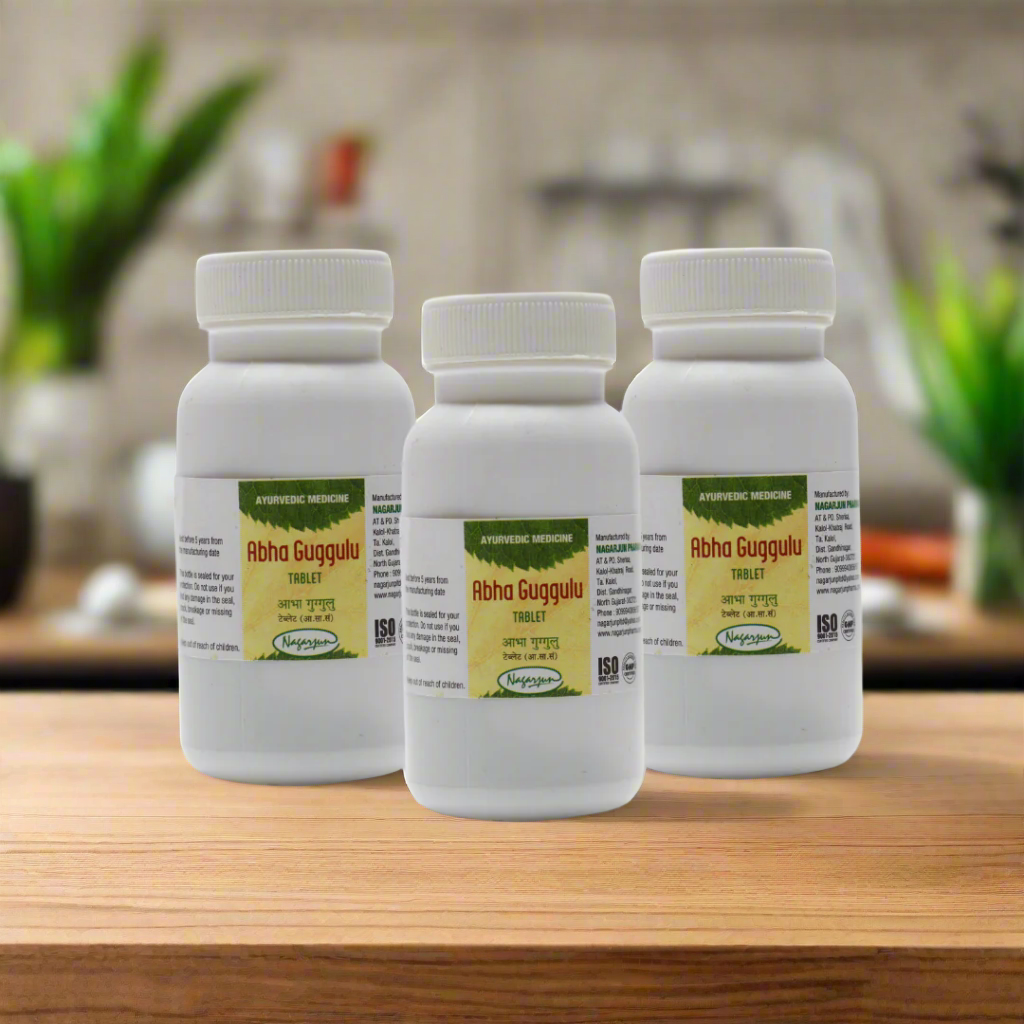
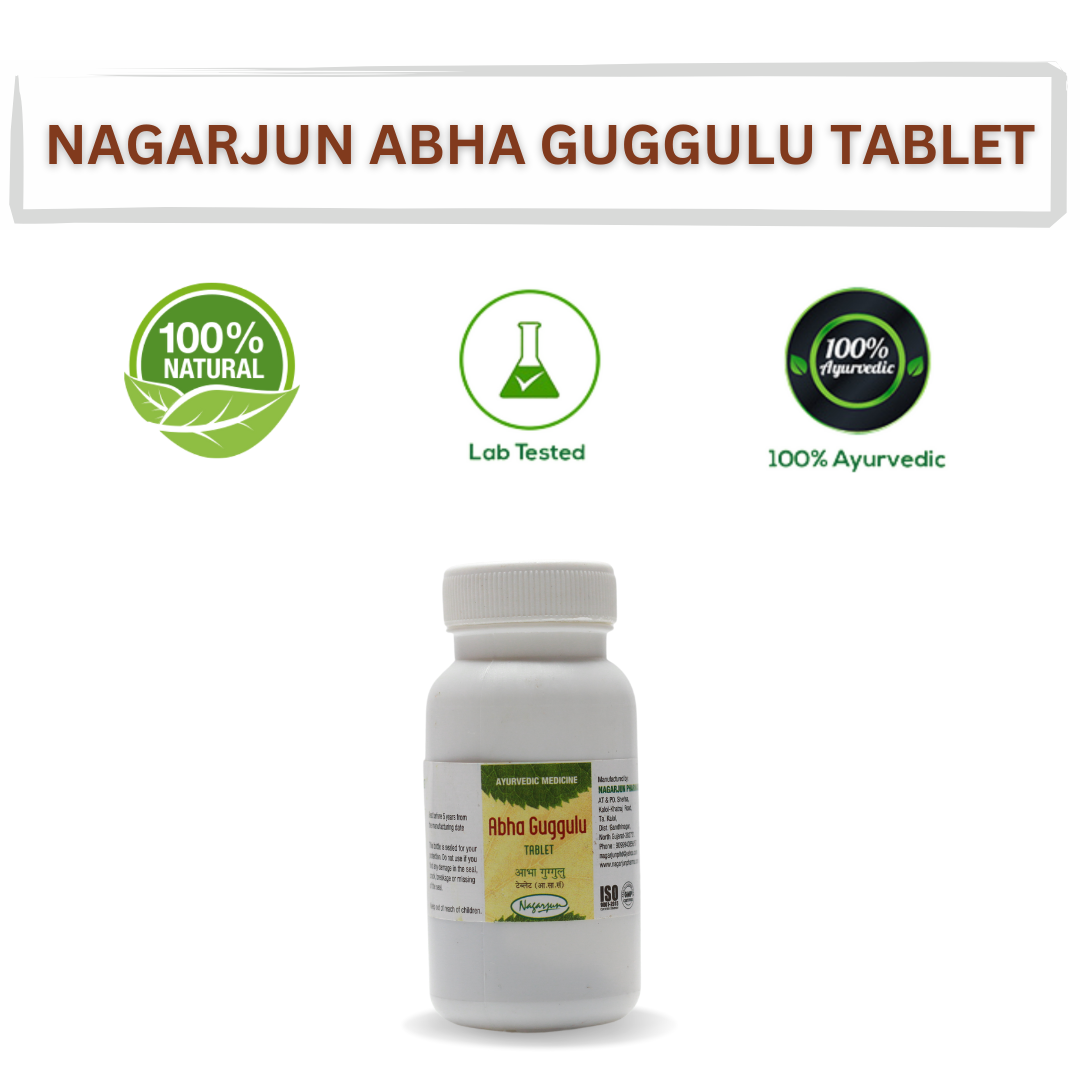
Abha Guggulu | Guggulu Tablets | Nagarjun | 60 Tabs
Abha Guggulu | Guggulu Tablets | Nagarjun | 60 Tabs
Couldn't load pickup availability
About Nagarjun Abha Guggulu 60 Tablets
Abha Guggulu is a classical Ayurvedic compound formulation built around purified Guggulu resin — one of the most extensively documented substances in Ayurvedic pharmacology. The name 'Abha' in Sanskrit carries the meaning of radiance and brilliance, reflecting the traditional belief that this formulation works at the level of Asthi dhatu (bone tissue) to restore structural integrity and functional ease. Guggulu preparations as a class are among the most widely referenced compound formulations in texts spanning the Bruhat Trayi, and Abha Guggulu specifically addresses the musculoskeletal system through Vata-pacifying and Ama-reducing actions. This 60-tablet pack from Nagarjun Pharmaceuticals is manufactured following classical Shodhana (purification) protocols for Guggulu and is available at Riddhish Herbals with genuine documentation.
Traditional Ayurvedic Importance
Guggulu Shuddha (Commiphora mukul) — Purified Resin: Guggulu holds a position of remarkable distinction in classical Ayurveda. Charaka Samhita (Chikitsa Sthana) references Guggulu extensively for its Ushna (heating), Tikshna (penetrating), and Sukshma (subtle) properties that allow it to reach deep tissues including Asthi (bone) and Majja (marrow). Sushruta Samhita classifies it under Dhanvantari Gana — herbs of therapeutic importance for Vata-Kapha disorders. Ashtanga Hridayam places Guggulu among the premier Medhya and Balya substances when purified correctly. Classical texts describe Guggulu as capable of penetrating the Srotas (body channels) and carrying other herbs deeper into tissues — making it an ideal carrier for compound formulations.
Triphala (Haritaki, Bibhitaki, Amalaki): The three-fruit combination provides the Shodhana base for Guggulu purification in this formulation and continues to act as a synergistic component. Charaka Samhita describes Triphala as Tridosha-hara — balancing all three doshas. Haritaki (Terminalia chebula) is described as 'Kayastha' — that which maintains the body. Bibhitaki (Terminalia bellerica) supports Kapha reduction and Amalaki (Emblica officinalis) provides Rasayana (rejuvenating) nourishment to Dhatu. Together they enhance absorption, support Agni, and provide antioxidant protection to the tissues being addressed.
Classical Guggulu Kalpana: Guggulu formulations as a category follow strict classical preparation methods. The resin must undergo Shodhana before compounding. This purification removes Doshi (toxic) fractions and enhances therapeutic fractions. All classical texts agree that unpurified Guggulu should not be used internally. Nagarjun follows traditional Shodhana methodology in manufacturing Abha Guggulu.
Key Features
- Classical Guggulu Kalpana: Formulated per classical Ayurvedic texts using Shuddha (purified) Guggulu resin as base — Shodhana protocol ensures safety and bioavailability
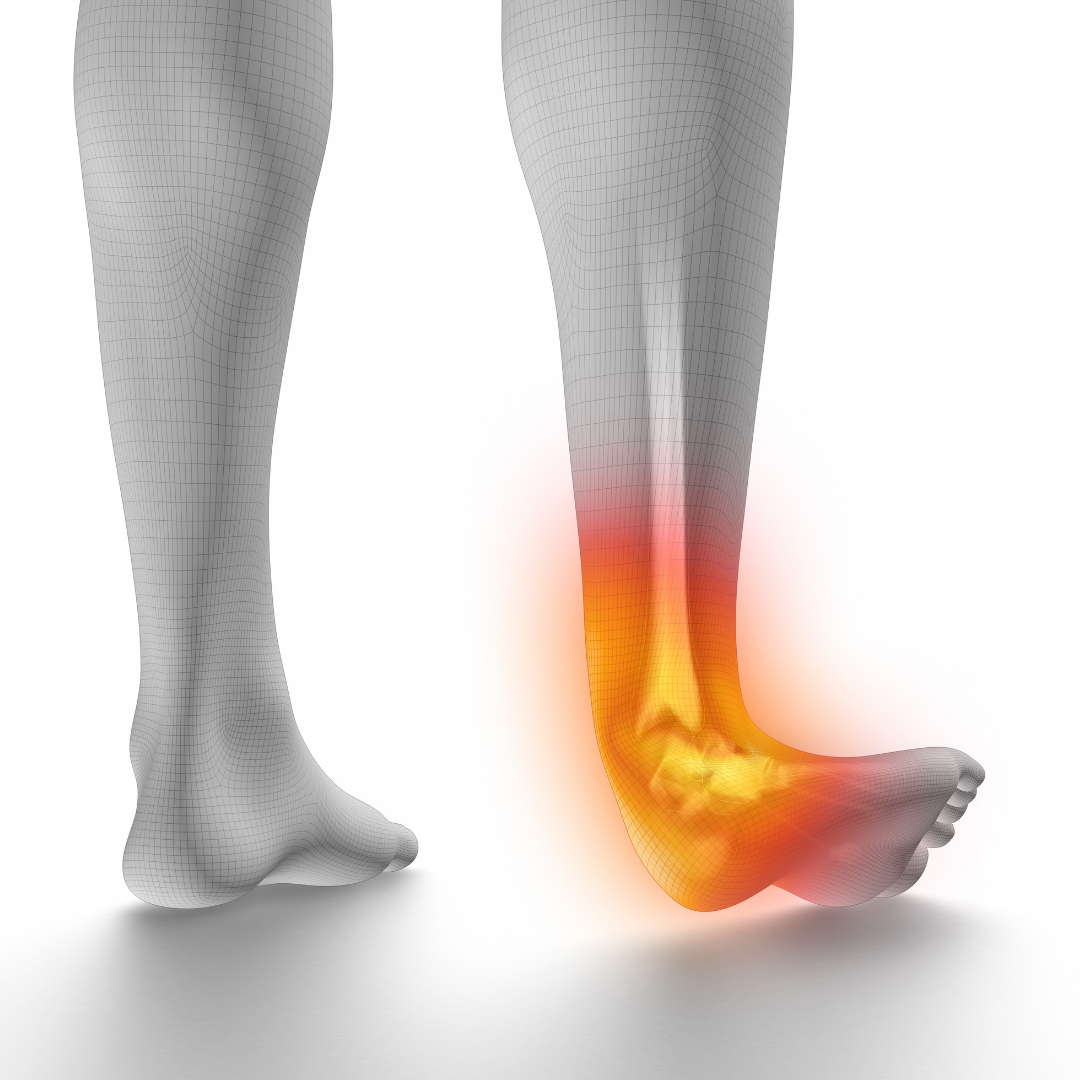
- Asthi Dhatu Focus: Traditionally described for supporting bone tissue metabolism and structural integrity as referenced in Charaka and Sushruta Samhita
- Vata-Kapha Balancing: Guggulu's Ushna and Tikshna properties address the Vata-Kapha imbalances classically associated with musculoskeletal discomfort
- Triphala Synergy: Triphala as co-ingredient enhances Guggulu absorption, supports Agni, and provides Tridosha balancing properties
- Nagarjun Pharmaceuticals Quality: Decades-established Ayurvedic manufacturer following classical preparation standards with quality documentation
- Convenient Tablet Form: Standardised tablet format ensures consistent dose in every tablet — easier to store and carry than churna or liquid forms
- 60-Tablet Pack: Adequate supply for physician-guided therapy duration — typically 15 to 30 days depending on prescribed dose
Ingredients and Composition
Classical Abha Guggulu formulation — percentage composition per tablet based on classical reference ratio (label verification recommended for exact mg values):
- Guggulu Shuddha (Commiphora mukul / Commiphora wighti) — Purified Resin — ~40%: Primary herb and base of the formulation; Vata-Kapha pacifying; penetrates Asthi and Majja dhatu; purified by Shodhana in Triphala decoction; classical carrier for compound formulations
- Haritaki (Terminalia chebula) — Fruit — ~20%: Tridosha balancing; supports digestive fire (Agni); Rasayana activity; component of Triphala base used in Guggulu Shodhana
- Bibhitaki (Terminalia bellerica) — Fruit — ~20%: Kapha-reducing; supports Asthi dhatu nutrition; part of Triphala base; traditionally used for respiratory and musculoskeletal wellness
- Amalaki (Emblica officinalis) — Fruit — ~20%: Rasayana and Pitta-pacifying; richest classical source of Vitamin C equivalent; nourishes all seven Dhatu; part of Triphala base; provides antioxidant protection to bone tissue
- Excipients / Binding agents — as required (QS): Natural binding substances for tablet formation as per GMP standards; does not contribute to active therapeutic ratio
⚠️ Label verification note: Percentages above are based on the classical 2:1:1:1 Guggulu-to-Triphala reference ratio standard for this formulation category. Exact mg per tablet must be verified from the physical product label. Do not use these percentages for clinical dosing guidance — always refer to the printed label and physician's prescription.
Research and Scientific References
Guggulu resin (Commiphora mukul) has been among the most studied Ayurvedic substances in modern phytopharmacological research. A widely referenced study published in the Indian Journal of Medical Research (Nityanand et al., 1989 — Central Drug Research Institute, Lucknow) examined the activity of Guggulsterones — the steroidal compounds found in Commiphora mukul resin — in human subjects under study conditions. Results observed under study conditions. Individual results may vary. Consult your Ayurvedic physician before use.
The CCRAS (Central Council for Research in Ayurvedic Sciences), Ministry of AYUSH, has published pharmacological documentation on Guggulu-based preparations as part of its classical formulations research programme, supporting the traditional use claims referenced in Ayurvedic classical texts. Results observed under study conditions. Individual results may vary.
Amalaki (Emblica officinalis) has been the subject of published research at multiple Indian research institutions. A review in the Journal of Ethnopharmacology (Krishnaveni and Mirunalini, 2010) documented its rich phytochemical profile including tannins, flavonoids, and ascorbic acid relevant to its Rasayana properties as described in classical texts. Results observed under study conditions. Individual results may vary. Consult your Ayurvedic physician before use.
How to Use
As directed by your qualified Ayurvedic physician. Traditional reference dose: 1–2 tablets twice daily after meals with warm water. Warm water is the classical Anupana (vehicle) for Guggulu formulations — it facilitates absorption of the resin and supports the Ushna (heating) action needed for Vata-Kapha pacification. Some physicians prescribe Guggulu formulations with specific herbal decoctions (Kashayam) based on individual assessment. Do not self-prescribe dose or duration. Consistent timing of doses enhances traditional therapeutic benefits.
Who Can Use This
Adults seeking traditional support for bone and joint wellness under qualified Ayurvedic physician guidance. Traditionally described as suited for individuals with Vata or Vata-Kapha predominant constitution experiencing musculoskeletal concerns. Not recommended during pregnancy or lactation without explicit physician clearance. Individuals on allopathic medications — particularly blood thinners, thyroid medications, or lipid-lowering drugs — must inform both their physicians before starting Guggulu-based formulations. Children should use only under paediatric Ayurvedic supervision.
Safety Information
This is an AMBER category classical Guggulu formulation requiring physician guidance. Use strictly under the guidance of a qualified Ayurvedic physician. Consult your physician before use, especially if you are pregnant, lactating, taking any medication, or managing any medical condition. Keep out of reach of children. Results may vary from person to person. Guggulu preparations require assessment of individual digestive capacity (Agni) before prescribing. Start with lower doses if digestion is sensitive. Known drug interactions exist with anticoagulants and thyroid medications — mandatory disclosure to your physician. Do not exceed recommended dosage. Discontinue and consult physician if any adverse reaction occurs.
Storage
Store in a cool, dry place away from direct sunlight and moisture. Keep container tightly closed when not in use. Ideal temperature: below 30°C. Guggulu tablets can soften in heat — avoid storing near heat sources or in hot vehicles. Keep away from strong odours. Check expiry date printed on the label before use. Keep out of reach of children and pets.
Regional Names and Spelling Variants
Guggulu (Primary herb): Sanskrit: गुग्गुलु (Guggulu) | Hindi: गुग्गुल (Guggul) | Gujarati: ગુગ્ગુળ (Guggul) | Tamil: Makilam parpam, Gukkulu | Telugu: Mahishaaksha | Malayalam: Gulgulu | Marathi: Gugul | English: Indian Bdellium, Mukul Myrrh | Botanical: Commiphora mukul / Commiphora wighti | Classical synonyms: Devadhupa, Mahishaksha, Kaushika, Pur, Palankasha | Search variants: guggul, gugul, guggal, commiphora
Haritaki: Sanskrit: हरीतकी | Hindi: हरड़ (Harad) | Gujarati: હરડે (Harde) | Tamil: Kadukkai | Telugu: Karakkaya | Malayalam: Katukka | English: Chebulic Myrobalan | Botanical: Terminalia chebula | Variants: Harad, Abhaya, Pathya
Amalaki: Sanskrit: आमलकी | Hindi: आंवला (Amla) | Gujarati: આમળા (Amla) | Tamil: Nelli | Telugu: Usiri | Malayalam: Nelli | English: Indian Gooseberry | Botanical: Emblica officinalis / Phyllanthus emblica | Variants: Amla, Aonla, Dhatri
Bibhitaki: Sanskrit: विभीतकी | Hindi: बहेड़ा (Baheda) | Gujarati: બહેડા (Baheda) | Tamil: Tandrikkai | Telugu: Tandra | English: Belliric Myrobalan | Botanical: Terminalia bellerica | Variants: Baheda, Vibhitaki, Bibhitaka
Formulation name variants: Abha Guggulu, Abha Guggul, Abha Gugulu, Abha Gugul | Search terms: abha guggulu nagarjun, guggulu tablets 60, classical guggulu ayurvedic, abha guggulu buy online india
Frequently Asked Questions
Is Nagarjun Abha Guggulu AYUSH or GMP certified?
Nagarjun is a long-established Ayurvedic pharmaceutical company. We stock only genuine Nagarjun products and provide a proper bill with every purchase. ✓ Since 2015 | ✓ Genuine Products | ✓ Bill Provided
Can I take Abha Guggulu without consulting a doctor?
No. Abha Guggulu is an AMBER category classical Guggulu formulation. It requires assessment of your Prakriti (constitution), Agni (digestive capacity), and any existing health conditions by a qualified Ayurvedic physician before use. Guggulu formulations also have known interactions with certain allopathic medications — physician clearance is mandatory.
What is Guggulu and why is it the primary ingredient?
Guggulu is the purified oleogum resin of Commiphora mukul, a tree native to arid regions of India. It holds a premier position in Ayurvedic pharmacology — referenced in Charaka Samhita, Sushruta Samhita, and Ashtanga Hridayam for its penetrating (Tikshna) and heating (Ushna) properties that allow it to reach deep tissues including bone and marrow. The purification process (Shodhana) is mandatory before internal use.
What are the alternate names for Abha Guggulu?
Also spelled as Abha Guggul, Abha Gugulu, and Abha Gugul. Guggulu itself carries classical synonyms including Devadhupa (incense of the gods), Mahishaksha (buffalo-eyed), and Kaushika. In regional languages: गुग्गुल (Hindi), ગુગ્ગુળ (Gujarati), Gulgulu (Malayalam), Gukkulu (Tamil). Botanical name: Commiphora mukul or Commiphora wighti.
Does Abha Guggulu interact with allopathic medicines?
Yes — Guggulu-based formulations have documented interactions with anticoagulant medications (blood thinners), thyroid medications, and certain lipid-lowering drugs. If you are on any prescription medication, it is mandatory to inform both your Ayurvedic physician and your allopathic doctor before starting any Guggulu preparation. Do not start or stop either medication without professional guidance.
How do I know this is the genuine pack?
Every Riddhish Herbals order ships with a bill and is sourced directly through authorised channels — never a grey-market or re-packed unit.
How should I store Abha Guggulu tablets?
Store in a cool, dry place below 30°C away from direct sunlight and moisture. Guggulu tablets can soften in excessive heat — never store near heat sources or leave in a hot vehicle. Keep container tightly closed. Check expiry date before use.
What is the recommended Anupana (vehicle) for Abha Guggulu?
Warm water is the classical Anupana for Guggulu formulations. It facilitates resin absorption and supports the Ushna property needed for Vata-Kapha action. Your physician may recommend a specific herbal decoction (Kashayam) as Anupana based on your individual condition and constitution.
How long does one pack of 60 tablets last?
At a typical dose of 2 tablets twice daily (4 per day), one pack of 60 tablets lasts 15 days. At a lower dose of 1 tablet twice daily (2 per day), the same pack lasts 30 days. Your Ayurvedic physician will prescribe the appropriate dose and duration based on your individual assessment.
Has Guggulu been studied scientifically?
Yes. Guggulu (Commiphora mukul) is among the most studied Ayurvedic substances. Nityanand et al. (1989 — Central Drug Research Institute, Lucknow) published research on Guggulsterones — the bioactive steroidal compounds in Commiphora mukul resin — in the Indian Journal of Medical Research. CCRAS (Ministry of AYUSH) has also published pharmacological documentation on classical Guggulu preparations. Results observed under study conditions. Individual results may vary. Consult your Ayurvedic physician before use.
Can Abha Guggulu be taken long term?
Duration of Guggulu therapy must be determined by your Ayurvedic physician. Classical texts recommend periodic assessment during extended Guggulu use. Self-prescribing duration is not advised. Your physician will decide if and when to continue, modify, or discontinue the formulation based on your response and ongoing assessment.
રીધ્ધીશ હર્બલ્સ — ગુજરાતની વિશ્વાસપાત્ર આયુર્વેદિક સ્ટોર, જ્યાં સાચી સલાહ અને genuine Ayurvedic products એક જ જગ્યાએ મળે છે.
✓ Since 2015 | ✓ Genuine Products | ✓ Bill Provided | ✓ Doctor-Guided Selection | ✓ 4000+ Ayurvedic Products | ✓ 130+ Trusted Brands | ✓ Pan-India Delivery