
Riddhish Herbals
Anantmool Churna (Sariva / Nannari) – Indian Sarsaparilla – Riddhish Herbals – 100g
Anantmool Churna (Sariva / Nannari) – Indian Sarsaparilla – Riddhish Herbals – 100g
Couldn't load pickup availability
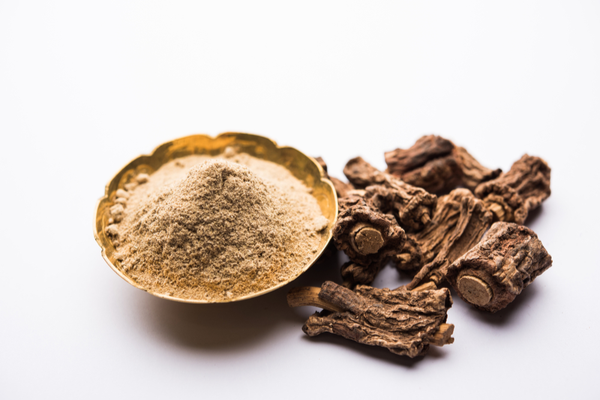
Anantmool Churna from Riddhish Herbals is pure powdered root of Hemidesmus indicus — the herb known in Ayurveda as Sariva (Shweta Sariva) or Anantamula, and across South India as Nannari, the fragrant root of Indian Sarsaparilla. Classical texts classify it as a Sheeta (cooling), Pitta-pacifying Raktashodhaka (blood-cleansing) and Varnya (complexion-supporting) dravya. A review in the Journal of Ethnopharmacology documented its ethnobotany and phytochemistry. Each pack is genuine, bill-provided material from a doctor-guided store operating since 2015.
About Anantmool Churna (Sariva / Nannari)
Anantmool is the long, slender, fragrant root of Hemidesmus indicus, a slender twining plant of the Indian plains. Its Sanskrit name Anantamula means ‘the endless root’ — a nod to its long, spreading roots — while classical Ayurveda knows it best as Sariva. In the South it is the celebrated Nannari, whose root gives the famous cooling Nannari sharbat.
Riddhish Herbals supplies Anantmool as a single-herb churna, ground from the root, sourced under our doctor-guided selection standard with a bill on every order. Note that classical texts describe two Sarivas: this is Shweta Sariva (Hemidesmus indicus), distinct from Krishna Sariva (Cryptolepis buchanani).
Traditional Ayurvedic Importance
Sariva holds a settled place in the Ayurvedic materia medica as a Sheeta (cooling) root with Tikta (bitter) and Madhura (sweet) tastes. Classical texts group it among the Raktashodhana (blood-cleansing) and Varnya (complexion-supporting) dravyas, and it features in classical cooling and Rasayana formulations.
Because of its cooling, Pitta-settling nature, Sariva has long been taken as a fragrant infusion in the warmer months. The South-Indian Nannari sharbat — the root steeped into a sweet, aromatic syrup and served chilled — is the best-known everyday expression of this tradition.
Key Features
- Pure Anantmool / Sariva root powder: single-herb Hemidesmus indicus (Indian Sarsaparilla), nothing added.
- Classical Raktashodhaka: classically classified in Ayurvedic texts among the blood-cleansing (Raktashodhana) and Varnya (complexion-supporting) dravyas.
- Sheeta (cooling), Pitta-pacifying: a naturally cooling, sweet-bitter root valued for settling Pitta.
- The Nannari of South India: the same fragrant root used to make traditional Nannari sharbat, a much-loved summer cooler.
- Versatile: use in classical churnas, cooling infusions or a home sharbat.
- Genuine, doctor-guided sourcing: bill provided with every pack; a store trusted since 2015.
Research on the Constituents
◆ A peer-reviewed review documented recent progress on the ethnobotany, phytochemistry and pharmacology of Indian Sarsaparilla (Hemidesmus indicus) — (Nandy S et al., 2020 — Journal of Ethnopharmacology, 254:112609). PubMed PMID: 32007632
Results were observed under study conditions. Individual results may vary. This is shared for general educational interest and is not a medical claim. Consult your Ayurvedic physician before use.
Ingredients (single-herb, label-verified)
| Ingredient | Botanical (part) | Plant Part | Proportion |
|---|---|---|---|
| Anantmool / Sariva | Hemidesmus indicus | Root | 100% single herb |
Single-herb Anantmool (Shweta Sariva) root powder. No fillers, colours or preservatives added. Being a natural root powder, colour and aroma vary a little by harvest.
How to Use
As directed by your Ayurvedic physician. Anantmool churna is traditionally taken with warm water or milk, or steeped and strained into a cooling infusion or sharbat. The right quantity and anupan are matched to your Prakriti and Agni by a qualified Vaidya.
Who Can Use It
Suitable for most adults as part of an Ayurvedic wellness routine, and especially favoured by those with a Pitta tendency for its cooling nature. If you are pregnant, lactating, on medication, or managing any health condition, consult your physician before regular use. Children should use only as advised by a physician.
Safety Information
Anantmool is a well-tolerated cooling root traditionally used in food and drink. Very large amounts may not suit everyone; introduce it gradually. If you are pregnant, lactating, on medication, or managing any health condition, consult your physician before regular use. Keep out of reach of children. Results may vary from person to person.
Storage
Store the powder in a cool, dry place in an airtight container away from moisture and direct sunlight to preserve its natural fragrance and prevent clumping.
Frequently Asked Questions
What is Anantmool Churna?
It is pure powdered root of Hemidesmus indicus — the Ayurvedic herb Sariva (Anantamula), known across South India as Nannari or Indian Sarsaparilla.
Is Anantmool the same as Sariva and Nannari?
Yes — Anantmool (Anantamula) and Sariva are its classical Sanskrit names, and Nannari is the common Tamil and Malayalam name for the same root, Hemidesmus indicus.
What is Anantmool traditionally used for?
Classical Ayurveda values it as a Sheeta (cooling), Pitta-pacifying root, classified among the Raktashodhana (blood-cleansing) and Varnya (complexion-supporting) dravyas, and enjoyed as a cooling infusion.
What is Nannari sharbat?
Nannari sharbat is a traditional South-Indian summer drink made by steeping Anantmool (Nannari) root into a fragrant sweet syrup, then serving it chilled with water.
Is this Shweta Sariva or Krishna Sariva?
This is Shweta Sariva — Hemidesmus indicus. It is a different plant from Krishna Sariva (Cryptolepis buchanani), though both are called Sariva in the classical texts.
How do I use Anantmool churna?
It is commonly taken with warm water or milk, or steeped and strained into a cooling infusion or sharbat, as advised by your Ayurvedic physician.
Is this AYUSH- or GMP-certified?
Riddhish Herbals supplies this as a genuine, doctor-guided product with a bill on every order. We state AYUSH or GMP certification only where it is verified on the specific pack.
How should I store Anantmool churna?
Keep it in an airtight container in a cool, dry place away from moisture and sunlight to preserve its aroma and prevent clumping.
Has Hemidesmus indicus been studied scientifically?
Yes — a review in the Journal of Ethnopharmacology documented its ethnobotany and phytochemistry. This is shared for general educational interest, not as a medical claim.
Regional Names & Spelling Variants
| Language | Name |
|---|---|
| Local / common | Anantmool / Upalsari; Nannari (South India) |
| Sanskrit | Sariva / Anantamula / Sugandhi (सारिवा / अनन्तमूल) |
| Hindi | Anantmool / Sariva (अनंतमूल) |
| Gujarati | Anantmool / Upalsari (અનંતમૂળ / ઉપલસરી) |
| Marathi | Anantmul / Uparsal (अनंतमूळ / उपळसरी) |
| Bengali | Anantamul / Shyamalata (অনন্তমূল) |
| Tamil | Nannari (நன்னாரி) |
| Telugu | Sugandhi pala (సుగంధి పాల) |
| Kannada | Sogade beru / Sugandhi (romanised) |
| Malayalam | Nannari / Naruneendi (നന്നാറി / നറുനീണ്ടി) |
| English + Botanical | Indian Sarsaparilla / Anantmool — Hemidesmus indicus — root |
| Search variants | anantmool, anantamool, anantmul, sariva, nannari, indian sarsaparilla, hemidesmus indicus |
| Common misspellings | anantmul, anantamul, ananthmool, sariwa, nannaari |
Related at Riddhish Herbals
Manjistha Churna (Rubia cordifolia) · Chandan (Sandalwood) Powder · Vala / Khas (Vetiver) · Ayurvedic Raw Herbs & Materials