

Riddhish Herbals
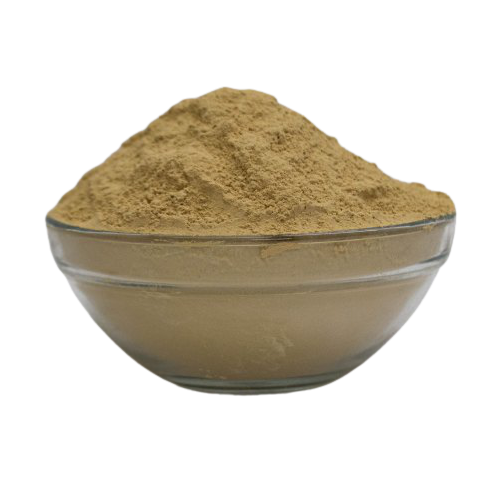
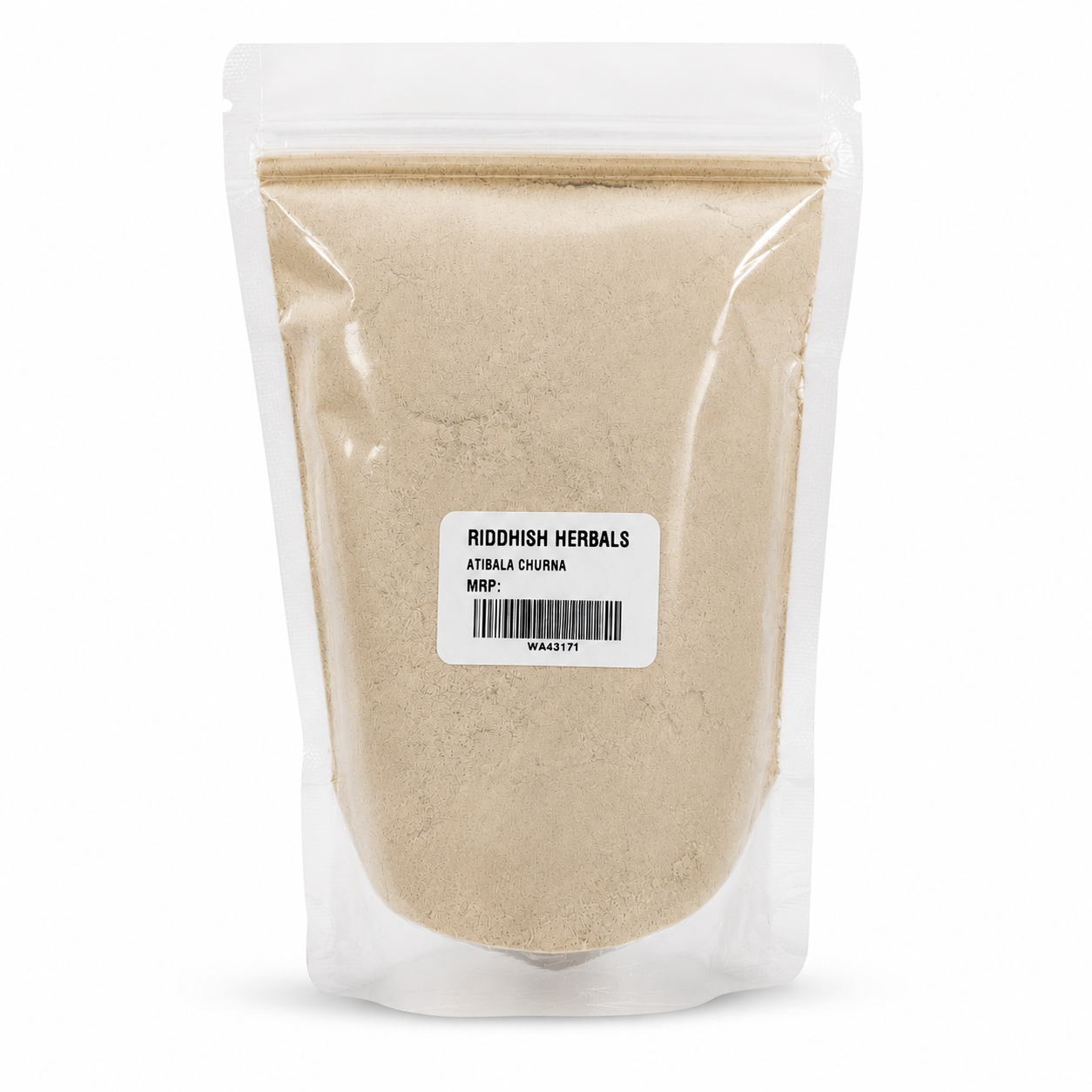
Atibala Churna (Kanghi / Country Mallow) – Abutilon indicum – Riddhish Herbals – 100g
Atibala Churna (Kanghi / Country Mallow) – Abutilon indicum – Riddhish Herbals – 100g
Couldn't load pickup availability
Atibala Churna from Riddhish Herbals is a single-herb Ayurvedic powder of Atibala (Abutilon indicum (Linn.) Sweet), the herb classical texts pair with Bala as “Bala-dwaya” and classify as Balya (strength-giving), Brumhana (nourishing) and Vatahara (Vata-pacifying). Its Sanskrit name means “extra strength” (Ati + Bala), and it is traditionally taken with warm milk as part of a Rasayana routine. A pharmacognostical and phytochemical standardisation study of Atibala fruit is indexed in AYU (PMID 37303858).
About Atibala Churna
Atibala Churna is a single-herb Ayurvedic powder prepared from Atibala, botanically Abutilon indicum (Linn.) Sweet, known in English as Country Mallow or Indian Mallow. The name carries its meaning on its sleeve — Ati (extra) and Bala (strength). It is a close relative of Bala (Sida cordifolia), and classical practice groups the two together as “Bala-dwaya”, the pair of strength herbs.
Riddhish Herbals offers this as a genuine, single-source raw powder — one herb, honestly labelled, with a bill provided. It suits those who want to add a classical Balya dravya to a considered daily routine, taken on the advice of an Ayurvedic physician.
Traditional Ayurvedic Importance
In the Dravyaguna tradition Atibala is classified as Balya (strength-supporting), Brumhana (nourishing and grounding) and Vatahara (Vata-pacifying), and is counted among Rasayana dravyas. Nighantu literature describes its Rasa as predominantly Madhura (sweet), its Guna as Snigdha and Guru, Virya as Sheeta (cooling) and Vipaka as Madhura — the profile of a gentle, nourishing herb suited to Vata.
Classical usage places Atibala alongside Bala in the context of Balya and Brumhana Karma — supporting physical strength, steadiness and comfortable movement as part of a Vata-balancing regimen. The traditional anupan (vehicle) is warm milk, which itself is Brumhana. As with all classical single herbs, the fit to the individual — Prakriti, Agni and season — is decided by the Vaidya.
Key Features
- Single-herb purity — 100% Atibala (Abutilon indicum), one honestly labelled botanical, nothing blended in.
- Classical Balya dravya — grouped with Bala as “Bala-dwaya” in the strength-supporting category.
- Vata-friendly profile — Madhura Rasa, Snigdha-Guru Guna, Sheeta Virya; traditionally Vatahara and Brumhana.
- Rasayana context — valued for steadiness and vitality in a daily routine.
- Traditional anupan — classically taken with warm milk.
- Genuine sourcing — from Riddhish Herbals, since 2015, with a bill provided.
Research on the Constituents
◆ A pharmacognostical and phytochemical standardisation study of Atibala (Abutilon indicum (Linn.) Sweet) fruit is published in AYU (An International Quarterly Journal of Research in Ayurveda) — PMID 37303858. It documents the macroscopic, microscopic and phytochemical profile used to authenticate the raw drug — shared here as evidence of scientific interest in correct identification, not as a health claim.
Results were observed under study conditions. Individual results may vary. This is shared for general educational interest and is not a medical claim. Consult your Ayurvedic physician before use.
Composition (single-herb, label-verified)
| Ingredient | Botanical (part) | Ayurvedic category | Quantity |
|---|---|---|---|
| Atibala (Country Mallow) | Abutilon indicum (Linn.) Sweet — Panchanga / Mula (whole plant / root)* | Balya · Brumhana · Vatahara · Rasayana | 100% (single-herb powder) |
*Sold as a single-herb raw powder. Atibala is classically used as Mula (root) and Panchanga (whole plant); the exact plant part and grind are confirmed against the physical pack before dispatch. No fillers, colours or additives are added by Riddhish Herbals.
How to Use
As directed by your qualified Ayurvedic physician. A common traditional reference is 3–5 g of Atibala Churna taken with warm milk or honey as anupan, once or twice daily after food. Your Vaidya matches the exact quantity, vehicle and duration to your Prakriti and Agni.
Who Can Use It
Adults who wish to include a classical Balya (strength-supporting) herb in a considered daily Ayurvedic routine. If you are pregnant, lactating, taking any prescription medication, or managing a health condition, consult your Ayurvedic physician before use. For children, use only as directed by a qualified Ayurvedic physician.
Safety Information
Atibala is a gentle, nourishing classical herb generally well tolerated when used as advised. Begin with a modest quantity and use it consistently rather than in large amounts. Consult your Ayurvedic physician before use if you are pregnant, lactating, on medication, or managing any health condition. Keep out of reach of children. Results may vary from person to person. Confirm the exact grind and plant part against the physical pack.
Storage
Store in a cool, dry place in an airtight container, away from direct sunlight and moisture. Use a clean, dry spoon each time to prevent clumping and preserve freshness.
Frequently Asked Questions
What is Atibala Churna?
It is a single-herb Ayurvedic powder made from Atibala (Abutilon indicum (Linn.) Sweet), the Country Mallow classified in Ayurveda as Balya, Brumhana and Vatahara. Riddhish Herbals sells it as a genuine, single-source raw powder.
What does the name “Atibala” mean?
It is Sanskrit for “extra strength” — Ati (extra) plus Bala (strength) — reflecting its classical grouping among the strength-supporting (Balya) herbs.
How is Atibala different from Bala (Sida cordifolia)?
Classical texts pair them as “Bala-dwaya”, the two Bala herbs. Bala is Sida cordifolia; Atibala is Abutilon indicum. They share the Balya and Brumhana character and are often described together, while remaining distinct botanicals.
What are the alternate and regional names of Atibala?
Common names include Kanghi and Kakahi (Hindi), Khapat (Gujarati), Mudra and Petari (Marathi), Thuthi / துத்தி (Tamil), and Country Mallow / Indian Mallow in English. A fuller vernacular table appears above.
How should I take Atibala Churna?
As directed by your Ayurvedic physician. Traditionally it is taken with warm milk or honey as anupan, after food. Your Vaidya will set the exact quantity and duration for you.
Is Atibala Churna AYUSH- or GMP-made?
It is offered as a single-herb raw material sourced by Riddhish Herbals. Certification marks such as AYUSH or GMP are stated only where they are verified on the physical pack; if you need a specific certificate, ask us and we will confirm what applies to your batch.
Can I take this without consulting a doctor?
Atibala is a gentle classical herb, but the right quantity and anupan depend on your constitution. We recommend using it on the advice of a qualified Ayurvedic physician, especially if you are pregnant, lactating, on medication, or managing any condition.
How should I store it?
Keep it in a cool, dry place in an airtight container, away from sunlight and moisture, and always use a clean, dry spoon.
Has Atibala been studied scientifically?
Yes — a pharmacognostical and phytochemical standardisation study of Atibala fruit is indexed in AYU (An International Quarterly Journal of Research in Ayurveda), PMID 37303858, documenting how the raw drug is authenticated. Results were observed under study conditions and individual results may vary.
Is it available at Riddhish Herbals?
Yes. Atibala Churna is in stock at Riddhish Herbals with genuine sourcing, a bill provided and pan-India delivery.
Regional Names & Spelling Variants
| Language | Name |
|---|---|
| Local / common name | Kanghi (Hindi belt) · Thuthi / துத்தி (Tamil Nadu) — the names buyers most often type |
| Sanskrit | Atibala (अतिबला); synonyms Kankatika, Rishyaprokta, Bhuribala |
| Hindi | Kanghi, Kakahi, Jhili, Tara-kanchi |
| Gujarati | Khapat, Dabali, Kamsaki (અતિબળ / Atibala) |
| Marathi | Mudra, Petari |
| Bengali | Potari, Petari, Jhapi |
| Tamil | Thuthi (துத்தி), Perun-thutti, Thutti-keerai |
| Telugu | Tutturu-benda, Duvvenakaya |
| Kannada | Tutti, Shri-mudri, Gida-tingi |
| Malayalam | Vellula, Uram |
| English / Botanical | Country Mallow, Indian Mallow · Abutilon indicum (Linn.) Sweet · whole plant / root |
| Search variants (romanised) | atibala churna, atibala powder, kanghi churna, country mallow powder, abutilon indicum powder |
| Common misspellings | atibaala, ati bala, atibla, kanghee, abutilon indica |
Related at Riddhish Herbals
Ashwagandha Churna – Balya Rasayana · Shatavari Churna – Rasayana · All Ayurvedic Raw Herbs & Materials