
Riddhish Herbals
Kantakari Kwath (Bhoringani Decoction) – Solanum xanthocarpum – Riddhish Herbals – 100g
Kantakari Kwath (Bhoringani Decoction) – Solanum xanthocarpum – Riddhish Herbals – 100g
Couldn't load pickup availability
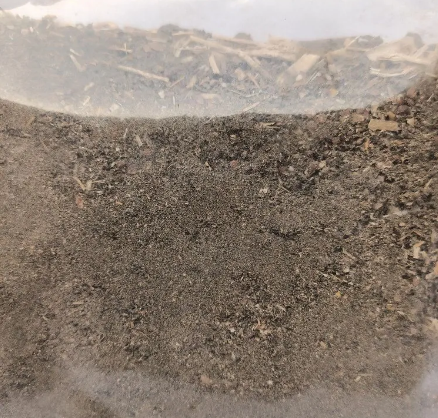
Kantakari Kwath from Riddhish Herbals is the coarse decoction-grade powder of Solanum xanthocarpum (Bhoringani), a classical Ayurvedic single herb and one of the Dashamoola, prepared for home Kwath (decoction). In classical Ayurveda Kantakari is Katu-Tikta in Rasa, Laghu-Ruksha-Tikshna in Guna and Ushna (heating) in Virya, and is described as Kaphahara, Kasahara (cough-easing), Shwasahara and Vatanulomana. It is used in physician-guided classical routines. Each pack is genuine, bill-provided material from a doctor-guided store operating since 2015.
About Kantakari Kwath (Bhoringani Decoction Powder)
Kantakari — Bhoringani, Kateli, Solanum xanthocarpum, the yellow-berried nightshade — is one of Ayurveda’s valued classical Dashamoola herbs. This Kwath pack is the same single herb as our Kantakari Churna, cut and ground to a coarser, decoction-grade texture suited for boiling down into a fresh Kwath at home.
Riddhish Herbals supplies it as single-material Kantakari Kwath powder with a bill on every order. It sits within classical Kapha-balancing routines guided by a Vaidya, who matches the amount and the anupan to the individual. (See also our Kantakari Churna — the same herb as a fine powder.)
Traditional Ayurvedic Importance
Classical texts describe Kantakari as Katu and Tikta in Rasa, Laghu, Ruksha and Tikshna in Guna, Ushna in Virya and Katu in Vipaka, with a Kaphahara, Kasahara, Shwasahara and Vatanulomana character. Kwath (decoction) is one of Ayurveda’s classical five basic preparations (Panchavidha Kashaya Kalpana), traditionally regarded as a fast-acting format because the active constituents are extracted directly into the water base.
As part of the Laghu Panchamoola, Kantakari appears across many classical Kwath formulations. Here it is offered as the single-material decoction-grade powder, for physician-guided classical use rather than as a claim for any specific modern condition.
Key Features
- Classical Kantakari Kwath powder: the coarse decoction-grade powder of Solanum xanthocarpum, prepared for home Kwath (decoction).
- Same herb as Kantakari Churna: the difference is preparation format, not the plant — churna is a fine powder, Kwath is a coarse decoction-grade cut.
- Kasahara & Shwasahara: classically described as cough-easing and breath-easing in the texts.
- Kaphahara & Deepana: traditionally valued as Kapha-balancing and appetite-kindling.
- Clean single material: no fillers, colours or preservatives added.
- Genuine, doctor-guided sourcing: bill provided with every pack; a store trusted since 2015.
Research on the Constituents
◆ Researchers reviewed the phytochemistry and traditional uses of Kantakari, Solanum xanthocarpum (syn. S. surattense), noting constituents such as the steroidal alkaloid solasodine — (Hasan K et al., 2024 — Pharmaceuticals, Basel). PubMed PMID: 39065797
Results were observed under study conditions. Individual results may vary. This is shared for general educational interest and is not a medical claim. Consult your Ayurvedic physician before use.
Ingredients (single-material)
| Ingredient | Botanical (part) | Plant Part | Proportion |
|---|---|---|---|
| Kantakari / Bhoringani (Kwath grade) | Solanum xanthocarpum Schrad. & Wendl. (syn. S. virginianum) (Solanaceae) | Dried whole plant, coarsely ground for decoction | 100% single material |
Single-material Kantakari Kwath powder (Solanum xanthocarpum, Bhoringani) — the same herb as our Kantakari Churna, cut coarser for decoction rather than as a fine powder. The root is the part classically counted in the Dashamoola. No fillers, colours or preservatives added, with the plant part exactly as declared on the physical pack label.
How to Use
As directed by a qualified Ayurvedic physician. A common traditional method: boil 1–2 teaspoons of the Kwath powder in about 2 cups (400 ml) of water, reduce to roughly half, strain and drink warm. Your Vaidya sets the exact quantity, frequency and duration to suit you.
Who Can Use It
Suitable for adults within physician-guided classical routines. In pregnancy, lactation, or if you are on medication or managing any health condition, seek advice before use. Keep out of reach of children.
Safety Information
Kantakari (Bhoringani, Solanum xanthocarpum) is a classical Dashamoola herb of the nightshade family. Use it within a qualified Ayurvedic physician’s guidance, particularly in pregnancy, lactation, or if you are on any medication or managing a health condition. Keep out of reach of children. Results may vary from person to person.
Storage
Store in a cool, dry place in an airtight container away from moisture, heat and direct sunlight. Keep the pack tightly closed after each use.
Frequently Asked Questions
What is Kantakari Kwath?
It is the coarse, decoction-grade powder of Kantakari (Bhoringani), Solanum xanthocarpum, prepared for boiling into a classical Kwath (decoction) at home.
What is the difference between Kantakari Kwath and Kantakari Churna?
Both are the same herb, Solanum xanthocarpum. Churna is a fine powder taken directly or with water; Kwath is a coarser cut meant to be boiled down into a decoction. The plant is identical — only the preparation format differs.
Is Kantakari part of the Dashamoola?
Yes — Kantakari is one of the ten roots of the Dashamoola, specifically within the Laghu Panchamoola (the five lesser roots) group of classical Ayurveda.
What are its classical properties?
Classical texts describe Kantakari as Katu-Tikta in Rasa, Laghu-Ruksha-Tikshna in Guna, Ushna in Virya and Katu in Vipaka, with a Kaphahara, Kasahara, Shwasahara and Vatanulomana character.
How do I prepare the Kwath at home?
Boil 1–2 teaspoons of the powder in about 2 cups of water until it reduces to roughly half, then strain and drink warm, as directed by your Ayurvedic physician.
Is this AYUSH- or GMP-made?
This is a raw single herb in Riddhish Herbals’ own pack. Any AYUSH or GMP mark would appear on the physical pack — we state such marks only where verified on the pack.
Which part of the plant is this?
This Kwath powder is the dried whole plant (panchanga) of Solanum xanthocarpum, coarsely ground. The root is the part classically counted in the Dashamoola; confirm the exact part on your pack label.
Has Solanum xanthocarpum been studied scientifically?
Yes — researchers have reviewed the phytochemistry and traditional uses of Kantakari, Solanum xanthocarpum (Hasan K et al., 2024, Pharmaceuticals, Basel). This is shared for general educational interest, not as a medical claim.
How should I store Kantakari Kwath powder?
Keep it in a cool, dry, airtight container away from moisture, heat and sunlight, and close the pack tightly after use.
Regional Names & Spelling Variants
| Language | Name |
|---|---|
| Local / common | Kantakari / Bhoringani (ભોરીંગણી) |
| Sanskrit | Kantakari, Kshudra, Nidigdhika, Vyaghri (कण्टकारी) |
| Hindi | Kateli, Choti Kateli, Bhatkatiya (कटेली, भटकटैया) |
| Gujarati | Bhoringani, Bhonyringani (ભોરીંગણી) |
| Marathi | Bhui Ringani, Ringani (भुई रिंगणी) |
| Bengali | Kantikari, Kantakari (romanised) |
| Tamil | Kandankathiri (romanised) |
| Telugu | Nela Mulaka, Vakudu (romanised) |
| Kannada | Nelagulla, Kirigulla (romanised) |
| Malayalam | Kantakari, Kantakari chunda (romanised) |
| English + Botanical | Yellow-berried Nightshade / Spiny Nightshade — Solanum xanthocarpum Schrad. & Wendl. (syn. S. virginianum) (Solanaceae) — whole plant, Kwath grade |
| Search variants | kantakari kwath, kantakari kwath powder, bhoringani kwath, kwath powder, kantakari decoction, solanum xanthocarpum, dashamoola kwath, kateli kwath |
| Common misspellings | kantkari kwath, kantakari kwaath, kwath churna, kwaath powder, bhoringni kwath, solanum xanthocarpam |
Related at Riddhish Herbals
Kantakari Churna (same herb — fine powder) · Kanchnar Churna (Kachnar bark — classical single herb) · Kampilak Churna (Kamala — classical single herb) · Ayurvedic Raw Herbs & Materials · Doctor-Guided Product Selection