Skip to product information
1 of 1

Riddhish Herbals

Karveer Mul Churna (Karavira) – Nerium oleander Root – Schedule E1 Raw Material – 100g

Karveer Mul Churna (Karavira) – Nerium oleander Root – Schedule E1 Raw Material – 100g

Regular price Rs. 75.00
Regular price Rs. 75.00 Sale price Rs. 75.00
Sale Sold out

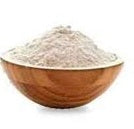
Karveer Mul Churna from Riddhish Herbals is the milled dried root of Nerium oleander L. (syn. N. indicum Mill.), family Apocynaceae — classical Sanskrit Karavira, supplied in a 100 g pack as a raw material for practitioners and manufacturers. Karaveera is named on Schedule E1 of the Drugs and Cosmetics Rules, 1945, and classical Rasashastra classes it as an Upavisha. Its classical use is predominantly external: the two formulations the Ayurvedic Pharmacopoeia of India lists for the root — Karaviradya Taila and Brihanmarichadi Taila — are both medicated oils for kushtha. This stock is ashuddha, unpurified: classical shodhana has not been carried out on it. The fatal figure recorded for the root is about 15 g against a classical internal amount of 30–125 mg, so this is not a material anyone should measure at home. The Sanskrit synonyms Ashvamaraka and Hayamara both mean horse-killer.

What this product is, and who it is for

This is milled dried oleander root, sold as a raw material. It is bought by practitioners who will process it themselves and by manufacturers making the classical medicated oils. It is not a domestic remedy and this page will not present it as one.

Two facts govern everything else on this page. First, Karaveera is on Schedule E1 — the list, made under the Drugs and Cosmetics Rules, 1945, of substances in the Ayurvedic and Siddha systems restricted to dispensing by a registered practitioner. It appears on the Ayurveda vegetable list as Karaveera and on the Siddha list as Alari. Second, this stock is ashuddha — raw and unpurified. Classical shodhana has not been carried out on it, and shodhana is not something to attempt from a web page.

The classical territory of the root is largely external. The Ayurvedic Pharmacopoeia of India's Karavira monograph defines the drug as the dried root and lists two formulations for it — Karaviradya Taila and Brihanmarichadi Taila — both medicated oils applied externally in kushtha. Where classical practice permits internal use at all, it is shodhita material only, in a fraction of a gram, decided by a vaidya.

The numbers, stated rather than softened

We would rather write this out than let a customer discover it later.

The fatal figure recorded in the Indian clinical literature for Nerium oleander root is about 15 g. The classical internal amount, where the texts permit it, is 30 to 125 mg of shodhita root. That is a margin of roughly 120-fold at the maximum classical amount and 500-fold at the minimum.

Put in terms of what is in your hand: a 100 g pack holds on the order of six to seven fatal amounts of root, and somewhere between 800 and 3,300 maximum single classical doses. The classical amount is smaller than a grain of rice. The fatal amount is about a tablespoon. No spoon and no kitchen scale can divide this pack safely, which is the entire reason it is sold to people with dispensing equipment and dispensing training.

The active principles are cardiac glycosides — oleandrin chiefly, with neriin, folinerin, rosagenin, digitoxigenin, adynerin and neriodin. They act on the sodium-potassium pump, which is to say they behave pharmacologically like digoxin. The recorded clinical picture is early vomiting and diarrhoea, then a slowing pulse with conduction changes on the ECG, raised serum potassium, and in severe cases seizures and death. Hospital management uses activated charcoal and, where the arrhythmia is life-threatening, digoxin-specific Fab fragments. If oleander root has been swallowed, go to a hospital immediately and take the pack with you.

Traditional Ayurvedic Importance

Classical Rasashastra places Karavira among the Upavisha — the group one step below the Visha drugs — alongside Arka, Snuhi, Langali, Gunja, Ahiphena, Dhattura, Bhanga and Vishamushti. That is a formal pharmaceutical category with its own rules, not a warning label bolted on later.

The classical synonyms tell the same story without any help from us: Ashvamaraka, Ashvaghna and Hayamara all mean horse-killer. Beside them sit Divyapushpa and Shvetapushpaka for the flower, and Chandataka, Pratihara and Shatakumbha. The tradition knew exactly what it was handling and named it accordingly.

The API records the drug's karma as Shirovirechana, Chakshushya, Krimighna, Shothaghna, Kandughna and Kushthahara — a set that reads externally and topically. The classical external indications are kushtha and obstinate skin conditions, dadru, vrana that will not close, kandu, and application after bites.

Shodhana, where internal use is contemplated, is godugdha swedana — the root steamed in cow's milk in a dolayantra for about three hours, then washed and dried. The Rasamitra verse is “Godugdhe Daulikaswedad Karaveero Vishudhyati”. Again: that has not been done to this stock.

Key Features

  • A Schedule E1 drug, and we lead with that: Karaveera is named on Schedule E1 of the Drugs and Cosmetics Rules, 1945 — the list of restricted substances in the Ayurvedic and Siddha systems. It also appears on the Siddha list as Alari.
  • Classically an EXTERNAL drug, first and foremost: the two formulations the Ayurvedic Pharmacopoeia of India lists for Karavira root — Karaviradya Taila and Brihanmarichadi Taila — are both medicated oils for external application in kushtha. That is the drug's main classical territory.
  • An Upavisha, and the tradition never hid it: its classical synonyms include Ashvamaraka, Ashvaghna and Hayamara — all of which mean horse-killer. Sanskrit encoded the warning into the name.
  • The numbers, plainly: the fatal figure recorded for the root is about 15 g. The classical internal amount is 30–125 mg. That is a margin of roughly 120 to 500 fold, and it is why nobody should be measuring this at home.
  • This stock is ashuddha — unpurified raw root. Classical shodhana (dola-swedana in cow's milk) has NOT been carried out on it. It is supplied as a raw material to practitioners and manufacturers who will process it themselves.
  • The web address on this page is wrong and we are not hiding it: it names Caesalpinia bonducella, an entirely different plant that is never called Karveer in any Indian language. Correcting a web address is a decision with search consequences, so it is flagged rather than changed quietly.
  • Genuine, doctor-guided sourcing: bill provided with every pack; a store trusted since 2015.

Research on the Constituents

No PMID is asserted on this page. NCBI returns a bot-check to us, so no PubMed record was opened while this page was built and nothing is attributed to any authors by identifier. What follows is described honestly and you can find it yourself.

Oleander is one of South Asia's most documented causes of plant-related death. An Indian Journal of Critical Care Medicine update on oleander and datura (Pillay and Sasidharan, 2019) records that plant material accounts for roughly 6–15 per cent of all such cases in India nationally and as much as 63 per cent in some rural populations, and gives the fatal root figure used on this page. A 2025 review in Toxins (Sacco and colleagues) puts South Asian case numbers in the tens of thousands annually with on the order of a thousand deaths a year, and states directly that oleander is “commonly used in traditional medicine, leading to numerous accidental cases arising from misidentification or incorrect dosage”. We have quoted that because it describes precisely the failure mode this page exists to prevent. PubMed — search the oleander clinical literature.

On shodhana, the honest limit of what is known. A published analytical comparison of unpurified and purified Karaveera reports changes in ash, extractive and foreign-matter values after classical purification — but it does not quantify the cardiac glycosides at all. We found no study that measures oleandrin before and after classical shodhana. So we will not tell you that purification has been shown to remove the active principle. It is classically mandatory; that is a different statement from proven. Individual results may vary.

Results were observed under study conditions. Individual results may vary. This is shared for general educational interest and is not a medical claim. Consult your Ayurvedic physician before use.

Composition (label-verified)

Ingredient Botanical Part Quantity
Karveer Mul — milled dried root Nerium oleander L., syn. N. indicum Mill., N. odorum Soland. (Apocynaceae) Dried root — the part the API's Karavira monograph defines Single material, 100 g net. Ashuddha — unpurified

One material: unpurified dried oleander root, milled. Nothing is blended into it and nothing has been done to it beyond drying and milling. In particular, classical shodhana has NOT been carried out — this is the raw article.

Label not verified. No physical pack label was read when this page was built. The printed label is the final authority.

The web address for this page names the wrong plant. It reads caesalpinia-bonducella. Caesalpinia bonducella is Latakaranj or Sagargota, an unrelated plant, and it is never called Karveer in any Indian language — its vernacular names cluster entirely on the karanj and gota roots. The address is left over from a different product that once sat there. Changing a web address has search consequences that need deciding rather than assuming, so it is flagged here in the open instead of being altered quietly.

How to Use

There is no home use for this product and we are not going to print one.

This is a raw material supplied to registered practitioners and to manufacturers. What they do with it — shodhana by dola-swedana in cow's milk, then incorporation into Karaviradya Taila, Brihanmarichadi Taila or another classical preparation — is pharmacy work done with pharmacy equipment.

Why no quantity appears here. The classical internal amount for shodhita root is 30–125 mg. We print that only so a practitioner can recognise a wrong figure, and we print no household measure at all, because none exists that is accurate at that scale. A quarter teaspoon of this powder is in the region of a gram — roughly eight to thirty times the maximum classical amount.

If you have bought this expecting a domestic remedy, do not use it. Write to us and we will take it back.

Who Can Use It

Registered Ayurvedic practitioners and licensed manufacturers. That is the intended buyer and the only one we can responsibly describe.

Not for self-administration by anyone, in any quantity. Not in pregnancy, not while breastfeeding, not for children, not for anyone managing a heart condition or taking cardiac medication — oleander's active principles act on the same pump that digoxin does.

Keep it out of reach of children and away from food storage. This is a plain powder in a plain pack and it does not look like what it is.

Safety Information

Use strictly under the guidance of a qualified Ayurvedic physician. Consult your physician before use, especially if you are pregnant, lactating, taking any medication, or managing any medical condition. Keep out of reach of children. Results may vary from person to person.

Schedule E1. Karaveera is named on Schedule E1 of the Drugs and Cosmetics Rules, 1945, on the Ayurveda vegetable list, and again on the Siddha list as Alari. Schedule E1 restricts a substance to use under medical supervision and requires a statutory caution on any finished medicine containing it. A note on our own evidence: we confirmed this from three independent published reproductions of the Schedule, but the primary Gazette text was not reachable to us. We would rather tell you the limit of our checking than imply a certainty we do not have.

This stock is unpurified. Classical shodhana has not been carried out on it. It is the raw article and should be handled as such.

The margin is the point. About 15 g of root is a fatal amount. The classical internal amount is 30–125 mg. A 100 g pack contains roughly six to seven fatal amounts. There is no domestic measuring instrument that works at 30 mg.

If oleander root has been swallowed — go to a hospital now, and take the pack. Do not wait to see whether symptoms develop. Effective hospital management exists, and it works best early.

A note we owe you about e-commerce. A Ministry of Ayush advisory dated 14 July 2022 directs e-commerce platforms that Ayurvedic, Siddha and Unani drugs containing Schedule E1 ingredients should be sold only against a valid prescription from a registered practitioner, uploaded by the buyer. We are raising this openly with our own management rather than quietly ignoring it, and we will say here what we decide.

Use strictly under the guidance of a qualified Ayurvedic physician. Consult your physician before use, especially if you are pregnant, lactating, taking any medication, or managing any medical condition. Keep out of reach of children. Results may vary from person to person.

Storage

Store in a cool, dry place away from direct sunlight, in a tightly closed container, clearly labelled, well away from food and from anything else that is milled and white. Keep out of the reach and sight of children. This is a Schedule E1 raw material and it should be stored the way a pharmacy stores one.

Frequently Asked Questions

What exactly is Karveer Mul Churna?

Milled dried root of Nerium oleander L. (syn. N. indicum Mill.), family Apocynaceae — classical Sanskrit Karavira. It is supplied as a raw material, unpurified, in a 100 g pack.

Is it the same as Latakaranj or Sagargota?

No. The web address for this page says caesalpinia-bonducella, which is Latakaranj or Sagargota — a completely different plant that is never called Karveer in any Indian language. That address is left over from a different product. The plant in this pack is oleander.

Is it legal to sell?

Karaveera is named on Schedule E1 of the Drugs and Cosmetics Rules, 1945, which restricts a substance to use under medical supervision rather than prohibiting it. We confirmed that from three independent published reproductions of the Schedule; the primary Gazette text was not reachable to us, and we would rather say so. A Ministry of Ayush advisory of 14 July 2022 also directs e-commerce platforms to require an uploaded prescription for Schedule E1 drugs, and we have raised that internally.

Can I use this at home?

No, and we will not print a domestic instruction. About 15 g of oleander root is a fatal amount; the classical internal amount is 30–125 mg. A quarter teaspoon of this powder is around a gram — roughly eight to thirty times the maximum classical amount. No kitchen spoon or scale works at that scale. If you bought this expecting a home remedy, write to us and we will take it back.

What is it actually used for in Ayurveda?

Predominantly externally. The Ayurvedic Pharmacopoeia of India lists two formulations for Karavira root — Karaviradya Taila and Brihanmarichadi Taila — and both are medicated oils applied externally in kushtha. The recorded karma is likewise topical in character. Internal use, where classical practice permits it at all, is shodhita material only in a fraction of a gram.

Has this root been purified?

No. This is ashuddha — raw, unpurified root. Classical shodhana is godugdha swedana: steaming in cow's milk in a dolayantra for about three hours, then washing and drying, per the Rasamitra verse “Godugdhe Daulikaswedad Karaveero Vishudhyati”. Whoever buys this does that themselves.

Does shodhana make it safe?

We are not going to tell you that, because nobody has shown it. A published analytical comparison of unpurified and purified Karaveera reports changes in ash and extractive values — but it does not measure the cardiac glycosides at all, and we found no study that measures oleandrin before and after classical purification. Shodhana is classically mandatory. That is a different statement from proven.

Why are the Sanskrit names so alarming?

Because the tradition was being accurate. Ashvamaraka, Ashvaghna and Hayamara all mean horse-killer. Classical Rasashastra files Karavira among the Upavisha, the group one step below the Visha drugs, with its own pharmaceutical rules. None of that is modern caution added on top; it is how the drug has always been classified.

What do I do if someone swallows it?

Go to a hospital immediately and take the pack with you. Do not wait for symptoms. Oleander acts on cardiac conduction and what a hospital can do for it works best early; management includes activated charcoal and, in severe cases, digoxin-specific antibody fragments. Tell the clinical staff it is oleander root — that single word changes what they do next.

What are the regional names?

Kaner in Hindi, Gujarati, Punjabi and Urdu; Kanher in Marathi; Karabi in Bengali; Arali or Sevvarali in Tamil; Ganneru or Erra Ganneru in Telugu; Kanagilu in Kannada; Kanaveeram in Malayalam. The full table is above. All of them are published romanised only — we could not verify a native-script form for any of these against a reliable source, and we do not publish script we have not checked.

Is it available at Riddhish Herbals?

Yes — Karveer Mul Churna 100 g is stocked at riddhishherbals.com and at our Gujarat retail stores, supplied as a Schedule E1 raw material for practitioners and manufacturers, with a proper bill. Doctor-guided selection since 2015.

Why does this page say so much about the risks?

Because a page about a Schedule E1 raw material that did not would be dishonest. A 2025 review of oleander deaths states that it is commonly used in traditional medicine and that misidentification and incorrect dosage cause numerous accidental cases. We would rather be the page that prevents one than the page that reads comfortably.

Regional Names & Spelling Variants

Language Name
Local / common name (Gujarat) Kaner — the same word Hindi uses. Romanised only: no native-script form was verified against a reliable source, and we do not publish script we have not checked.
Sanskrit Karavira · Ashvamaraka, Ashvaghna, Hayamara (all meaning horse-killer) · Chandataka · Pratihara · Divyapushpa · Shatakumbha · Shvetapushpaka. Romanised only.
Hindi Kaner. Romanised only.
Marathi Kanher. Romanised only.
Bengali Karabi. Romanised only.
Tamil Arali · Sevvarali. Romanised only.
Telugu Ganneru · Erra Ganneru. Romanised only.
Kannada Kanagilu. Romanised only.
Malayalam Kanaveeram. Romanised only.
Punjabi · Urdu Kanir · Kaner. Romanised only.
English + Botanical + part Indian oleander · sweet-scented oleander — Nerium oleander L., syn. N. indicum Mill., N. odorum Soland., family Apocynaceae. Part: dried root, which is what the Ayurvedic Pharmacopoeia of India's Karavira monograph defines.
Romanised search variants karveer · karvir · karavira · karaveera · kaner · kanher · karveer mul · karavira mula · oleander root
Common misspellings karvir mool · karveera · kanher mool · nerium indicium

Related at Riddhish Herbals

Since 2015Genuine ProductsBill ProvidedDoctor-Guided Selection4000+ Ayurvedic Products130+ Trusted BrandsPan-India Delivery
રીધ્ધીશ હર્બલ્સ — ગુજરાતનો વિશ્વાસપાત્ર આયુર્વેદિક સ્ટોર, જ્યાં સાચી સલાહ અને genuine Ayurvedic products એક જ જગ્યાએ મળે છે.
View full details
%}