
Riddhish Herbals
Medohar Guggulu (Commiphora wightii, Haritaki & Amla) – Riddhish Herbals – 100g
Medohar Guggulu (Commiphora wightii, Haritaki & Amla) – Riddhish Herbals – 100g
Couldn't load pickup availability
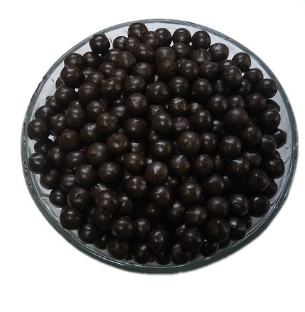
Medohar Guggulu from Riddhish Herbals is a classical Ayurvedic tablet formulation combining purified Guggulu (Commiphora wightii oleo-gum-resin) with Haritaki (Terminalia chebula) and Amalaki (Emblica officinalis). The name Medohar reflects its classical Lekhana (scraping) role in supporting Meda Dhatu (fat-tissue) balance as part of an overall Ayurvedic lifestyle routine, not a standalone weight-loss product. Each pack is genuine, bill-provided material from a doctor-guided store operating since 2015.
About Medohar Guggulu (Classical Guggulu-Triphala Tablet Blend)
Medohar Guggulu is a classical multi-herb tablet formulation built around purified Guggulu, taken within physician-guided Meda Dhatu-balancing routines as part of a wider Ayurvedic lifestyle approach that includes diet and daily routine.
Riddhish Herbals supplies it as a proprietary Guggulu-Triphala tablet blend with a bill on every order. A Vaidya determines the exact amount, form and duration to suit the individual within a physician-guided routine.
Traditional Ayurvedic Importance
Classical texts describe Guggulu as a premier Lekhana (scraping) resin for Meda Dhatu balance, while Haritaki and Amalaki are referenced as Deepaniya (digestive-kindling) and Rasayana (rejuvenative) dravyas respectively — together forming a classical Medohara tablet combination.
This formulation is referenced in classical Ayurvedic practice for Meda Dhatu and Kapha balance as part of a comprehensive lifestyle approach including diet and daily routine, used within physician-guided care rather than as a standalone weight-management product.
Key Features
- Classical Guggulu-Triphala formulation: purified Guggulu (Commiphora wightii oleo-gum-resin) combined with Haritaki (Terminalia chebula) and Amalaki (Emblica officinalis), a traditional Medohara tablet blend.
- Lekhana: classically described as a Meda Dhatu (fat-tissue)-scraping action of Guggulu.
- Medohara: classically referenced for Meda Dhatu balance as part of a Tridosha routine.
- Deepaniya (Haritaki, Amalaki): classically referenced as digestive-kindling support.
- Rasayana (Amalaki): classically referenced as a Tridosha-balancing, rejuvenative dravya.
- Genuine, doctor-guided sourcing: bill provided with every pack; a store trusted since 2015.
Research on the Constituents
◆ Researchers quantified guggulsterone content across natural populations of Commiphora wightii oleo-gum-resin to identify germplasm with higher guggulsterone content — (Kulhari A et al., 2015 — Physiologia Molecular Biology of Plants). PubMed PMID: 25648764
Results were observed under study conditions. Individual results may vary. This is shared for general educational interest and is not a medical claim. Consult your Ayurvedic physician before use.
Composition (multi-herb tablet blend)
| Ingredient | Botanical (part) | Classical Action |
|---|---|---|
| Guggulu (Shuddha) | Commiphora wightii (Arn.) Bhandari (Burseraceae) — purified oleo-gum-resin | Lekhana, Medohara |
| Haritaki | Terminalia chebula Retz. (Combretaceae) — fruit | Deepaniya, Anulomana |
| Amalaki (Amla) | Emblica officinalis Gaertn. (Phyllanthaceae) — fruit | Rasayana, Tridoshahara |
This is a Guggulu-Haritaki-Amalaki tablet blend. Haritaki and Amalaki appear alongside Guggulu, while Bibhitaki (Terminalia bellirica), the third classical Triphala fruit, is not part of this specific formulation. Composition is exactly as declared on the physical label.
How to Use
As directed by a qualified Ayurvedic physician. Classical reference: 2 tablets with warm water, twice daily, or as your Vaidya directs, who sets the exact amount and duration to suit you, within an overall Ayurvedic lifestyle routine that includes diet and daily habits.
Who Can Use It
For use within a qualified Ayurvedic physician's guidance, as part of a wider Meda Dhatu-balancing lifestyle routine. Not recommended during pregnancy without physician guidance. If you are on medication or managing any health condition, seek advice before use. Keep out of reach of children.
Safety Information
Medohar Guggulu is a classical multi-herb tablet blend used within physician-guided Meda Dhatu-balancing routines, as part of an overall Ayurvedic lifestyle approach. It is not a standalone weight-management product. Use it within a qualified Ayurvedic physician’s guidance, particularly in pregnancy, lactation, or if you are on any medication or managing a health condition. Keep out of reach of children. Results may vary from person to person.
Storage
Store in a cool, dry place in an airtight container away from moisture, heat and direct sunlight. Keep the pack tightly closed after each use.
Frequently Asked Questions
What is Medohar Guggulu?
It is a classical multi-herb tablet formulation of purified Guggulu (Commiphora wightii) with Haritaki (Terminalia chebula) and Amalaki (Emblica officinalis), traditionally used within Meda Dhatu-balancing routines.
What does 'Medohar' mean?
Medohar is a Sanskrit term meaning 'that which supports Meda Dhatu (fat-tissue) balance' in classical Ayurvedic physiology — it is a Dhatu-level classical descriptor, not a medical weight-loss claim.
What are the alternate/vernacular names for this blend?
Guggulu is also known as Guggul or Commiphora wightii resin. Haritaki is also called Harad/Harde; Amalaki is also called Amla.
Is the full composition confirmed?
The live listing names Guggulu, Haritaki and Amalaki. The complete formulation and proportions have not yet been independently confirmed against the physical pack label — please refer to your pack for the full ingredient list.
What are its classical properties?
Classical texts describe Guggulu as Lekhana (scraping) and Medohara (Meda Dhatu-balancing), Haritaki as Deepaniya (digestive-kindling), and Amalaki as Rasayana (rejuvenative) and Tridoshahara (Tridosha-balancing).
Is this AYUSH- or GMP-made?
This is a proprietary Ayurvedic blend in Riddhish Herbals’ own pack. Any AYUSH or GMP mark would appear on the physical pack — we state such marks only where verified on the pack.
Is it available at Riddhish Herbals?
Yes — Medohar Guggulu is available at Riddhish Herbals as a genuine, bill-provided classical blend, with doctor-guided selection since 2015.
What is the traditional way to use it?
A classical reference is 2 tablets with warm water, twice daily, as part of an overall Ayurvedic lifestyle routine including diet and daily habits. Your Ayurvedic physician sets the exact amount and duration to suit you.
Has Commiphora wightii been studied scientifically?
Yes — researchers have quantified guggulsterone content across natural populations of Commiphora wightii oleo-gum-resin (Kulhari A et al., 2015, Physiologia Molecular Biology of Plants). This is shared for general educational interest, not as a medical claim.
How should I store Medohar Guggulu?
Keep it in a cool, dry, airtight container away from moisture, heat and sunlight, and close the pack tightly after use.
Related at Riddhish Herbals
Ayurvedic Raw Herbs & Materials · Guggul Akhu (Raw Guggulu Resin) · Shuddh Guggulu · Doctor-Guided Product Selection