
Riddhish Herbals
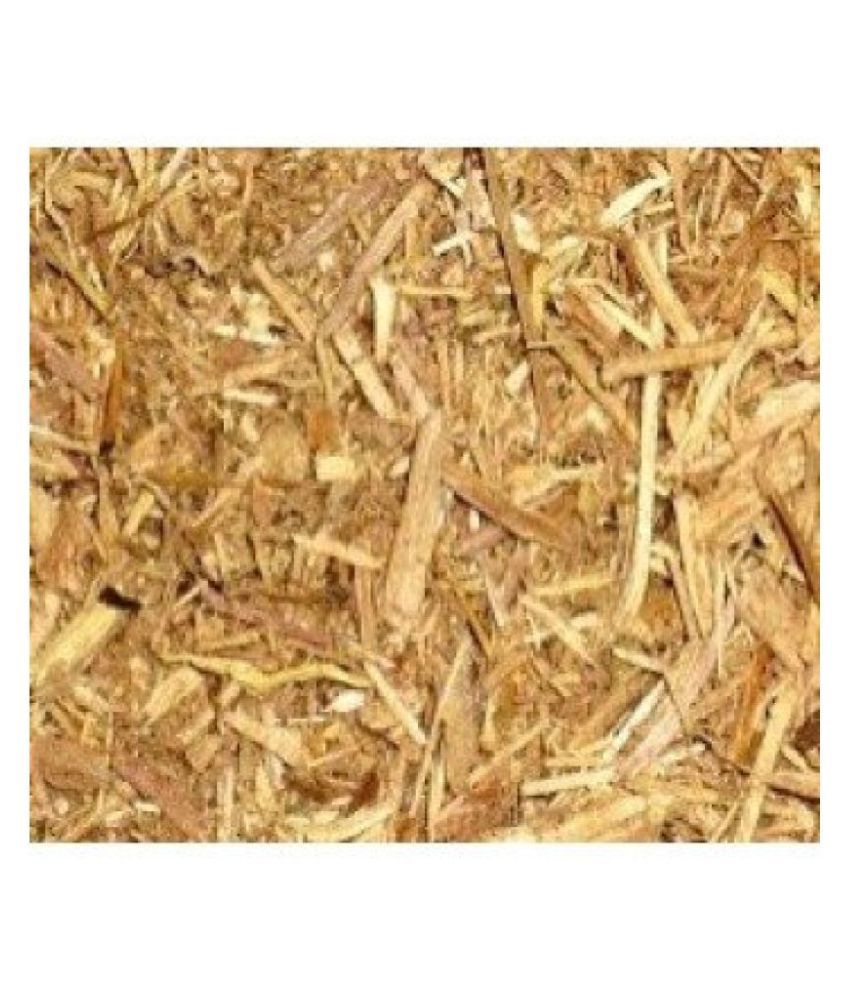
Phaltrikadi Kwath (Triphala Compound) – Ayurvedic Decoction Powder – Riddhish Herbals – 100g
Phaltrikadi Kwath (Triphala Compound) – Ayurvedic Decoction Powder – Riddhish Herbals – 100g
Couldn't load pickup availability
Phaltrikadi Kwath from Riddhish Herbals is a classical Ayurvedic decoction (Kwath) powder built around Phaltrika (Triphala — the three-fruit combination of Haritaki, Bibhitaki and Amalaki) as its core, with additional classical herbs per the traditional '-adi' (and others) naming pattern. Ayurvedic texts describe Triphala as a Tridosha-balancing Rasayana, traditionally used within physician-guided digestive-wellness routines. Each pack is genuine, bill-provided material from a doctor-guided store operating since 2015.
About Phaltrikadi Kwath
Phaltrikadi Kwath is a classical Ayurvedic decoction powder named for its core, Phaltrika (Triphala), combined with additional classical herbs — the Sanskrit suffix '-adi' conventionally signals 'and other [herbs]', a naming pattern used across many classical Kwath formulations whose exact supporting herbs can vary between texts. Riddhish Herbals prepares this Kwath powder for home decoction.
The powder is meant to be boiled into a fresh Kwath (decoction) rather than taken directly — the classical method for extracting the herbs' constituents. Every order comes with a bill, and the formula is used within physician-guided Ayurvedic routines, where a Vaidya sets the exact preparation, strength and duration for the individual.
Traditional Ayurvedic Importance
Classical Ayurvedic Nighantu and formulary literature describe Triphala (Haritaki, Bibhitaki and Amalaki in equal parts) as a Tridosha-Shamaka Rasayana — balancing Vata, Pitta and Kapha together — and Deepaniya (digestive-supportive), used within physician-guided wellness routines.
Modern phytochemical research has also studied Triphala's chemical constituents (see Research & Scientific References below).
Key Features
- Triphala-based classical Kwath: Haritaki, Bibhitaki and Amalaki (equal parts) as the named core, per the traditional Phaltrikadi Kwath pattern.
- Tridosha-balancing Rasayana trio: Triphala is classically described as balancing Vata, Pitta and Kapha together.
- Deepaniya, mild Rechana (laxative): classically described as digestive-supportive with a gentle regulating action.
- Classical decoction (Kwath) form: for physician-directed home preparation.
- Genuine, doctor-guided sourcing: bill provided with every pack; a store trusted since 2015.
Research on the Constituents
◆ Triphala, the three-fruit combination that forms the core of this classical formulation, has been the subject of a review of two decades of published research on its phytochemistry and pharmacological properties — (Baliga MS et al., 2012 — Chinese Journal of Integrative Medicine, 18(12):946–954). PubMed PMID: 23239004
Results were observed under study conditions. Individual results may vary. This is shared for general educational interest and is not a medical claim. Consult your Ayurvedic physician before use.
Ingredients
| Ingredient | Botanical | Role | Proportion |
|---|---|---|---|
| Haritaki | Terminalia chebula Retz. — fruit | Triphala component | Equal part |
| Bibhitaki | Terminalia bellirica (Gaertn.) Roxb. — fruit | Triphala component | Equal part |
| Amalaki | Phyllanthus emblica L. (syn. Emblica officinalis) — fruit | Triphala component | Equal part |
How to Use
As directed by your Ayurvedic physician. Classical reference: boil 1–2 teaspoons of the powder in 2 cups of water, reduce to half, strain, and consume warm, or as your Vaidya advises.
Who Can Use It
For use within a qualified Ayurvedic physician's guidance. Pregnant or lactating women should use only on physician advice. If you are on medication or managing any health condition, seek advice before use. Not intended for children without professional guidance.
Safety Information
Phaltrikadi Kwath is a classical Ayurvedic Triphala-based decoction, used within physician-directed wellness routines. Discontinue and consult your physician if any discomfort occurs. Keep out of reach of children. Results may vary from person to person.
Storage
Store in a cool, dry, airtight container, away from moisture and direct sunlight.
Frequently Asked Questions
What is Phaltrikadi Kwath?
It is a classical Ayurvedic decoction powder built around Phaltrika (Triphala — Haritaki, Bibhitaki and Amalaki) as its core, combined with additional classical herbs per the traditional Phaltrikadi ('-adi') pattern.
What are the alternate/vernacular names for Phaltrikadi Kwath?
It is also called Triphaladi Kwath or Phaltrikadi Kashaya. In Sanskrit it is referenced as Phaltrikadi Kwatha (फलत्रिकादि क्वाथ); in Hindi as Phaltrikadi Kwath (फलत्रिकादि क्वाथ).
Is this a single-herb formula?
No — Phaltrikadi Kwath is a classical multi-herb decoction built around the Triphala trio.
Is this AYUSH- or GMP-made?
We do not display an AYUSH Standard Mark or a GMP/ISO/HACCP certification claim for this product unless it is printed on the physical pack.
How do I know this is the genuine pack?
Riddhish Herbals prepares Phaltrikadi Kwath around the classical Triphala core, with a bill provided on every order and doctor-guided selection since 2015.
Is it available at Riddhish Herbals?
Yes — Phaltrikadi Kwath is available at Riddhish Herbals as a genuine, bill-provided product.
What is the traditional way to prepare it?
Boil 1–2 teaspoons of the powder in 2 cups of water, reduce to half, and strain. Your Ayurvedic physician sets the exact strength and duration to suit you.
Has Triphala been studied scientifically?
Yes — Triphala has been the subject of a review covering two decades of published research on its phytochemistry and pharmacological properties (Baliga MS et al., 2012, Chinese Journal of Integrative Medicine). This is shared for general educational interest, not as a medical claim.
How should I store Phaltrikadi Kwath?
Keep it in a cool, dry, airtight container away from moisture and direct sunlight.
Related at Riddhish Herbals
Ayurvedic Raw Herbs & Materials · Patoladi Kwath (Patola Compound) · Doctor-Guided Product Selection