
Riddhish Herbals
Shukrashodhan Kwath (Classical Vajikarana Decoction) – Riddhish Herbals – 100g
Shukrashodhan Kwath (Classical Vajikarana Decoction) – Riddhish Herbals – 100g
Couldn't load pickup availability
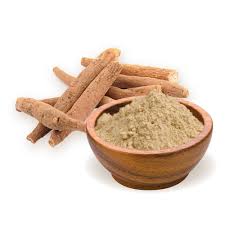
Shukrashodhan Kwath from Riddhish Herbals is a classical Ayurvedic multi-herb decoction (Kwath) powder — its name is drawn from Shukra Shodhana, the classical Sanskrit term for the purification-focused class of Shukra Dhatu (reproductive tissue)-related preparations, distinct from the tissue-forming Shukrajanana class, both described by Acharya Charaka among his fifty classical Mahakashayas in Charaka Samhita, Sutrasthana, Chapter 4. It is positioned within classical Vajikarana principles for use strictly as directed by a qualified Ayurvedic physician. Each pack is genuine, bill-provided material from a doctor-guided store operating since 2015.
About Shukrashodhan Kwath
Kwath (decoction) formulations are among the oldest classical Ayurvedic preparation formats, made by boiling a coarse herb powder in water and reducing it to a concentrated liquid, taken warm as directed by an Ayurvedic physician. The name Shukrashodhan (Shukra + Shodhana, roughly ‘purifying Shukra’) reflects the classical purification-focused context this formulation is traditionally associated with, distinct from tissue-forming (Janana) formulations.
Traditional Ayurvedic Importance
Acharya Charaka, in Charaka Samhita's Sutrasthana, Chapter 4 (the Shadvirechana Shatashritiya Adhyaya), describes fifty classical Mahakashayas — ten-drug groups organised by their traditional physiological action. Among these, classical Ayurvedic literature distinguishes a Shukra Shodhana group (purification-focused) from a separate Shukrajanana group (tissue-forming), reflecting two distinct classical approaches to Shukra Dhatu care. This classical textual distinction is the traditional origin of the name used for formulations of this kind.
Key Features
- Classical multi-herb Kwath powder: a decoction (Kwath) format powder, prepared fresh by boiling, named for its classical Shukra Shodhana purpose.
- Name rooted in classical Dashemani theory: ‘Shukra Shodhana’ is one of Acharya Charaka's fifty classical Mahakashayas (ten-drug groups) described in Sutrasthana, Chapter 4, classically distinguished from Shukrajanana (tissue-forming) groups as a purification-focused group.
- Vajikarana-context formulation: traditionally positioned within classical Vajikarana principles of Ayurveda, which combine nourishing preparations with preparatory purification procedures.
- Genuine, doctor-guided sourcing: bill provided with every pack; a store trusted since 2015.
Research on the Constituents
◆ A published academic review of classical Vajikarana therapy notes that, per classical Ayurvedic texts, Vajikarana-context formulations traditionally combine nourishing preparations with preparatory purification (Shodhana) procedures as part of maintaining the body's foundational tissue systems — (Dileep A, Sreelekshmi S, Vandana Rani M, Delvin T Robin & Meera S, 2021 — International Journal of Ayurveda and Pharma Research, 9(8):57–63). DOI: 10.47070/ijapr.v9i8.1978 · Google Scholar
Results were observed under study conditions. Individual results may vary. This is shared for general educational interest and is not a medical claim. Consult your Ayurvedic physician before use.
How to Use
As directed by a qualified Ayurvedic physician. General classical Kwath preparation: simmer 1–2 teaspoons of the powder in two cups of water, reduce to about half, strain, and take warm. Your Vaidya sets the exact quantity, timing and duration to suit you.
Who Can Use It
For use strictly within a qualified Ayurvedic physician's guidance, as part of a Vajikarana-context wellness routine directed to you specifically. Not intended for self-directed use without physician guidance. If you are on medication or managing any health condition, seek advice before use. Not intended for children.
Safety Information
Shukrashodhan Kwath is a classical Ayurvedic decoction formulation, prepared and used within a physician-directed Vajikarana-context routine. Always confirm the ingredient list on the physical pack, and consult your physician before use. Keep out of reach of children. Results may vary from person to person.
Storage
Store in a cool, dry place in an airtight container away from moisture, heat and direct sunlight. Keep the pack tightly closed after each use.
Frequently Asked Questions
What is Shukrashodhan Kwath?
It is a classical Ayurvedic multi-herb decoction (Kwath) powder, named after Shukra Shodhana, the classical term describing the purification-focused class of Shukra Dhatu-related formulations within Vajikarana principles of Ayurveda.
What does the name Shukra Shodhana refer to classically, and how is it different from Shukrajanana?
Classical Ayurvedic literature describes two distinct approaches to Shukra Dhatu formulations — Shukra Shodhana (purification-focused) and Shukrajanana (tissue-forming), both among Acharya Charaka's fifty classical Mahakashayas in Charaka Samhita, Sutrasthana, Chapter 4. This is the traditional textual origin of the name, though it should not be assumed to be the exact formula in this specific commercial product without physical-label confirmation.
Can I take this without a doctor?
It should be used strictly within a qualified Ayurvedic physician's guidance.
Is this AYUSH- or GMP-made?
We do not display an AYUSH Standard Mark or a GMP/ISO/HACCP certification claim for this product unless it is printed on the physical pack.
How is this different from Riddhish Herbals' Shukrajanan Kwath?
Shukrajanan Kwath is named for the classical tissue-forming (Janana) concept, while this Shukrashodhan Kwath is named for the classical purification-focused (Shodhana) concept — two distinct classical approaches within Vajikarana principles. Each is a separate commercial preparation.
Is it available at Riddhish Herbals?
Yes — Shukrashodhan Kwath is available at Riddhish Herbals as a genuine, bill-provided product, with doctor-guided selection since 2015.
What is the traditional way to prepare and use it?
As a Kwath (decoction), it is traditionally simmered in water, reduced, strained and taken warm, as directed by your Ayurvedic physician, who sets the exact quantity and duration to suit you.
How should I store Shukrashodhan Kwath?
Keep it in a cool, dry, airtight container away from moisture and direct sunlight, and close the pack tightly after use.
Related at Riddhish Herbals
Shukrajanan Kwath (classical Vajikarana-context decoction) · Putrajeevak Beej (classical Vajikarana-context single herb) · Ayurvedic Raw Herbs & Materials · Kwath & Kashaya (Decoctions)