Skip to product information
1 of 1

Riddhish Herbals

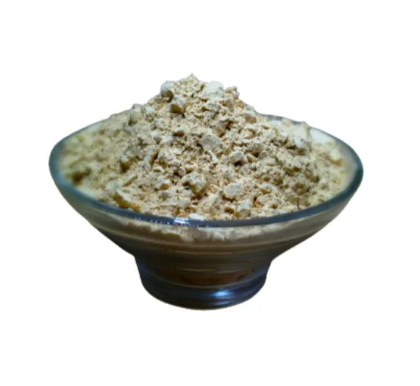
Talisadi Churna (Talisadya) – Classical Ayurvedic Powder – Riddhish Herbals – 100g

Talisadi Churna (Talisadya) – Classical Ayurvedic Powder – Riddhish Herbals – 100g

Regular price Rs. 80.00
Regular price Rs. 80.00 Sale price Rs. 80.00
Sale Sold out

Talisadi Churna from Riddhish Herbals is a classical eight-ingredient Ayurvedic powder built to the Ayurvedic Formulary of India ratio — Talisapatra (Abies webbiana) 1 part, Maricha 2, Shunthi 3, Pippali 4, Vamshalochana 5, Twak ½, Ela ½ and Sharkara 32 — supplied in a 100g pack. It is recorded in Sharangdhara Samhita (Madhyama Khanda 6/130–133) and in Charaka Samhita (Chikitsa Sthana 8/145–148), where it is described for Kasa, Shwasa, Hikka, Chhardi, Aruchi and Agnimandya. Because Sharkara is 32 of the 48 classical parts, roughly two-thirds of this churna by weight is sugar candy — stated here openly. This is classical textual and compositional information, not a medical claim; consult a qualified Ayurvedic physician before use.

About Talisadi Churna

Talisadi Churna is one of the most widely dispensed classical churnas in Indian Ayurvedic practice. Its name comes from Talisapatra, the leaf of Abies webbiana, which leads the formula; 'adi' simply means 'and the rest'.

Eight dravyas go into it. Five of them — Talisapatra, Maricha, Shunthi, Pippali and Vamshalochana — carry the formulation's classical character, with Twak and Ela added in half parts as aromatics, and Sharkara forming the sweet base that makes the powder palatable and easy to take with honey. The proportions are not arbitrary; they follow the pharmacopoeial ratio 1:2:3:4:5:½:½:32 exactly as the classical texts set it down.

A note we would rather make than skip: because Sharkara occupies 32 of those 48 parts, a large majority of this churna by weight is sugar candy. That is authentic to the classical formula, but it is information you deserve upfront, particularly if you are moderating dietary sugar intake.

Traditional Ayurvedic Importance

Sharangdhara Samhita, Madhyama Khanda 6/130–133 records Talisadi Churna with this exact eight-dravya ratio, and Charaka Samhita, Chikitsa Sthana 8/145–148 describes it among the classical preparations indicated for Kasa, Shwasa, Hikka, Chhardi, Aruchi and Agnimandya. These Sanskrit terms are given as the classical texts state them, anchored to their source; they are presented as a record of classical literature, not as a promise of any outcome.

Talisapatra (Abies webbiana) is described in Nighantu literature as Katu-Tikta in Rasa with Ushna Virya, and classically grouped among the Kasahara dravyas. Vamshalochana (Bambusa bambos) — the siliceous concretion formed in bamboo internodes — is by contrast Madhura and Sheeta, and classical commentators note that it balances the warmth of the Katu dravyas around it. That deliberate pairing of warm and cool is a big part of why this particular ratio survived unchanged for centuries.

Maricha (Piper nigrum), Shunthi (Zingiber officinale) and Pippali (Piper longum) together form the Trikatu group, described in classical Dravyaguna as Deepana (appetising) and Pachana (digestive) — standard, lawful classical action words, not disease claims. Twak (Cinnamomum zeylanicum) and Ela (Elettaria cardamomum) are the classical Trijataka aromatics, added here in half parts.

Everything in this section is classical textual record. It is not an indication that Talisadi Churna is intended for any diagnosed condition, and it is not a substitute for professional medical care.

Key Features

  • Classical AFI formulation: built to the Ayurvedic Formulary ratio of Talisapatra 1 : Maricha 2 : Shunthi 3 : Pippali 4 : Vamshalochana 5 : Twak ½ : Ela ½ : Sharkara 32 — the same proportion recorded in Sharangdhara Samhita.
  • Talisapatra-led: the formulation is named for Talisapatra (Abies webbiana), the dravya that gives the churna its identity in classical literature.
  • Vamshalochana included: carries genuine Vamshalochana (bamboo silica, Bambusa bambos), the ingredient most often substituted or reduced in cheaper market preparations.
  • Trikatu-adjacent warmth: Shunthi, Maricha and Pippali together supply the classical Deepana-Pachana character described for this churna in the Nighantu literature.
  • Sweet base disclosed honestly: Sharkara (sugar candy) is 32 of the 48 classical parts — roughly two-thirds of the churna by weight. That is the authentic classical proportion, and we state it plainly rather than hide it; anyone moderating dietary sugar intake should factor this in and speak to their physician.
  • Traditional Kasa-Shwasa group: classically placed among the Kasahara dravya combinations of Ayurvedic literature, described there for Kasa, Shwasa, Hikka, Chhardi, Aruchi and Agnimandya.
  • Genuine, doctor-guided sourcing: bill provided with every pack; a store trusted since 2015, with pan-India delivery.

Research on the Constituents

A peer-reviewed pharmacological study examined crude extract of Talispatra (Abies webbiana) — the lead dravya of this formulation — on isolated animal tissue preparations, reporting relaxant activity on spontaneous contractions together with calcium-antagonist behaviour comparable in pattern to a standard reference compound — (Yasin M, Janbaz KH, Imran I, Gilani AH & Bashir S, 2014 — Phytotherapy Research, 28(8):1182–1187). This was a preclinical, isolated-tissue investigation; human applicability is not established by this research alone, and nothing here is a medical claim for this product. PubMed PMID: 24395464

A published analytical study compared several market samples of Talisadi Churna on physico-chemical and phyto-chemical parameters, and reported measurable variation between samples — a finding that underlines why sourcing and pharmacopoeial ratio matter for this classical formulation — (Kichadi PC, Hiremath RS & Hullatti K, 2019 — International Journal of Ayurveda and Pharma Research, Vol 7 Issue 6). Cited here as a Tier-2 peer-reviewed Ayurvedic journal paper; no PubMed identifier is indexed for it. View the paper at IJAPR

Results were observed under study conditions. Individual results may vary. This is shared for general educational interest and is not a medical claim. Consult your Ayurvedic physician before use.

Ingredients / Composition (classical AFI ratio)

Ingredient (Sanskrit / Botanical) Plant Part Classical Parts Approx. per 100 g
Talisapatra (Abies webbiana) Leaf 1 2.08 g
Maricha (Piper nigrum) Dried fruit 2 4.17 g
Shunthi (Zingiber officinale) Dried rhizome 3 6.25 g
Pippali (Piper longum) Dried fruit 4 8.33 g
Vamshalochana (Bambusa bambos) Tabasheer (siliceous concretion) 5 10.42 g
Twak (Cinnamomum zeylanicum) Stem bark ½ 1.04 g
Ela (Elettaria cardamomum) Seed ½ 1.04 g
Sharkara (sugar candy) 32 66.67 g

Total 48 classical parts. The 'Approx. per 100 g' column is derived arithmetically from the classical ratio, not transcribed from a printed pack — no physical label was verified this session, so quantities are flagged for pack-level confirmation and no standardisation percentage or extract ratio is asserted. Note that Sharkara is 32 of the 48 parts, so roughly two-thirds of this churna by weight is sugar candy; this is the authentic classical proportion and is disclosed deliberately.

How to Use

As directed by your Ayurvedic physician. The classical adult quantity commonly dispensed is about 1–3 g (roughly ¼ to ½ teaspoon), once or twice daily. Anupan (vehicle): honey is the traditional vehicle for this churna; warm water or warm milk are also used, depending on what your physician advises. Duration of use should be set on a physician's advice rather than continued indefinitely.

Who Can Use It

Suitable for most adults when taken in the classical quantity on professional advice. Because Sharkara forms the majority of the formula by weight, anyone moderating dietary sugar intake should discuss this churna with their doctor before starting it. Pregnant and lactating women should consult a qualified Ayurvedic physician before use. Paediatric use is common in classical practice but the quantity must be set individually by a physician, so we do not print a children's dose here. Anyone on regular medication, and anyone with a known sensitivity to pepper, ginger or cardamom, should seek advice first.

Safety Information

Talisadi Churna is a classical Ayurvedic preparation, not a substitute for professional medical care — please seek qualified medical attention directly for any health concern. The formulation is Ushna in character owing to its Katu dravyas, so excessive quantity or prolonged unsupervised use can aggravate Pitta and may cause a burning sensation or acidity in sensitive individuals. Sharkara is roughly two-thirds of the formula by weight, which is a material consideration for anyone advised to moderate dietary sugar intake. Discontinue and consult a physician if any discomfort or sensitivity occurs. Use under the guidance of a qualified Ayurvedic physician if you are pregnant, lactating, taking any medication, or managing any health condition. Keep out of reach of children. Results may vary from person to person.

Storage

Store in a cool, dry place away from direct sunlight, in a tightly closed airtight container. This churna is hygroscopic because of its high Sharkara content and will clump if it meets moisture, so keep damp spoons out of the pack and close it firmly after each use.

Frequently Asked Questions

What is Talisadi Churna?

Talisadi Churna is a classical eight-ingredient Ayurvedic powder made to the Ayurvedic Formulary of India ratio: Talisapatra 1 part, Maricha 2, Shunthi 3, Pippali 4, Vamshalochana 5, Twak half, Ela half and Sharkara 32. It is recorded in Sharangdhara Samhita, Madhyama Khanda 6/130-133. This pack contains 100g.

What are the other names for Talisadi Churna?

It is also written as Talisadya Churna, Talisadi Churan, Talisadi Powder, Talispatradi Churna and Talisadi Chuma. In Hindi and Gujarati it is usually written and spoken exactly as Talisadi Churna. Because this is a compound formulation rather than a single herb, its ingredient dravyas have their own vernacular names: Shunthi is Sonth or Sunth, Maricha is Kali Mirch or Kadu Marich, Pippali is Lindi Pipar or Pipli, Twak is Dalchini or Taj, and Ela is Elaichi.

Why is there so much sugar in it?

Because that is the authentic classical formula. Sharkara is 32 of the 48 parts in the pharmacopoeial ratio, which works out to roughly two-thirds of the churna by weight. It makes the powder palatable and acts as the classical base for the potent Katu dravyas. We state this openly rather than bury it: if you are moderating dietary sugar intake, please discuss this churna with your physician before taking it.

What is Vamshalochana and why does it matter?

Vamshalochana, also called Banslochan or Tabasheer, is the siliceous concretion that forms inside bamboo internodes (Bambusa bambos). It is Madhura and Sheeta in classical characterisation and balances the warm Katu dravyas beside it. Genuine Vamshalochana is expensive and is the ingredient most often substituted in cheaper market preparations, which is one reason a 2019 analytical study found measurable variation between market samples of this churna.

How is this different from Sitopaladi Churna?

They are close relatives, not the same thing. Sitopaladi has five ingredients: Sitopala (sugar), Vamshalochana, Pippali, Twak and Ela. Talisadi has eight, adding Talisapatra, Maricha and Shunthi to that set. Talisadi is therefore the warmer and more Katu of the two, and takes its name from Talisapatra, which Sitopaladi does not contain at all.

Is this product AYUSH or GMP certified?

It is manufactured for Riddhish Herbals in a GMP-, ISO 9001:2015- and HACCP-certified facility (Mfg. Lic. GA/1762). These are facility quality certifications, not product health claims.

Can I take this without consulting a doctor?

We would rather you did not. Talisadi Churna is a classical Ayurvedic medicine, not a food supplement: quantity, anupan and duration are meant to be set individually. Please consult a qualified Ayurvedic physician, particularly if you are pregnant or lactating, taking regular medication, or managing any health condition.

What is the recommended anupan?

Honey is the traditional vehicle for Talisadi Churna. Warm water and warm milk are also used, and the right choice depends on the individual, so follow your physician's direction on it.

Can children take Talisadi Churna?

Paediatric use of this churna is common in classical Ayurvedic practice, but the quantity has to be set individually by a physician according to age and constitution. We deliberately do not print a children's dose on this page for that reason. Please ask a qualified Ayurvedic physician.

Has Talisadi Churna been studied scientifically?

Its lead ingredient has. A 2014 study in Phytotherapy Research examined crude extract of Abies webbiana on isolated animal tissue and reported relaxant and calcium-antagonist activity; this was preclinical work, so human applicability is not established by it alone. A 2019 paper in the International Journal of Ayurveda and Pharma Research compared market samples of Talisadi Churna and found measurable physico-chemical variation between them. These are shared as published literature, not as medical claims, and results may vary from person to person.

How should I store it?

In a cool, dry place away from sunlight, in a tightly closed airtight container. Its high sugar content makes it hygroscopic, so it clumps if it meets moisture. Keep damp spoons out and close the pack firmly.

Is it available at Riddhish Herbals?

Yes - in stock at riddhishherbals.com and at our Gujarat retail stores, with pan-India delivery and a proper bill, doctor-guided selection since 2015.

Related at Riddhish Herbals

Since 2015Genuine ProductsBill ProvidedDoctor-Guided Selection4000+ Ayurvedic Products130+ Trusted BrandsPan-India Delivery
રીધ્ધીશ હર્બલ્સ — ગુજરાતનો વિશ્વાસપાત્ર આયુર્વેદિક સ્ટોર, જ્યાં સાચી સલાહ અને genuine Ayurvedic products એક જ જગ્યાએ મળે છે.
View full details
%}