Riddhish Herbals
Yavakshar Churna (Yavakshara) – Classical Barley Kshara – Riddhish Herbals – 100g
Couldn't load pickup availability
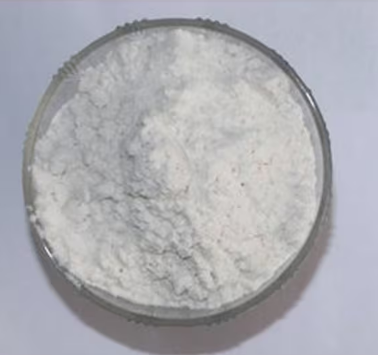
Yavakshar Churna from Riddhish Herbals is Yavakshara — the classical Ayurvedic alkali (Kshara) prepared from the ash of the barley plant, Hordeum vulgare L., family Poaceae — supplied in a 100 g pack. It is a prepared substance rather than a milled herb: the plant material is incinerated in the open, the white ash is macerated in several parts of water, the mixture is filtered repeatedly over some days, and the filtrate is evaporated to a fine alkaline powder. Its alkalinity is reported to come predominantly from potassium carbonate. Classical practice places Kshara among the Bhedana, Chedana and Deepana-Pachana preparations and regards it as a short-course substance rather than a daily one. No household dose is printed on this page: the figure that previously stood here was about ten times the quantity the pharmacological literature gives, and on an alkali that difference matters. Kshara is Ushna (heating) and can irritate the gastric mucosa in excess; it is not for use in pregnancy or lactation without medical advice. Use strictly under the guidance of a qualified Ayurvedic physician.
Reviewed by Dr. Riddhish Padiya — B.Pharm (Ayurveda), M.Pharm (Pharmacognosy), Ph.D. (Dravyaguna), ITRA Jamnagar. Publications under “Padiya RH”.
About Yavakshar Churna
Yavakshara is not a powdered herb, and reading it as one is the commonest mistake made about it. It is a Kshara — an alkali — and the barley plant is the raw material from which the alkali is extracted rather than the substance you are taking.
The preparation, as the Kshara Kalpana literature describes it, runs in five steps. The plant material is collected, cleaned and dried, then burnt completely in the open until only white ash remains. That ash is macerated in several parts of water. The mixture is allowed to settle and is filtered, repeatedly, over three or four days. The clear filtrate is then evaporated until a fine white alkaline powder is left. What you have at the end is chemically a long way from barley.
Its alkalinity is reported to come predominantly from potassium carbonate, with smaller quantities of sodium carbonate and trace minerals. We say reported rather than stated because we hold no assay for this batch, and a Kshara's composition depends on how thoroughly the leaching was done.
Classical practice groups the Kshara preparations under Bhedana, Chedana and Deepana-Pachana, and handles them as short-course substances. That is not a modern safety-first gloss; an alkali is simply not a thing the texts handle casually, and neither do we.
The dose problem on this page, stated plainly
The version of this listing that stood until today gave a household quantity of one to two grams, a quarter to a half teaspoon, once or twice daily.
The pharmacological literature for this preparation gives a typical internal quantity of roughly 125 to 250 milligrams, twice daily after food. That is around a tenth of what this page was telling people, and the documented adverse effect of taking too much of a Kshara is mucosal irritation and burning.
We are not going to resolve that discrepancy by picking whichever number seems safer and printing it as fact. No household dose appears on this page. Ask your Ayurvedic physician for the quantity, the anupan and — particularly with a Kshara — the duration. If you have been taking this on the basis of the old figure, that is worth mentioning to them.
We would rather show you this correction than quietly delete a number and say nothing.
What is declared, and what is not
Declared: the preparation (Yavakshara), its botanical source (barley, Hordeum vulgare L.) and the net quantity, 100 g.
Not declared: which part of the barley plant was incinerated, the alkalinity or pH of the finished kshara, and any assay of its carbonate content. Sources genuinely disagree on the first — some describe the whole plant, some the husk specifically — and we have not resolved it by choosing.
For a Kshara, the pH is the specification that would actually mean something, and no pack in this range carries it. We name the gap rather than let its absence read as reassurance.
The listing is tagged for pack-level confirmation. Ask us before ordering if any of this matters for your use.
Key Features
- A Kshara, not a churna of a herb: Yavakshara is an alkali obtained by incinerating the barley plant and leaching the ash in water, then evaporating the filtrate. It is a prepared substance, and it behaves like one.
- Chiefly potassium carbonate: the alkalinity that does the work in a Kshara is reported to come predominantly from potassium carbonate, with smaller amounts of sodium carbonate and trace minerals. We say “reported” deliberately — we hold no assay for this batch.
- No household dose on this page, and we explain why: the figure that stood here previously was roughly ten times what the pharmacological literature gives as a typical internal quantity. For an alkali, that is not a rounding difference.
- No classical chapter and verse: we could not reach a primary text or the Ayurvedic Formulary of India to confirm the references that circulate for this preparation, so we print none. The preparation method below is described as the Kshara Kalpana literature describes it.
- No Regional Names block: this is a prepared kshara rather than a plant, and the barley vernaculars could not be verified in native script in any language. Alternate names are in the FAQ instead.
- A short-course preparation: Kshara is Ushna and irritant in excess. It is not a preparation to continue indefinitely without your physician's direction.
- Genuine, doctor-guided sourcing: bill provided with every pack; a store trusted since 2015, with pan-India delivery.
Research on the Constituents
◆ We are not attributing a finding to anyone on this page, and here is why. There is published work on Kshara preparations, and one peer-reviewed study specifically on a Yavakshara-based preparation exists and is indexed on PubMed. We have read what it covers, and its clinical subject sits inside a category we do not write about on product pages under Indian advertising law. Quoting it here in any framing would be using a real citation to gesture at a claim we are not permitted to make, so we have left it off. No study finding is asserted on this page and nothing is attributed to any authors. We point you to the literature directly instead: Google Scholar — Yavakshara and Kshara Kalpana. An unverified or misapplied citation is worse than none. Individual results may vary. Consult your Ayurvedic physician before use.
Results were observed under study conditions. Individual results may vary. This is shared for general educational interest and is not a medical claim. Consult your Ayurvedic physician before use.
Composition (label-verified)
| Ingredient | Botanical | Part | Quantity |
|---|---|---|---|
| Yavakshara — classical Ayurvedic alkali (Kshara) | Prepared from the ash of barley, Hordeum vulgare L., family Poaceae | Plant material incinerated and the ash leached; part not specified on pack | 100 g net; reported to be predominantly potassium carbonate — no assay held |
A prepared classical alkali, not a milled herb. The part of the barley plant incinerated is not stated on the pack, and sources disagree on it — some describe the whole plant, some the husk — so it is not asserted here. The carbonate content, the alkalinity and the pH of this batch are not declared and no assay is held; the predominance of potassium carbonate is reported in the literature rather than measured by us. No standardisation percentage is claimed. Because this is a preparation and not a single plant material, this listing carries no Regional Names block by design — alternate names are in the FAQ. Tagged for pack-level confirmation.
How to Use
Strictly as directed by your Ayurvedic physician, and with a Kshara that instruction carries more weight than usual. Classical practice takes Kshara after food rather than before, in a small quantity, with a suitable anupan, and for a defined short course rather than open-endedly. We have deliberately printed no household quantity — see the section above on why. Ask your physician for the amount, the vehicle and the duration, and go back to them before repeating a course. This preparation is not appropriate for children except on the direction of a qualified Ayurvedic physician.
Who Can Use It
For adults, on professional direction, and not as a daily habit. Not for use during pregnancy or lactation without medical advice — Kshara is Ushna (heating) in classical character and the texts are cautious about it in both. Not suitable if you have an active gastric problem: classical and modern sources both caution against Kshara in peptic ulceration, active gastritis, high-Pitta states and bleeding tendencies, because an alkali taken in excess irritates the mucosa. Children only on physician direction. Anyone managing a diagnosed condition, or taking regular medication, should speak to their doctor before taking this and should continue the care their doctor has advised. If you are already taking antacids or acid-suppressing medicines, mention this preparation to your doctor, because it is itself an alkali.
Safety Information
Yavakshar Churna is a classical Ayurvedic alkali and is not a substitute for professional medical care — please seek qualified medical attention directly for any health concern. This is a Kshara. It is not a mild herbal powder and should not be taken as one. The documented adverse effect of excess is irritation of the gastric and oral mucosa, with burning and dryness. No household dose is printed on this page by design: the figure that previously stood here was around ten times the quantity the pharmacological literature gives as typical, and we would rather disclose that discrepancy than resolve it by guessing. Take only the amount and the duration your physician specifies. Not for use in pregnancy or lactation without medical advice. Avoid in peptic ulceration, active gastritis, high-Pitta states and bleeding tendencies. Not for prolonged self-directed use; Kshara is a short-course substance in classical practice. Children only on physician direction. If you take antacids or acid-suppressing medication, tell your doctor about this preparation. Discontinue and consult a physician if any burning, discomfort or dryness occurs. Keep out of reach of children. Results may vary from person to person.
Storage
Store in a cool, dry place away from direct sunlight, in a tightly closed airtight container. An alkaline carbonate powder is strongly hygroscopic — more so than any herb powder — and will draw water out of humid air, cake hard, and lose potency as it does. Keep the pack sealed, keep damp spoons out of it entirely, and do not decant it into a container that has held anything moist or acidic. If the powder has set solid or turned sticky, do not use it.
Frequently Asked Questions
What is Yavakshar Churna?
It is Yavakshara: the classical Ayurvedic alkali prepared from the ash of the barley plant, Hordeum vulgare L., supplied in a 100 g pack. It is a prepared substance rather than a powdered herb — the plant material is burnt, the ash leached in water, the filtrate evaporated to a fine alkaline powder.
Is this just powdered barley?
No, and the difference is not a technicality. Powdered barley is a grain flour. Yavakshara is what remains after the plant has been incinerated and the resulting ash leached and evaporated — chemically an alkali, reported to be predominantly potassium carbonate. The two are not interchangeable in any sense.
How much should I take?
Ask your Ayurvedic physician, and we will not print a number here. The figure that stood on this page previously — one to two grams — is roughly ten times the typical internal quantity given in the pharmacological literature, which is about 125 to 250 mg twice daily after food. On an alkali whose documented adverse effect is mucosal irritation, that gap is not something to split the difference on. If you have been using the old figure, mention it to your physician.
Why does this page not cite a classical chapter and verse?
Because we could not verify one. References for Yavakshara do circulate — Charaka Sutrasthana 27 and Sushruta Uttaratantra 42 are the ones most often quoted — but they reach us through secondary aggregators, and we could not reach a primary text or the Ayurvedic Formulary of India to confirm them while preparing this page. A citation you cannot check is worth less than an honest gap, so we describe the preparation as the Kshara Kalpana literature describes it and cite no verse.
Why is there no Regional Names table on this page?
Two reasons. First, this is a prepared alkali rather than a single plant material, and our own rule is that Regional Names belong on single-material listings only. Second, we could not verify a barley vernacular in native script in any of the nine languages, and sources disagreed on the words themselves — the Gujarati is given variously as Jau and as Cheno, the Malayalam as Barli, Yavam and Javegambu. We would rather have no table than a wrong one.
What are the alternate names and spellings?
Yavakshara, Yava Kshara, Yavakshar, Yav Kshar and Java Kshara are all the same preparation. Yava is the Sanskrit for barley — the same root as the English word in Yavakut, meaning coarsely ground like barley grain. In English it is described as barley-ash alkali or barley kshara. Because native-script vernaculars for barley could not be verified, we have not printed them; ask us if you need the name in a particular language and we will find out properly rather than guess.
Can I take it during pregnancy?
Not without medical advice. Kshara preparations are Ushna — heating — in classical character, and classical practice is cautious about them in pregnancy and lactation for that reason. Ask your physician.
Is it safe if I have acidity or an ulcer?
Speak to your doctor first, and do not start it on your own. Classical and modern sources both caution against Kshara in peptic ulceration, active gastritis and high-Pitta states, because an alkali in excess irritates the mucosa. If you take antacids or acid-suppressing medication, mention this preparation to your doctor, since it is itself an alkali.
Can I take this without a doctor?
No, and this is one of the products where we would rather say so bluntly. It is an alkali, the correct quantity is small and disputed on the open internet, and it is a short-course substance in classical practice rather than a daily supplement. Ask a qualified Ayurvedic physician. Doctor-guided selection is what our store is for.
Has Yavakshara been studied scientifically?
There is published work on Kshara preparations, and one peer-reviewed study on a Yavakshara-based preparation is indexed on PubMed. Its clinical subject falls inside a category we do not write about on product pages under Indian advertising law, so we have deliberately left it off rather than quote a real citation to gesture at a claim we cannot make. No finding is asserted on this page and nothing is attributed to any authors. We link to the literature search instead. Individual results may vary.
How should I store it?
In a cool, dry place away from sunlight, in a tightly closed airtight container. This is the most hygroscopic product in our raw-materials range — an alkaline carbonate draws water straight out of humid air, cakes hard and loses potency. Keep damp spoons out entirely. If it has set solid or turned sticky, do not use it.
Is this AYUSH or GMP certified?
This pack is supplied under Riddhish Herbals' own label. Any AYUSH Standard Mark or GMP mark would appear on the physical pack, and we state such marks only where they are verified on the pack itself. We do not add Organic or ISO product claims unless they are documented on the label.
Is it available at Riddhish Herbals?
Yes — Yavakshar Churna is in stock at riddhishherbals.com and at our Gujarat retail stores, with pan-India delivery and a proper bill, doctor-guided selection since 2015.
Related at Riddhish Herbals
Vavding Churna 100gm — a classical single-herb churna · Vidarikand Churna 100gm — a classical single-material tuber powder · Sunth Yavkut 100gm — coarse-cut dried ginger, the Yavakut grade · Apamarg Kshara — another classical Kshara preparation · Ayurvedic Raw Herbs & Materials
Share