
Riddhish Herbals
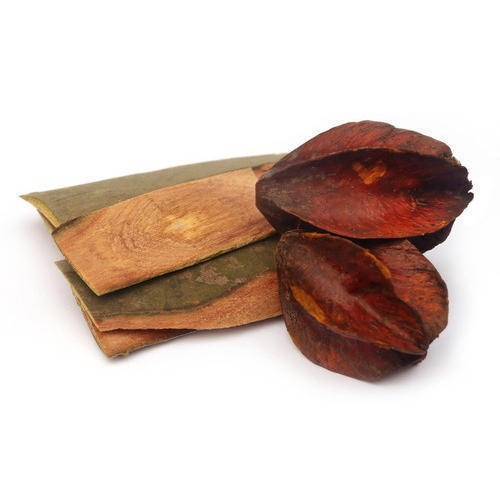
Arjun Chhal Akha (Arjuna Bark / Sadado) – Terminalia arjuna – Riddhish Herbals – 100g
Arjun Chhal Akha (Arjuna Bark / Sadado) – Terminalia arjuna – Riddhish Herbals – 100g
Couldn't load pickup availability
Arjun Chhal Akha from Riddhish Herbals is the stem bark of Terminalia arjuna (Arjuna) — known as Arjun in Hindi and Sadado in Gujarat. Arjuna is one of Ayurveda's most revered classical Hridya dravyas, listed in Charaka's Hridya Mahakashaya (the classical group of herbs valued for the heart), and is described as Kashaya (astringent) and Sheeta (cooling). It is traditionally taken as a bark decoction. A published study characterised the polyphenols of the bark. Each pack is genuine, bill-provided material from a doctor-guided store operating since 2015.
About Arjun Chhal Akha (Arjuna Bark)
Arjun Chhal is the thick, pale stem bark of Terminalia arjuna, a large riverbank tree of the Indian plains. In Hindi it is Arjun; in Gujarat it is Sadado. ‘Chhal’ means bark and ‘Akha’ means whole, so this is the whole dried bark, ready to decoct or grind.
Riddhish Herbals supplies Arjuna bark as a single-material raw ingredient, sourced under our doctor-guided selection standard with a bill on every order. It is not the same as Sal (Shorea robusta), a different tree with which it is sometimes confused.
Traditional Ayurvedic Importance
Arjuna holds a place of honour in the classical materia medica: Charaka includes it in the Hridya Mahakashaya, the ten-herb group classically valued for the heart, and later Nighantus describe it as Kashaya (astringent), Sheeta (cooling) and tridosha-balancing, especially settling Pitta and Kapha.
Across the classical texts Arjuna bark is prepared as a kwath (decoction) or as Arjuna Ksheerapaka, a milk decoction, and it appears in classical formulations such as Arjunarishta. This long, documented classical record is why it remains among the most respected barks in Ayurveda.
Key Features
- Pure Arjuna stem bark: single-material Terminalia arjuna bark (Arjun Chhal / Sadado), nothing added.
- Classical Hridya dravya: classically listed in Charaka's Hridya Mahakashaya — the group of herbs traditionally valued for the heart in Ayurveda.
- Kashaya (astringent), Sheeta (cooling): its astringent-bitter, cooling nature is central to its classical character.
- Traditional preparation: classically taken as a bark decoction (Arjuna kwath) or Ksheerapaka (milk decoction).
- A revered Ayurvedic bark: among the most cited barks in the classical materia medica.
- Genuine, doctor-guided sourcing: bill provided with every pack; a store trusted since 2015.
Research on the Constituents
◆ A published analytical study characterised the polyphenols (flavonoids and tannins) present in Terminalia arjuna bark extract — (Saha A et al., 2012 — Indian Journal of Pharmaceutical Sciences, 74(4):339–347). PubMed PMID: 23626389
Results were observed under study conditions. Individual results may vary. This is shared for general educational interest and is not a medical claim. Consult your Ayurvedic physician before use.
Ingredients (single-material, label-verified)
| Ingredient | Botanical (part) | Plant Part | Proportion |
|---|---|---|---|
| Arjun / Arjuna (bark) | Terminalia arjuna | Stem bark (Chhal) | 100% single material |
Single-material whole Arjuna stem bark. No fillers, colours or preservatives added. Being a natural bark, colour varies a little by harvest.
How to Use
As directed by your Ayurvedic physician. Arjuna bark is traditionally prepared as a kwath (decoction) — simmered in water and reduced — or as Arjuna Ksheerapaka, simmered in milk and water. The right quantity and anupan are matched to your Prakriti and Agni by a qualified Vaidya.
Who Can Use It
Suitable for many adults as part of a traditional Ayurvedic routine, on the advice of a qualified Ayurvedic physician. If you are pregnant, lactating, on any medication, or managing any health condition — particularly of the heart — consult your physician before use. Children should use only as advised by a physician.
Safety Information
Arjuna bark is a well-documented classical dravya. Because it is traditionally associated with the heart, anyone with a heart-related condition or on regular medication should use it only after consulting their physician, so it fits safely alongside their care. If you are pregnant, lactating, or managing any health condition, consult your physician before use. Results may vary from person to person.
Storage
Store the dried bark in a cool, dry place in an airtight container away from moisture and direct sunlight.
Frequently Asked Questions
What is Arjun Chhal Akha?
It is the whole dried stem bark of Terminalia arjuna (Arjuna) — called Arjun in Hindi and Sadado in Gujarat. ‘Chhal’ means bark and ‘Akha’ means whole.
What are the alternate names of Arjuna?
It is called Arjun / Kahua (Hindi), Sadado (Gujarati), Arjuna / Kakubha (Sanskrit), Marudam / Neermarudhu (Tamil), Maddi (Telugu), Matti (Kannada) and Nirmarutu (Malayalam); botanically Terminalia arjuna.
Is Arjuna the same as Sal bark?
No. Arjuna is Terminalia arjuna; Sal is Shorea robusta, a different tree. They are sometimes confused, but this product is genuine Arjuna bark.
What does Hridya mean?
Hridya is a classical Ayurvedic term for herbs traditionally valued for the heart. Arjuna is listed in Charaka's Hridya Mahakashaya. This is a classical description, not a modern medical claim.
How is Arjuna bark traditionally prepared?
It is classically made into a kwath (water decoction) or Arjuna Ksheerapaka (a milk decoction), as advised by your Ayurvedic physician.
Is this AYUSH- or GMP-certified?
Riddhish Herbals supplies this as a genuine, doctor-guided raw material with a bill on every order. We state AYUSH or GMP certification only where it is verified on the specific pack.
How should I store Arjun Chhal Akha?
Keep the dried bark in an airtight container in a cool, dry place away from moisture and sunlight.
Has Terminalia arjuna been studied scientifically?
Yes — a published study characterised the polyphenols of Arjuna bark. This is shared for general educational interest, not as a medical claim.
Should I consult a doctor before using Arjuna?
Yes, especially if you have a heart-related condition or take any medication — use Arjuna only on the advice of your physician so it fits safely with your care.
Regional Names & Spelling Variants
| Language | Name |
|---|---|
| Local / common | Arjun (Hindi) / Sadado (Gujarat) (અર્જુન / સાદડો) |
| Sanskrit | Arjuna / Kakubha / Dhavala (अर्जुन / ककुभ) |
| Hindi | Arjun / Kahua (अर्जुन / कहुआ) |
| Gujarati | Sadado / Arjun (સાદડો / અર્જુન) |
| Marathi | Arjun / Sadada (अर्जुन / सादडा) |
| Bengali | Arjun (অর্জুন) |
| Tamil | Marudam / Neermarudhu (மருதம் / நீர்மருது) |
| Telugu | Maddi / Tella maddi (మద్ది) |
| Kannada | Maddi / Matti (ಮತ್ತಿ) |
| Malayalam | Nirmarutu / Vellamarutu (നീര്മരുത് / വെള്ളമരുത്) |
| English + Botanical | Arjuna / Arjun tree — Terminalia arjuna — stem bark |
| Search variants | arjun chhal, arjun chaal, arjuna bark, arjun ki chaal, sadado, terminalia arjuna, marudam, maddi |
| Common misspellings | arjun chal, arjuna chhal, arjun chhaal, terminalia arjun, arjuna barka |
Related at Riddhish Herbals
Arjun Ghanvati (Arjuna tablets) · Amla Akha (Whole Amla) · Ayurvedic Raw Herbs & Materials · Doctor-Guided Product Selection