
Riddhish Herbals
Isabgol Husk (Psyllium / Ispaghula) – Plantago ovata – Riddhish Herbals – 100g
Isabgol Husk (Psyllium / Ispaghula) – Plantago ovata – Riddhish Herbals – 100g
Couldn't load pickup availability
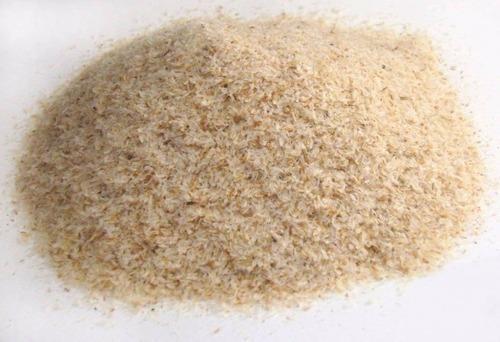
Isabgol Husk from Riddhish Herbals is pure psyllium husk — the seed husk (bhusi) of Plantago ovata (ispaghula), one of the richest natural sources of soluble dietary fibre. When stirred into water it swells into a soft gel that adds gentle bulk to the stool, and in Ayurveda it is valued as a gentle Anulomana (bulk-forming, bowel-regularising) food. It is always taken with a full glass of water, never dry. Each pack is genuine, bill-provided material from a doctor-guided store operating since 2015.
About Isabgol Husk (Psyllium Husk)
Isabgol — psyllium or ispaghula husk, the seed husk of Plantago ovata — is among the most trusted natural dietary fibres in both Ayurvedic practice and modern nutrition. The husk is the pale, flaky outer layer of the tiny seed, prized for the soft mucilaginous gel it forms in water.
Riddhish Herbals supplies it as clean single-material Isabgol husk under our doctor-guided selection standard, with a bill on every order. It is stirred into water or added to foods as a daily source of gentle, bulk-forming fibre.
Traditional Ayurvedic Importance
Ayurveda classes Isabgol as Madhura-Kashaya in Rasa, Snigdha and Picchila (unctuous, mucilaginous) in Guna, Sheeta in Virya and Madhura in Vipaka, with a gentle Anulomana (bulk-forming, bowel-regularising) character. Its soothing, gel-forming nature is why it has long been used as a mild, food-like support for comfortable daily bowel movement.
Because its whole action depends on soaking up water, Isabgol is always taken with plenty of fluid. Used sensibly as a fibre food it suits most people; the amount can be adjusted to comfort or to a physician’s advice.
Key Features
- Pure psyllium husk (Isabgol bhusi): the seed husk of Plantago ovata — one of the richest natural sources of soluble dietary fibre.
- Gel-forming soluble fibre: the husk absorbs water and swells into a soft gel, giving gentle bulk to the stool.
- Classical Anulomana: traditionally used as a gentle bulk-forming, bowel-regularising food.
- Naturally gluten-free: suitable for most everyday dietary preferences.
- Always taken with water: stirred into a full glass and drunk at once, followed by more water.
- Genuine, doctor-guided sourcing: bill provided with every pack; a store trusted since 2015.
Research on the Constituents
◆ Researchers characterised the gel-forming polysaccharide (mucilage) of psyllium husk, Plantago ovata — (Fischer MH et al., 2004 — Carbohydrate Research). PubMed PMID: 15261594
Results were observed under study conditions. Individual results may vary. This is shared for general educational interest and is not a medical claim. Consult your Ayurvedic physician before use.
Ingredients (single-material)
| Ingredient | Botanical (part) | Plant Part | Proportion |
|---|---|---|---|
| Isabgol Husk (psyllium husk) | Plantago ovata Forssk. (syn. P. ispaghula; Plantaginaceae) | Seed husk (bhusi / epidermis) | 100% single material |
Single-material pure psyllium husk (Plantago ovata, Isabgol). No fillers, colours, flavours or preservatives added. This is the seed husk (bhusi), not the whole seed and not a flavoured powder. Confirm details against the physical pack label.
How to Use
Stir 1–2 teaspoons (about 5–10 g) into a full glass of warm or plain water and drink immediately, before it thickens, then follow with another glass of water. Take once or twice a day, or as directed by your physician. It may also be stirred into curd, milk or porridge — always with enough liquid.
Who Can Use It
Suitable for general daily use by adults and families as a fibre food, always taken with plenty of water. Anyone with difficulty swallowing, or with a suspected intestinal narrowing or blockage, should not take it without medical advice. In pregnancy, lactation, or if you are on regular medication, keep to normal food amounts and seek advice.
Safety Information
Isabgol husk must always be taken with a full glass of water and never swallowed dry, as dry husk can swell and cause choking or throat blockage. Do not use it if you have a suspected intestinal obstruction or difficulty swallowing without medical advice. Take it a little apart from other medicines, since fibre can slow their absorption. Consult your physician if digestive symptoms persist. Keep out of reach of children. Results may vary from person to person.
Storage
Store in a cool, dry place in an airtight container away from moisture and direct sunlight — the husk readily takes up moisture. Keep the pack tightly closed after each use.
Frequently Asked Questions
What is Isabgol Husk?
It is pure psyllium husk — the seed husk (bhusi) of Plantago ovata (ispaghula), one of the richest natural sources of soluble dietary fibre. In water it swells into a soft gel that adds gentle bulk to the stool.
How do I take Isabgol Husk?
Stir 1–2 teaspoons into a full glass of water and drink it immediately before it thickens, then follow with more water. Take once or twice daily, or as your physician advises. Always take it with plenty of fluid, never dry.
What are the alternate names of Isabgol?
Isabgol or Isabgul (Hindi, Gujarati), Isabgol (Marathi, Bengali), and psyllium or ispaghula husk in English. Botanically it is Plantago ovata (blond psyllium). ‘Isabgol’ is a Persian-derived name.
Is Isabgol Husk gluten-free?
Yes — psyllium husk is naturally gluten-free, which makes it suitable for most everyday dietary preferences. Confirm any specific dietary certification on the physical pack.
What is the difference between the husk and the flavoured powder?
This is the plain seed husk (bhusi). Our Isabgul Husk Powder (Orange Flavour) is the same psyllium husk milled and given a no-added-sugar orange taste for an easier daily drink.
Is this AYUSH- or GMP-made?
This is a raw single-material fibre food in Riddhish Herbals’ own pack. Any AYUSH or GMP mark would appear on the physical pack — we state such marks only where verified on the pack.
Can I take it every day?
Yes — Isabgol is a food-like dietary fibre commonly taken daily, always with enough water. If you have a health condition or take regular medication, check with your physician on timing and amount.
Has Plantago ovata been studied scientifically?
Yes — researchers have characterised the gel-forming polysaccharide (mucilage) of psyllium husk, Plantago ovata (Fischer MH et al., 2004, Carbohydrate Research). This is shared for general educational interest, not as a medical claim.
How should I store Isabgol Husk?
Keep it in a cool, dry, airtight container away from moisture and sunlight, and close the pack tightly after use, as the husk readily absorbs moisture.
Regional Names & Spelling Variants
| Language | Name |
|---|---|
| Local / common | Isabgol / Isabgul (ઇસબગુલ) |
| Sanskrit | Ashwakarnabeeja, Snigdhajiraka (romanised; Isabgol is a Persian-derived name) |
| Hindi | Isabgol, Isabgul (इसबगोल) |
| Gujarati | Isabgul (ઇસબગુલ) |
| Marathi | Isabgol (इसबगोल) |
| Bengali | Isabgul (ইসবগুল) |
| Tamil | Isabgol, Iskol (romanised) |
| Telugu | Isabgol, Isapgalu (romanised) |
| Kannada | Isabgolu (romanised) |
| Malayalam | Isapgol (romanised) |
| English + Botanical | Psyllium / Ispaghula / Blond Psyllium husk — Plantago ovata Forssk. (Plantaginaceae) — seed husk |
| Search variants | isabgol husk, isabgul, isabgol bhusi, psyllium husk, ispaghula husk, plantago ovata, sat isabgol, isabgol fibre, blond psyllium |
| Common misspellings | isabgul husk, isafgol, esabgol, isapgol, isabgol husk powder, psylium husk, plantago ovata husk |
Related at Riddhish Herbals
Isabgul Husk Powder (Orange Flavour) — same psyllium, orange drink · Sonamukhi (Senna) Powder · Kallis Churna · Isabgol / Psyllium — ingredient guide · Sonamukhi vs Triphala, Isabgol & Erand (blog) · Ayurvedic Raw Herbs & Materials · Doctor-Guided Product Selection
Read more on the Riddhish Herbals blog