
Riddhish Herbals
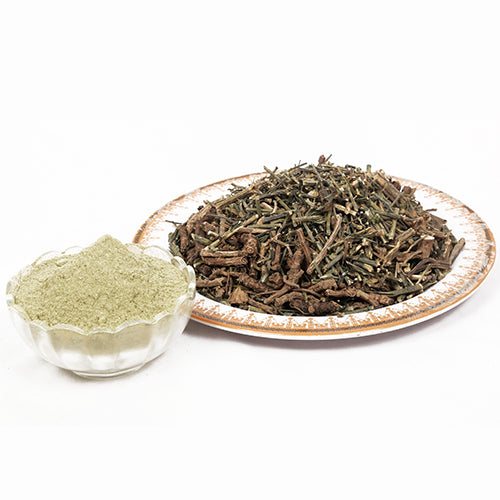
Kadu Kariyatu Kwath (Kutki + Chirata Bitter Decoction) – Riddhish Herbals – 100g
Kadu Kariyatu Kwath (Kutki + Chirata Bitter Decoction) – Riddhish Herbals – 100g
Couldn't load pickup availability
Kadu Kariyatu Kwath from Riddhish Herbals is a classical two-herb Ayurvedic bitter decoction blend of Kadu / Kutki (Picrorhiza kurroa) and Kariyatu / Chirata (Swertia chirata). Both are premier Tikta (bitter) Rasayana herbs, classically Tikta in Rasa and Sheeta in Virya, and described as Deepana (digestion-kindling), Pachana (digestive), Raktaprasadana (blood-clearing) and Kapha-Pitta-shamaka. It is prepared as a Kwath (decoction) and, being very bitter and potent, is used in small amounts under a physician. Each pack is genuine, bill-provided material from a doctor-guided store operating since 2015.
About Kadu Kariyatu Kwath
Kadu Kariyatu Kwath is a classical Ayurvedic bitter-decoction blend that brings together two of Ayurveda’s most intensely bitter herbs: Kadu (Kutki, Picrorhiza kurroa) — a precious high-altitude Himalayan rhizome — and Kariyatu (Chirata / Chirayata, Swertia chirata), a classical Tikta Rasayana. Both are prized in classical texts as Tikta (bitter) dravyas that kindle Agni and clear Ama.
Riddhish Herbals supplies this as a clean two-herb Kwath blend under our doctor-guided selection standard, with a bill on every order. It is simmered into a decoction; because both herbs are so bitter and potent, it is used in small amounts and the exact preparation and dose are chosen by a Vaidya.
Kadu kariyatu is two herbs, not one — in Gujarati kadu simply means bitter. Our guide explains what Kutki and Chirata each are, how they differ in origin and price, how to make the kwath, and what to check before buying.
Traditional Ayurvedic Importance
In classical Ayurveda both Kutki (Katuka) and Chirata (Kirata-tikta) are counted among the premier Tikta Rasayana dravyas — Tikta in Rasa, Laghu and Ruksha in Guna and Sheeta in Virya — with Deepana (digestion-kindling), Pachana (digestive), Raktaprasadana (blood-clearing) and Kapha-Pitta-shamaka character. They are classically counted among the Yakrit-supportive bitters of Ayurvedic tradition.
Because both herbs are so intensely bitter and potent, the Kwath is always used in small amounts and within a physician-guided routine. The pairing of two classical bitters is a long-standing traditional way of presenting Tikta dravyas together as a decoction.
Key Features
- Two-herb classical bitter Kwath: a decoction blend of Kadu / Kutki (Picrorhiza kurroa) and Kariyatu / Chirata (Swertia chirata).
- Two premier Tikta Rasayanas: both are among the most intensely bitter classical Ayurvedic dravyas.
- Classical Deepana & Pachana: traditionally valued as digestion-kindling, Ama-clearing bitters.
- Raktaprasadana & Kapha-Pitta shamaka: classically described as blood-clearing and Kapha-Pitta balancing.
- Made as a Kwath: simmered into a decoction; very bitter, used in small amounts under a physician.
- Genuine sourcing: bill provided with every pack; a store trusted since 2015.
Research on the Constituents
◆ Researchers carried out a comprehensive chemical profiling of Kutki, Picrorhiza kurroa, using NMR, HPTLC and LC-MS/MS techniques — (Kumar D et al., 2016 — Combinatorial Chemistry & High Throughput Screening). PubMed PMID: 26777484
◆ Researchers used high-resolution mass spectrometry to map the major chemical constituents of Chirata, Swertia chirayita — (Kumar V et al., 2015 — Natural Product Research). PubMed PMID: 25622657
Results were observed under study conditions. Individual results may vary. This is shared for general educational interest and is not a medical claim. Consult your Ayurvedic physician before use.
Ingredients (two-herb Kwath blend, label-verified)
| Ingredient | Botanical | Plant Part | Classical role |
|---|---|---|---|
| Kadu / Kutki (Katuka) | Picrorhiza kurroa Royle ex Benth. | Rhizome & root | Tikta Rasayana, Deepana |
| Kariyatu / Chirata (Kirata-tikta) | Swertia chirata (Roxb.) Buch.-Ham. | Whole plant | Tikta Rasayana, Raktaprasadana |
A two-herb classical Kwath blend of Kutki (Picrorhiza kurroa) and Chirata (Swertia chirata). Confirm the exact proportion and plant parts against the physical pack label. Because this is a compound blend, single-herb vernacular names are not listed here; the two herbs’ alternate names are given in the FAQ below.
How to Use
Kwath (decoction): boil 1–2 teaspoons in about 2 cups of water, reduce to roughly half, strain and sip warm, as directed by your Ayurvedic physician. It is very bitter and potent, so the amount and frequency are always chosen by a Vaidya. It is not for casual self-dosing.
Who Can Use It
For use by adults on the advice of a qualified Ayurvedic physician, who will set the small dose. Because both herbs are potent bitters, avoid use in pregnancy and lactation without advice, and seek advice if you are on medication or managing any condition. Not suitable for young children except under practitioner care.
Safety Information
Kadu Kariyatu Kwath combines two intensely bitter, potent herbs. Use it only in the small amount set by a qualified Ayurvedic physician; it is not for casual self-dosing. Avoid use in pregnancy and lactation without advice, and seek advice if you are on medication or managing any condition. Keep out of reach of children. Results may vary from person to person.
Storage
Store in a cool, dry place in an airtight container away from moisture, heat and direct sunlight. Keep the pack tightly closed after each use to keep the blend dry.
Frequently Asked Questions
What is Kadu Kariyatu Kwath?
It is a classical two-herb Ayurvedic bitter decoction (Kwath) blend of Kadu / Kutki (Picrorhiza kurroa) and Kariyatu / Chirata (Swertia chirata), two premier Tikta Rasayana herbs.
Which two herbs are in it?
Kadu / Kutki (Picrorhiza kurroa), a Himalayan bitter rhizome, and Kariyatu / Chirata / Chirayata (Swertia chirata), a classical Tikta Rasayana whole-plant bitter.
Is kadu kariyatu one herb or two?
Two. In Gujarati kadu means bitter, so the phrase sounds like a single name. Kadu is Kutki and Kariyatu is Chirata — unrelated plants from different families, gathered in different places and sold at very different prices.
What are the alternate names of the two herbs?
Kutki is also called Kadu, Katuka or Katurohini (Sanskrit) and Kuru (Hindi). Chirata is also called Kariyatu, Chirayata, Chiretta, or Kirata-tikta (Sanskrit) and Chirayita (Hindi).
What are its classical properties?
Both herbs are classically Tikta (bitter) in Rasa, Laghu-Ruksha in Guna and Sheeta in Virya, and are described as Deepana, Pachana, Raktaprasadana and Kapha-Pitta-shamaka.
How do I prepare the Kwath?
Boil 1–2 teaspoons in about 2 cups of water, reduce to roughly half, strain and sip warm — as directed by your Ayurvedic physician. It is very bitter, so a small amount is used.
Is this AYUSH- or GMP-made?
This is a raw two-herb blend in Riddhish Herbals’ own pack. Any AYUSH or GMP mark would appear on the physical pack — we state such marks only where verified on the pack.
Can I take it without a physician?
No — because both herbs are potent bitters, this Kwath should be used only on the advice of a qualified Ayurvedic physician, who will set the preparation and dose.
Have these herbs been studied scientifically?
Yes — researchers have chemically profiled Kutki, Picrorhiza kurroa (Kumar D et al., 2016, Combinatorial Chemistry & High Throughput Screening) and mapped the constituents of Chirata, Swertia chirayita (Kumar V et al., 2015, Natural Product Research). Shared for general educational interest, not as a medical claim.
How should I store Kadu Kariyatu Kwath?
Keep it in a cool, dry, airtight container away from moisture, heat and sunlight, and close the pack tightly after use to keep the blend dry.
Related at Riddhish Herbals
The component herbs: Kadu / Kutki Churna · Kadu Akhu (whole Kutki root) · Kariyatu Churna (Chirata)
Tablet form: Kadu Kariyatu Plus 60 Tablets
Read next: Kadu Kariyatu: What the Two Bitter Herbs Are and How to Use Them · Kwath, Kadha and Kashayam explained
Browse: Ayurvedic Raw Herbs & Materials · Doctor-Guided Product Selection