

Riddhish Herbals
Kutaj Chhal Churna (Holarrhena antidysenterica Bark) – Riddhish Herbals – 100g
Kutaj Chhal Churna (Holarrhena antidysenterica Bark) – Riddhish Herbals – 100g
Couldn't load pickup availability
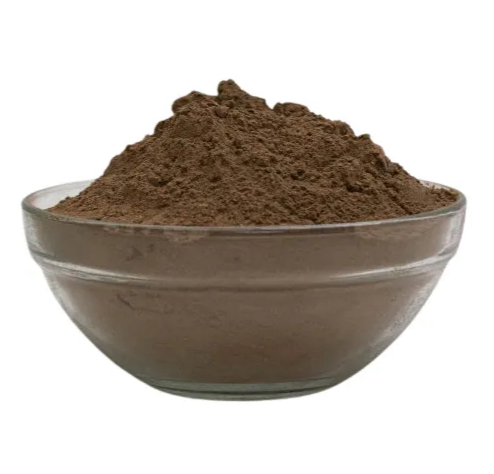
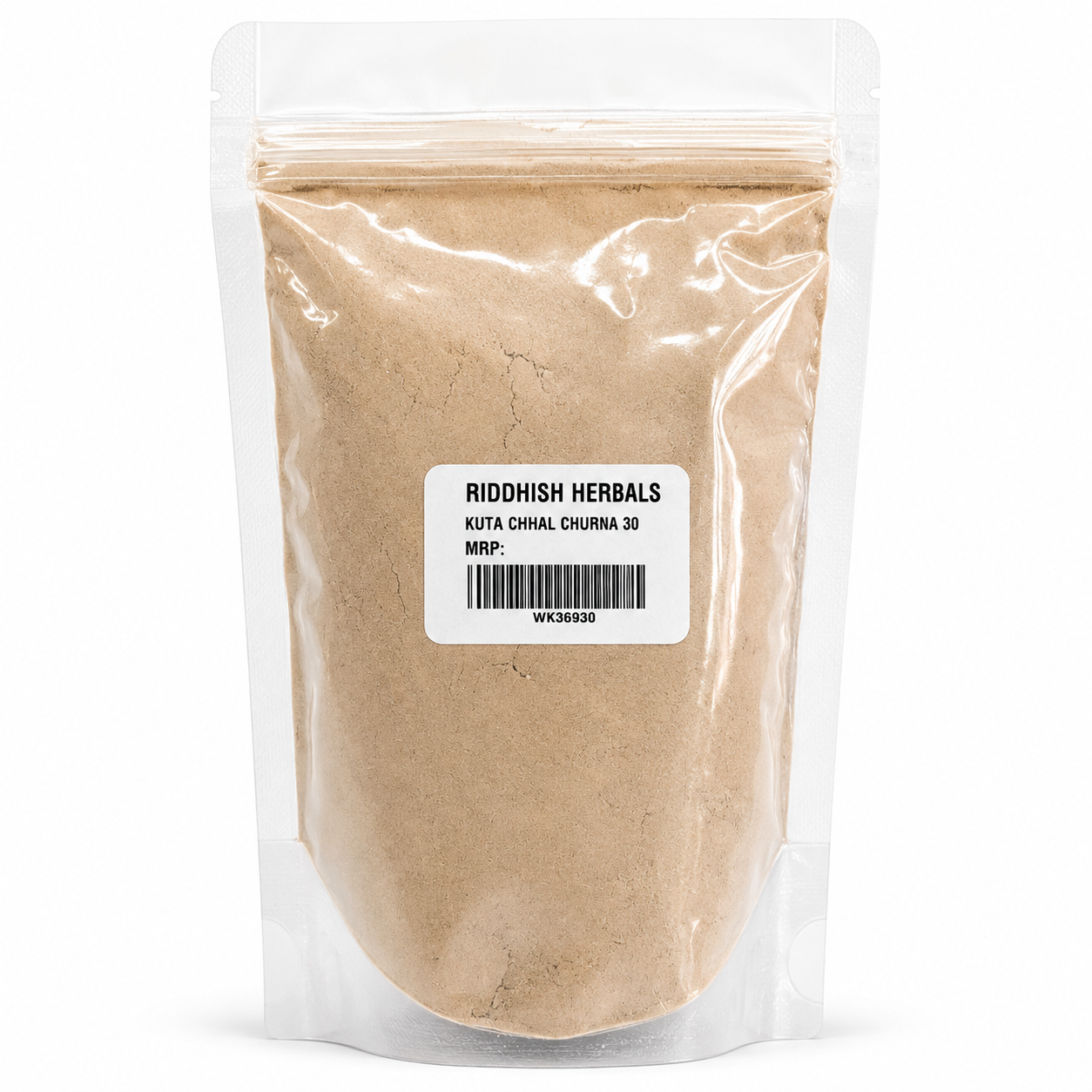
Kutaj Chhal Churna from Riddhish Herbals is a single-herb bark powder of Holarrhena antidysenterica (Wall. ex A.DC.) Wall. ex G.Don (Apocynaceae) — known in Sanskrit as Kutaja and in Hindi as Kurchi, a classical bark long referenced in Ayurvedic texts as a premier Grahi (digestive astringent) dravya. In classical Ayurveda it is described as Grahi, Kaphapittahara (Kapha-Pitta pacifying) and Sangrahiya (digestive-binding), with a specific classical affinity for the Purishavaha srotas (large intestine). Each pack is genuine, bill-provided material from a doctor-guided store operating since 2015.
About Kutaj Chhal Churna (Holarrhena antidysenterica Bark Powder)
Kutaja — called Kurchi in Hindi and Indrajav-vriksha in some regional trade — is a classical bark long referenced in Ayurvedic literature among the most-cited Grahi (digestive astringent) dravyas, distinct from Indrajav, the seed of the same tree, which Riddhish Herbals lists separately.
Riddhish Herbals supplies it as single-material Kutaj Chhal (bark) powder with a bill on every order. Given its classical potency, it is used within physician-guided Grahi-Sangrahiya routines, where a Vaidya determines the exact amount and anupan for the individual.
Traditional Ayurvedic Importance
Classical texts describe Kutaja bark as Grahi (digestive astringent, gut-toning), Kaphapittahara (Kapha-Pitta pacifying) and Sangrahiya (digestive-binding), with a specific classical affinity for the Purishavaha srotas (large intestine) — among Ayurveda's most frequently referenced barks for this classical action.
Its astringent potency means it is classically used within physician-guided routines rather than as a claim for any specific modern condition; the plant's botanical epithet reflects historical classification only, not a product benefit claim.
Key Features
- Pure Kutaj Chhal powder: ground bark of Holarrhena antidysenterica, a classical single herb, known in Sanskrit as Kutaja and in Hindi as Kurchi.
- Grahi: classically described as a premier digestive astringent, gut-toning herb.
- Kaphapittahara: classically described as Kapha-Pitta pacifying.
- Sangrahiya: classically referenced for digestive-binding action with a specific affinity for the Purishavaha srotas (large intestine).
- Classical single-herb bark: one of Ayurveda's most referenced Grahi dravyas, prepared from bark alone, no blending.
- Genuine, doctor-guided sourcing: bill provided with every pack; a store trusted since 2015.
Research on the Constituents
◆ Researchers isolated a previously unreported steroidal alkaloid (holadysenterine) along with three known steroidal alkaloids from the stem bark of Holarrhena antidysenterica, characterised by NMR and mass spectrometry — (Kumar N et al., 2007 — Chemical & Pharmaceutical Bulletin). PubMed PMID: 17541193
Results were observed under study conditions. Individual results may vary. This is shared for general educational interest and is not a medical claim. Consult your Ayurvedic physician before use.
Ingredients (single-material)
| Ingredient | Botanical (part) | Plant Part | Proportion |
|---|---|---|---|
| Kutaj Chhal (Kurchi Bark) | Holarrhena antidysenterica (Wall. ex A.DC.) Wall. ex G.Don (Apocynaceae) | Stem bark, dried and ground | 100% single material |
Single-material Kutaj Chhal powder (Holarrhena antidysenterica stem bark) — no fillers, colours or preservatives added, with the grade and preparation method exactly as declared on the physical pack label.
How to Use
As directed by a qualified Ayurvedic physician. Classical reference: 3–5 g (half to one teaspoon) with warm water, twice daily, or as your Vaidya directs, who sets the exact amount, anupan and duration to suit you.
Who Can Use It
For use within a qualified Ayurvedic physician's guidance, given its classical astringent potency. Not recommended during pregnancy or lactation without physician guidance. Children should use only under medical guidance. If you are on medication or managing any health condition, seek advice before use. Keep out of reach of children.
Safety Information
Kutaj Chhal (Holarrhena antidysenterica) is a potent classical single herb. Use it within a qualified Ayurvedic physician’s guidance, particularly in pregnancy, lactation, for children, or if you are on any medication or managing a health condition. Not intended for long-term unsupervised use. Keep out of reach of children. Results may vary from person to person.
Storage
Store in a cool, dry place in an airtight container away from moisture, heat and direct sunlight. Keep the pack tightly closed after each use.
Frequently Asked Questions
What is Kutaj Chhal Churna?
It is a single-herb bark powder of Holarrhena antidysenterica, known in Sanskrit as Kutaja and in Hindi as Kurchi, a classical Ayurvedic bark.
What are its classical properties?
Classical texts describe Kutaja bark as Grahi (digestive astringent), Kaphapittahara (Kapha-Pitta pacifying) and Sangrahiya (digestive-binding), with a specific classical affinity for the large intestine.
Which part of the plant is this?
This churna is prepared from the dried stem bark (Chhal) of Holarrhena antidysenterica, ground into a fine powder.
Is Kutaj Chhal Churna the same as Indrajav?
No — Kutaj Chhal is the bark of the tree, while Indrajav is the seed of the same tree. Riddhish Herbals stocks both separately as Indrajav Churna and Indrajav Akhu.
Is this AYUSH- or GMP-made?
This is a raw single herb in Riddhish Herbals’ own pack. Any AYUSH or GMP mark would appear on the physical pack — we state such marks only where verified on the pack.
Is it available at Riddhish Herbals?
Yes — Kutaj Chhal Churna is available at Riddhish Herbals as a genuine, bill-provided single herb, with doctor-guided selection since 2015.
What is the traditional way to use it?
A classical reference is 3–5 g with warm water, twice daily. Your Ayurvedic physician sets the exact amount and anupan to suit you, given the bark's astringent potency.
Has Holarrhena antidysenterica bark been studied scientifically?
Yes — researchers have isolated a new steroidal alkaloid (holadysenterine) along with known steroidal alkaloids from the stem bark (Kumar N et al., 2007, Chemical & Pharmaceutical Bulletin). This is shared for general educational interest, not as a medical claim.
How should I store Kutaj Chhal Churna?
Keep it in a cool, dry, airtight container away from moisture, heat and sunlight, and close the pack tightly after use.
Regional Names & Spelling Variants
| Language | Name |
|---|---|
| Local / common | Kutaj / Kurchi (widely used pan-Indian trade names) |
| Sanskrit | Kutaja (कुटज) |
| Hindi | Kurchi, Kutaj (कुरची) |
| Gujarati | Kudo, Kudani Chhal (romanised) |
| Marathi | Kuda, Pandhra Kuda (romanised) |
| Bengali | Kurchi, Kurchi Gach (romanised) |
| Tamil | Veppalai, Kodakappalai (romanised) |
| Telugu | Kodisapala, Palakodisa (romanised) |
| Kannada | Kodasige, Kutajavalli (romanised) |
| Malayalam | Kutakappala (romanised) |
| English + Botanical | Kurchi Bark, Tellicherry Bark, Conessi Bark — Holarrhena antidysenterica (Wall. ex A.DC.) Wall. ex G.Don (Apocynaceae) — stem bark, dried and ground |
| Search variants | kutaj chhal churna, kurchi bark powder, holarrhena antidysenterica bark, kutaja bark powder, tellicherry bark powder |
| Common misspellings | kutaj chal churna, kutja churna, kurchi bark churna, holarrhina antidysentrica |
Related at Riddhish Herbals
Indrajav Churna (Kutaja Seed Powder, same tree, seed part) · Indrajav Akhu (Kutaja Seed, whole) · Ayurvedic Raw Herbs & Materials · Doctor-Guided Product Selection