Skip to product information
1 of 1

Riddhish Herbals

Pushyanug Churna (Pushyanuga) – Classical 26-Ingredient Churna – Riddhish Herbals – 100g

Pushyanug Churna (Pushyanuga) – Classical 26-Ingredient Churna – Riddhish Herbals – 100g

Regular price Rs. 150.00
Regular price Rs. 150.00 Sale price Rs. 150.00
Sale Sold out

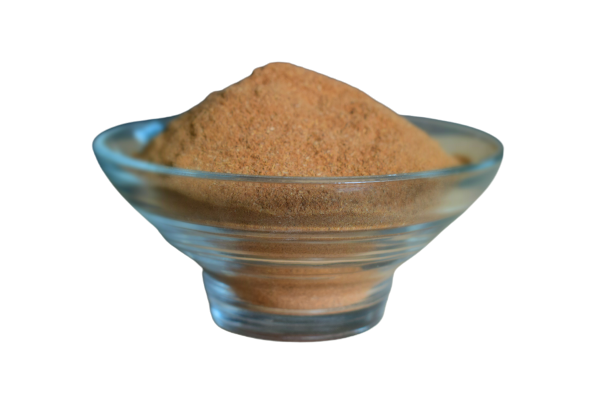
Pushyanug Churna from Riddhish Herbals is a classical Ayurvedic compound powder of twenty-six ingredients — twenty-five plant materials and one mineral, in equal parts — recorded in Charaka Samhita, Chikitsa Sthana 30/90–96, and named in verse 96 as Pushyanuga, praised by Atreya. Its better-known constituents include Lodhra (Symplocos racemosa bark), Musta (Cyperus rotundus rhizome), Ambashtha and Patha, Mocharasa (Bombax ceiba gum), Ativisha, Dhataki flower, Yashtimadhu and Gairika, the one mineral. It is not a single-herb powder, and it has nothing to do with Celastrus paniculatus — an earlier version of this page said it was that herb at 100 per cent, which was wrong, and the correction is set out below. Charaka's own instruction in verse 93 is that the powder be mixed with honey and taken with tandulodaka, rice-washed water. Supplied in a 100 g pack. Use under the guidance of a qualified Ayurvedic physician.

About Pushyanug Churna

Pushyanug Churna is one of the older women's-health formulations in the Ayurvedic record, and one of the more elaborate. It is a churna — a dry powder — but not the kind made by milling one plant. Twenty-six materials go into it in equal parts, each reduced to a fine powder and combined: barks, roots, seeds, a gum, a flower, a heartwood, a saffron stigma, and one mineral.

The name comes from the making. Charaka's verse 93 says the drugs are to be gathered under Pushya nakshatra — the Pushya constellation — and ground fine; hence Pushyanuga, "following Pushya". Verse 96 names the finished powder and records that it was praised by Atreya, which in the Charaka tradition is about as strong an endorsement as a formula receives.

What it is used for follows the astringent character of the ingredient list. Lodhra bark, Ashoka's near neighbours in practice, Mocharasa gum, Dhataki flower, Rakta chandana, Gairika — these are the classical kashaya, astringent, styptic materials, softened by Yashtimadhu, Draksha and saffron, and warmed slightly by Maricha and Shunthi so the whole is not merely cold and binding. It is a considered formula rather than a heap of herbs.

A correction: this page said it was one herb, and named the wrong one

We would rather publish the correction than make it silently, because this one went to the identity of the product.

The previous version of this listing stated, in its description and again in its composition line, that "Pushyanug Churna is derived from Celastrus paniculatus" at "100 per cent", and described the product as a "single-herb classical preparation". Every part of that is wrong. Celastrus paniculatus is Jyotishmati, also called Malkangni — a climbing shrub of the family Celastraceae whose seed and seed oil are used, classically as a medhya or nervine drug. It is a different plant with a different traditional purpose, and it does not appear anywhere in the Pushyanuga formula: not in the Charaka Sanskrit, not in Ashtanga Hridaya, not in the pharmacopoeial list, not in any published review of the formula we could find.

The "100 per cent" figure was impossible on its face. A twenty-six-ingredient compound cannot be 100 per cent of anything, and stating it that way also erased the one mineral in the formula from the declared composition — a labelling problem in its own right, separate from the botanical error.

Two other things went with it. A nine-row Regional Names block was removed: every row in it was simply the words "Pushyanug Churna" written out in a different alphabet — पुष्यानुग चूर्ण, પુષ્યાનુગ ચૂર્ણ, புஷ்யானுக சூரணம், and so on — which are transliterations, not vernacular names. A compound formulation does not have regional names in that sense, and ours no longer pretends to; the alternate spellings that genuinely exist are in the questions at the foot of this page. The reference list was also removed, because it consisted of "search this phrase on Google Scholar" rather than any actual citation.

Curiously, the store's own search description for this product had been right all along — it read "classical Ayurvedic compound powder". The body simply contradicted it.

Traditional Ayurvedic Importance

Charaka states the indications directly, and we record them as classical text rather than as anything we are claiming for the product. Chikitsa Sthana 30/94 names it in relation to blood passed in arshas and in atisara (diarrhoea), and to disorders of children arising from dosha and from agantuka — external — causes. Chikitsa Sthana 30/95 names it for yonidosha, disorders of the female genital tract, for rajodosha, disorders of menstruation, and for discharges the verse describes by colour: shveta (white), nila (blue), sapitaka (yellow), shyava (dusky) and aruna (reddish).

Ashtanga Hridaya, Uttara Sthana 34/45–49 carries the same formula and much the same indication set, with one difference worth noting: where Charaka speaks of children's disorders from dosha and external causes, Ashtanga Hridaya reads worms — krimi. The two texts are not identical, and pretending they are would be tidier but less true.

A point of accuracy that most listings get wrong: the Charaka verse itself does not use the words asrigdara or pradara, the terms almost universally attached to this formula in trade copy today. Those come from the later nosology — Bhaishajya Ratnavali files it under Pradararoga Adhikara — and from the modern pharmacopoeial literature. Charaka says yonidosha, rajodosha, and the coloured discharges. We have attributed each term to the text that actually uses it.

None of the above is a statement about what this product will do for you. It is a record of what the classical literature says, given with its chapter and verse so you can check it. Any use in your own case is a matter for a qualified Ayurvedic physician.

Key Features

  • Twenty-six ingredients, not one: Pushyanug Churna is a classical compound — twenty-five plant materials plus one mineral, all in equal parts. This page previously described it as a single herb at 100 per cent, which was wrong on both counts, and we have said so below rather than editing it out quietly.
  • Charaka Samhita, Chikitsa Sthana 30/90–96: the formula is given there, verse by verse, and named in verse 96 as Pushyanuga, praised by Atreya. Ashtanga Hridaya carries it again at Uttara Sthana 34/45–49.
  • Named for a star: verse 93 instructs that the drugs be gathered under Pushya nakshatra and ground to a fine powder — which is where the name comes from.
  • The classical vehicle is specific: mixed with honey and drunk with tandulodaka, rice-washed water. That is the verse's own instruction, not a modern addition.
  • One mineral, declared: Gairika — red ochre — is the twenty-sixth ingredient. It is a mineral, it is in the classical formula, and it is named here rather than quietly folded into a plant list.
  • Where the texts disagree, we say so: four ingredients in this formula have more than one accepted botanical identification, and one recension swaps an ingredient. Those are set out plainly below instead of being smoothed over.
  • Genuine, doctor-guided sourcing: bill provided with every pack; a store trusted since 2015, with pan-India delivery.

Research on the Constituents

Acharya and colleagues compiled the published literature, Indian classical texts and pharmacopoeial records on Lodhra (Symplocos racemosa Roxb.), reporting that most laboratory work has been done on the stem bark and that the constituents documented from it include the phenolic glycoside symplocoside, the triterpenoids betulinic, oleanolic and acetyloleanolic acid, and flavonoids such as quercetin. This is a review of prior literature, not a new clinical trial, and its authors themselves conclude that clinical validation is still needed. (Acharya et al., 2016 — Journal of Ethnopharmacology, vol. 181, pp. 236–251.) PubMed — PMID 26851499. Results observed in study conditions. Individual results may vary. Consult your Ayurvedic physician before use.

Urumarudappa and colleagues systematically compiled the taxonomic, ethnobotanical, phytochemical and pharmacological record for Ashoka (Saraca asoca, Fabaceae), documenting its long-standing traditional use in gynaecological practice and calling for further systematic chemical evaluation alongside conservation measures for what is now a vulnerable species. This too is a review of prior literature, not a trial. (Urumarudappa et al., 2023 — Journal of Ethnopharmacology, vol. 317, article 116861.) PubMed — PMID 37390875. Individual results may vary. Consult your Ayurvedic physician before use.

Xue and colleagues collated the published chemistry of Musta (Cyperus rotundus L., Cyperaceae) and recorded 552 compounds isolated or identified from the plant, among them monoterpenoids, sesquiterpenoids and flavonoids, together with a summary of the analytical methods and toxicology data available. A review, not a clinical study. (Xue et al., 2023 — Phytochemistry Reviews.) PubMed — PMID 37359712. Individual results may vary. Consult your Ayurvedic physician before use.

And the honest negative, which matters more than the three above. There is no PubMed-indexed clinical trial of Pushyanug Churna itself. A PubMed search for pushyanug returns zero records. The three citations on this page are reviews of the literature on three of its twenty-six ingredients, and a review of one ingredient is not evidence about a twenty-six-ingredient compound — we are showing you what exists, not dressing it up as more than it is. One analytical-chemistry paper on Pushyanuga Churna does appear to exist, but the record would not open for us, so it is deliberately not cited here: an unverified reference is worse than none. Google Scholar — Pushyanuga Churna.

Results were observed under study conditions. Individual results may vary. This is shared for general educational interest and is not a medical claim. Consult your Ayurvedic physician before use.

Composition (label-verified)

Ingredient Botanical Part Quantity
1. Patha Cissampelos pareira (read by some as Cyclea peltata) Root Equal part
2. Jambu beeja-majja Syzygium cumini Seed kernel Equal part
3. Amra beeja-majja Mangifera indica Seed kernel Equal part
4. Shilodbheda / Pashanabheda Bergenia ligulata — identification disputed, see note Rhizome Equal part
5. Rasanjana Berberis aristata — aqueous extract Concentrated extract, not a milled plant part Equal part
6. Ambashtha Cyclea peltata (read by some as Cissampelos pareira) Root Equal part
7. Mocharasa / Shalmali-shlesha Salmalia malabarica (= Bombax ceiba) Gum exudate Equal part
8. Samanga Mimosa pudica (read by some as Rubia cordifolia) Whole plant / root Equal part
9. Vatsaka tvak Holarrhena antidysenterica Stem bark Equal part
10. Bahlika / Kunkuma Crocus sativus Stigma (saffron) Equal part
11. Ativisha Aconitum heterophyllum Root tuber Equal part
12. Bilva Aegle marmelos Root or stem bark (some read unripe fruit) Equal part
13. Musta Cyperus rotundus Tuber / rhizome Equal part
14. Lodhra Symplocos racemosa Stem bark Equal part
15. Gairika MINERAL — red ochre / haematite (iron oxide) Not a plant part Equal part
16. Katvanga / Aralu Ailanthus excelsa or Oroxylum indicum — disputed Stem bark Equal part
17. Maricha Piper nigrum Fruit Equal part
18. Shunthi Zingiber officinale Dried rhizome Equal part
19. Mridvika / Draksha Vitis vinifera Dried fruit Equal part
20. Rakta chandana Pterocarpus santalinus Heartwood Equal part
21. Katphala Myrica esculenta Stem bark Equal part
22. Vatsaka / Indrayava Holarrhena antidysenterica Seed — the same plant as row 9, a different part Equal part
23. Ananta / Shveta sariva Hemidesmus indicus Root Equal part
24. Dhataki Woodfordia fruticosa Flower Equal part
25. Madhuka / Yashtimadhu Glycyrrhiza glabra Root Equal part
26. Arjuna Terminalia arjuna Stem bark Equal part

Read this before you read the table. The twenty-six rows above are the CLASSICAL FORMULA as recorded in Charaka Samhita, Chikitsa Sthana 30/90–96. They are not a transcription of a printed pack declaration: no physical label was available to us when this page was rebuilt, and we will not present a classical text as though it were a label. The printed label on the pack you receive is the final authority on what is in it. If the two ever disagree, the label wins and this page is wrong — tell us and we will correct it.

Composition: twenty-five plant materials and one mineral, in equal parts (tulyani, verse 93). Verse 93 also specifies that the drugs be gathered under Pushya nakshatra and reduced to a fine powder (sukshma-churna) — the source of the name.

Where the record genuinely disagrees with itself, and we would rather you knew: Shilodbheda (row 4) is read as Bergenia ligulata in most modern lists, as Aerva lanata in some, and as a mineral bitumen in one translation of Ashtanga Hridaya. Katvanga (row 16) is read as Ailanthus excelsa or as Oroxylum indicum. Patha and Ambashtha (rows 1 and 6) have Cissampelos pareira and Cyclea peltata swapped between them depending on the commentator, and some traditions read the two as one drug. Samanga (row 8) is a long-standing dispute between Mimosa pudica and Rubia cordifolia. Finally, the Charaka recension names Vatsaka twice — bark at verse 91 and seed at verse 92 — whereas the Bhaishajya Ratnavali version substitutes Padmakeshara, lotus stamens, in one of those places. Both still come to twenty-six.

So the honest count is twenty-six ingredients, not twenty-six species — Vatsaka fills two rows, and if Patha and Ambashtha are taken as one drug the distinct-species count falls again. Anyone advertising this as "26 herbs" has counted rows, not plants.

Not vegetarian-neutral by accident: the churna itself contains no animal-derived material, but the classical anupana is honey, which is.

How to Use

As directed by your Ayurvedic physician. This is a twenty-six-ingredient classical compound with a mineral in it and a specific traditional context; it is not a general daily powder to be self-prescribed.

The classical instruction, from Charaka Chikitsa Sthana 30/93, is precise about the vehicle: the fine powder is mixed with kshaudra — honey — and taken with tandulodaka, rice-washed water. Honey is the mixing medium and rice-water the drink; the verse uses both together. Milk is given as an alternative adjuvant in later practitioner literature.

On quantity. The classical texts give the vehicle, not a weight — Charaka states no number at all. The figure of 1–3 g, once or twice daily comes from the modern pharmacopoeial and practitioner literature rather than from the verse, and we are telling you which is which. We have not verified that figure against the printed pack, so follow the pack and your physician over anything on this page. Note also that the earlier version of this listing printed "1–2 g" alongside a claim that the product was a single herb; since the composition on that page was wrong, its dose line carries no weight either.

Tandulodaka, if you have not made it: rice is washed and the cloudy water retained. It is the traditional vehicle for this formula and for several others of the same character.

Who Can Use It

Adults, on the direction of a qualified Ayurvedic physician. The formula is recorded in the classical literature in a women's-health context, but who it suits, at what quantity and for how long is a clinical judgement, not a shelf decision.

Not in pregnancy or while breastfeeding without a physician's direction. This is not boilerplate. The formula contains Kunkuma — saffron, Crocus sativus — which carries a long-standing traditional and pharmacological reputation as an emmenagogue at higher intakes. The amount in a 1–3 g dose of a twenty-six-part equal formula is very small, but the constituent is genuinely there, and pharmacy portals record that adequate evidence for use in pregnancy and lactation is simply not available.

Take advice first if you are on any long-term prescribed medication. Yashtimadhu (Glycyrrhiza glabra) is row 25 of the formula, and glycyrrhizin is well documented as associated with sodium and potassium shifts on prolonged or high intake; pharmacy portals record a specific caution for anyone whose physician is already managing that area. Yashtimadhu and Shunthi both also have a documented interaction literature with anticoagulants.

Children: the classical verses do mention children's conditions, but a compound of this kind is not something to give a child without a physician deciding it.

Safety Information

Label not verified. No physical pack label was available when this page was built. The composition shown is the classical formula from Charaka Chikitsa Sthana 30/90–96, clearly labelled as such. The printed label on your pack is the final authority on ingredients, quantities, plant parts and manufacturing details. Read it.

This formula contains a mineral. Gairika — red ochre, an iron oxide — is the twenty-sixth ingredient and belongs to the classical formula. Mineral-containing churnas depend on proper shodhana (purification) and on sound quality control at the manufacturer; that is a reason to buy from a source that will give you a bill and stand behind the pack, and a reason to take it under professional direction rather than casually.

Not an indefinite daily powder. Practitioner literature on this formula notes that prolonged continuous use may itself disturb the menstrual rhythm, and describes it as belonging to the episode rather than to the year. Courses and duration are for your physician to set.

On Ativisha (row 11). Aconitum heterophyllum is the Aconite that classical Ayurveda uses freely — it is given even to infants — and it is a different species from A. ferox. The concern is not the drug but its substitution: it is a costly, over-collected root, and adulteration within the Aconitum genus would be a serious matter. Buy identifiable stock from a seller who can tell you where it came from.

General. Consult your physician before use if you are pregnant, lactating, taking any medication, or managing any health condition. Keep out of reach of children. Results may vary from person to person. Discontinue and seek advice if any discomfort follows use.

Storage

Store in a cool, dry place away from direct sunlight, in a tightly closed airtight container. Keep the powder dry — churnas of this kind cake and lose their character if moisture reaches them, and a damp spoon is the usual culprit. Keep out of reach of children.

Frequently Asked Questions

What exactly is Pushyanug Churna?

A classical Ayurvedic compound powder of twenty-six ingredients — twenty-five plant materials and one mineral, all in equal parts — recorded in Charaka Samhita, Chikitsa Sthana 30/90–96 and again in Ashtanga Hridaya, Uttara Sthana 34/45–49. It is a formula, not a single herb.

Is Pushyanug Churna made from Celastrus paniculatus?

No, and it never was. Celastrus paniculatus is Jyotishmati or Malkangni, a completely different plant used for entirely different purposes, and it does not appear in the Pushyanuga formula at all. An earlier version of this page said it did, at "100 per cent". That was an error, we have corrected it, and we have explained it in the body of the page rather than deleting it quietly.

What are the alternate names and spellings?

Pushyanug Churna, Pushyanuga Churna, Pushyanug Churan, Pushyanuga Choorna, Pushyanugam Churnam, Pushyanuga Chooranam, Pushyanug Powder, Pushyanugh Churna. In Devanagari the compound is written पुष्यानुग चूर्ण. These are spellings of one Sanskrit name, not regional names — a compound formulation does not have vernacular names the way a single herb does, which is why this page carries no Regional Names table. The page it replaces carried one with nine rows, and every row was this same name in a different script.

Why does the name mean "following Pushya"?

Because verse 93 says so. The drugs are to be gathered under Pushya nakshatra, the Pushya constellation, and ground to a fine powder — pushyena uddhritya. Verse 96 then names the finished powder Pushyanuga and records that it was praised by Atreya.

What does the classical text actually say it is for?

Chikitsa Sthana 30/94 names it in relation to blood passed in arshas and atisara, and to children's disorders from dosha and external causes. Verse 95 names yonidosha, rajodosha and discharges described by colour. We give those as a record of what the text says, with chapter and verse, and not as a promise of any outcome for you. What is appropriate in your case is for a qualified Ayurvedic physician to decide.

Is it true that Charaka never uses the word asrigdara for this?

Yes. Almost every listing you will read attaches asrigdara or pradara to this formula, but those words come from the later nosology — Bhaishajya Ratnavali files it under Pradararoga Adhikara — and from the modern pharmacopoeial literature. The Charaka verse says yonidosha, rajodosha and the coloured discharges. We have kept each term with the text that uses it.

What is the recommended anupan?

Charaka Chikitsa Sthana 30/93 is specific: mixed with honey (kshaudra) and taken with rice-washed water (tandulodaka). Both together, honey as the medium and rice water as the drink. Later practitioner literature offers milk as an alternative. Your physician's instruction comes before all of it.

How much should I take?

As directed by your Ayurvedic physician, and by the printed pack. The classical texts give no weight at all — they give the vehicle. The commonly quoted 1–3 g once or twice daily is from modern pharmacopoeial and practitioner sources, not from the verse, and we have not verified it against this pack's label.

Is it vegetarian?

The churna itself contains no animal-derived ingredient — twenty-five plant materials and one mineral. The classical anupana, honey, is animal-derived, so the traditional way of taking it is not vegan. Rice-washed water on its own is not.

Has Pushyanug Churna been studied scientifically?

Not in any trial we can point you to. A PubMed search for pushyanug returns no records at all. What exists is published work on individual ingredients — we cite three such reviews above, on Lodhra, Ashoka and Musta, and label each one honestly as a review of prior literature rather than a clinical trial. A review of one ingredient is not evidence about a twenty-six-ingredient compound, and we are not going to present it as though it were.

Is this AYUSH or GMP certified?

This pack is supplied under Riddhish Herbals' own label. Any AYUSH Standard Mark or GMP mark appears on the physical pack, and we state such marks only where they are verified on the pack itself. We do not add Organic or ISO product claims unless they are documented.

Is it available at Riddhish Herbals?

Yes — Pushyanug Churna 100 g is in stock at riddhishherbals.com and at our Gujarat retail stores, with pan-India delivery, a proper bill and doctor-guided selection since 2015.

Related at Riddhish Herbals

Since 2015Genuine ProductsBill ProvidedDoctor-Guided Selection4000+ Ayurvedic Products130+ Trusted BrandsPan-India Delivery
રીધ્ધીશ હર્બલ્સ — ગુજરાતનો વિશ્વાસપાત્ર આયુર્વેદિક સ્ટોર, જ્યાં સાચી સલાહ અને genuine Ayurvedic products એક જ જગ્યાએ મળે છે.
View full details
%}