Riddhish Herbals
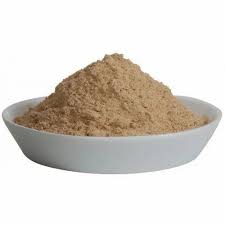
Udumbar Churna (Gular / Umro) – Ficus racemosa Single Herb – Riddhish Herbals – 100g
Couldn't load pickup availability
Udumbar Churna from Riddhish Herbals is a single-herb Ayurvedic powder of Udumbara (Ficus racemosa L., syn. F. glomerata), the cluster fig, supplied in a 100 g pack. Udumbara is recorded in classical Nighantu literature in the Kashaya (astringent) Rasa and Shita (cooling) Virya context, and its bark is one of the five barks of the classical Panchavalkala group. This listing is declared as the fruit (Phala); classical Udumbara churna is more commonly the bark (Twak), and we flag that difference rather than assume it. This is classical textual and compositional information, not a medical claim; consult a qualified Ayurvedic physician before use.
Reviewed by Dr. Riddhish Padiya — B.Pharm (Ayurveda), M.Pharm (Pharmacognosy), Ph.D. (Dravyaguna), ITRA Jamnagar. Publications under “Padiya RH”.
About Udumbar Churna
Udumbara is the cluster fig — the tree that fruits straight out of its own trunk in thick bunches rather than at the ends of its branches. It grows across most of India, it appears in Vedic literature, and it has been part of both ritual and Ayurvedic practice for a very long time. Gular in Hindi, Umro in Gujarati, Atti in Tamil and Kannada.
In classical Dravyaguna terms Udumbara is Kashaya (astringent) in Rasa and Shita (cooling) in Virya. That astringent-cooling character is the thread running through its traditional uses, and it is why the material is described as Pitta-pacifying in the classical texts.
It is worth knowing that the best-documented part of this tree is its bark. Udumbara Twak is one of the five barks of Panchavalkala, the classical five-bark group used as an external wash and internally in decoction, and most published laboratory work on Ficus racemosa has examined bark rather than fruit.
Which part is this? — an honest disclosure
The live product data for this pack describes it as Udumbar fruit powder. Classical Udumbara churna, and the Udumbara that appears in Panchavalkala, is usually the bark. Those are genuinely different materials from the same tree.
We have not transcribed a physical label for this pack this session, so we cannot resolve that from our side today. Rather than pick whichever answer reads better, this page states the part as the listing declares it — fruit — and flags the listing for pack-level confirmation of the plant part. The tag label-verify-plant-part is on this product for exactly that reason.
If the plant part matters for your use — and with this tree it genuinely might — please check the physical pack or ask us before ordering. We would rather tell you what we do not know than fill the gap with a confident guess.
Traditional Ayurvedic Importance
Classical Nighantu literature records Udumbara with Kashaya (astringent) as its principal Rasa and Shita (cooling) as its Virya, placing it in the Pittahara context. The astringent quality is what classical practice draws on, and it is present in both bark and fruit though not to the same degree.
Udumbara Twak (bark) is one of the five members of Panchavalkala, alongside Vata (Ficus benghalensis), Ashvattha (Ficus religiosa), Plaksha and Parisha. That group is classically used as an external wash and in decoction, in the Ropana (tissue-recovery) and Shodhana contexts.
Udumbara also appears in the classical Prameha context in the Samhitas. We mention that because it is part of the textual record and because you will find a great deal written about it online — but a classical category is not a modern diagnosis, and we make no modern metabolic claim of any kind for this product.
These are classical Dravyaguna categories quoted from their source. They describe how the texts classify the material; they are not statements about any diagnosed condition.
Key Features
- One plant, nothing else: Udumbara (Ficus racemosa L., syn. F. glomerata) ground to a churna — no blend, no filler, no extract.
- Plant part disclosed, and the ambiguity with it: this listing is declared as the fruit (Phala). Classical Udumbara churna is more often the bark (Twak). We state which this is, and flag it for pack-level confirmation rather than quietly assuming.
- The Panchavalkala tree: Udumbara bark is one of the five barks of the classical Panchavalkala group, alongside Vata, Ashvattha, Plaksha and Parisha — which is why so much of the published work on this species is bark work.
- Classically Kashaya and Shita: Bhavaprakasha Nighantu places Udumbara in the Kashaya (astringent) Rasa and Shita (cooling) Virya context. We give those terms as the text gives them, anchored to their source.
- A Vedic tree, not a novelty: Udumbara appears in Vedic literature and in ritual use long before it appears in a product catalogue, and it still grows across most of India.
- Classical terms kept as classical terms: Udumbara appears in the Prameha context of Charaka Samhita, Chikitsa Sthana 6, within the Nyagrodhadi group. We give that reference as the text gives it and make no modern claim on the strength of it.
- Genuine, doctor-guided sourcing: bill provided with every pack; a store trusted since 2015, with pan-India delivery.
Research on the Constituents
◆ Published laboratory work on this species has concentrated on its bark rather than its fruit: a study in BMC Complementary and Alternative Medicine isolated active constituents from the bark of Ficus racemosa and examined how they behaved in a laboratory model of tissue repair, the classical Ropana context — (Bopage NS et al., 2018 — BMC Complementary and Alternative Medicine). We cite it with an important caveat: that study examined bark, and this pack is declared as fruit, so it is published work on the species and not on the material in this pack. Results observed in study conditions. Individual results may vary. Consult your Ayurvedic physician before use. PubMed PMID: 29370854
Results were observed under study conditions. Individual results may vary. This is shared for general educational interest and is not a medical claim. Consult your Ayurvedic physician before use.
Composition (label-verified)
| Ingredient | Botanical | Part | Quantity |
|---|---|---|---|
| Udumbara / Cluster Fig (Ficus racemosa L., syn. F. glomerata) | Fruit (Phala) as declared on this listing — see plant-part note | Single herb | 100 g |
A single-material raw herb: this pack contains Udumbara and nothing else — no blend, no excipient, no extract, and no standardisation percentage is claimed. Plant part is flagged. The listing declares fruit (Phala); classical Udumbara churna and the Panchavalkala member are usually bark (Twak). No physical label was transcribed this session, so the part is stated as declared and tagged label-verify-plant-part for pack-level confirmation rather than silently corrected in either direction. Botanical identity is Ficus racemosa L.; Ficus glomerata Roxb. is the older synonym still seen in trade and in older literature.
How to Use
As directed by your Ayurvedic physician. The quantity commonly dispensed for adults is 1 to 3 grams of the churna, roughly a quarter to a half teaspoon, once or twice a day. The traditional Anupana is lukewarm water; classical practice sometimes uses honey once the water has cooled to lukewarm, or milk, depending on the individual — that choice belongs with your physician rather than a general rule. Children should be given this only on the direction of a qualified Ayurvedic physician.
Who Can Use It
Suitable for most adults in the quantity advised by a qualified Ayurvedic physician. Because Udumbara is Kashaya (astringent) and Shita (cooling) in classical character, people who tend to feel cold or who have sluggish digestion may find it does not suit them as readily, and that is a judgement for your physician. Not to be taken during pregnancy or lactation except under the direction of a qualified Ayurvedic physician. Anyone taking regular medication or managing a health condition should consult their physician before starting.
Safety Information
Udumbar Churna is a traditional Ayurvedic raw herb, not a substitute for professional medical care — please seek qualified medical attention directly for any health concern. We make no modern metabolic claim for this product. If you are managing any diagnosed condition, continue the care your doctor has advised and do not substitute this or any herb for it. Because Udumbara is cooling and astringent by classical character, an excessive quantity may not suit everyone; keep to the quantity your physician advises. Discontinue and consult a physician if any discomfort occurs. Use under the guidance of a qualified Ayurvedic physician if you are pregnant, lactating, taking any medication, or managing any health condition. Keep out of reach of children. Results may vary from person to person.
Storage
Store in a cool, dry place away from direct sunlight, in a tightly closed airtight container. A fruit-based churna carries more residual sugar than a bark powder does and will clump or attract insects faster if moisture gets in, so keep the pack firmly closed and keep damp spoons out of it.
Frequently Asked Questions
What is Udumbar Churna?
It is a single-herb Ayurvedic powder of Udumbara (Ficus racemosa L.), the cluster fig — known as Gular in Hindi and Umro in Gujarati. Classical Nighantu literature records it in the Kashaya (astringent) Rasa and Shita (cooling) Virya context.
Is this the bark or the fruit?
This listing declares the fruit (Phala). We want to be straightforward that classical Udumbara churna, and the Udumbara used in Panchavalkala, is more often the bark (Twak) — genuinely a different material from the same tree. We have not verified a physical label this session, so we state the part as declared and have flagged the listing for pack-level confirmation. If the part matters for your use, please check the pack or ask us.
What is Panchavalkala and is this it?
Panchavalkala is the classical five-bark group — Vata, Udumbara, Ashvattha, Plaksha and Parisha — used as an external wash and in decoction. Udumbara bark is one of its five members. This churna is a single herb, not the five-bark group, and is declared as fruit rather than bark.
What does the classical Prameha reference mean?
Prameha is a classical Ayurvedic category, and Udumbara appears within it in Charaka Samhita, Chikitsa Sthana 6, as part of the Nyagrodhadi group. A classical category is not a modern diagnosis, and we do not present it as one — we quote the reference and stop there. If you are managing any diagnosed condition, please continue the care your doctor has advised.
Is Ficus glomerata the same as Ficus racemosa?
Yes — the same tree under two names. Ficus racemosa L. is the accepted botanical name and Ficus glomerata Roxb. is the older synonym, still seen in the trade and in older literature.
What are the alternate names and spellings?
Udumbar, Udumbara, Umbar, Umro, Gular, Goolar, Atti and Medi are all the same tree. Common misspellings include Udumber, Udambar and Oudumbar. The full regional-name table is set out above.
How much should I take?
That is for your Ayurvedic physician to decide for you. The quantity commonly dispensed for adults is 1 to 3 grams — a quarter to a half teaspoon — once or twice daily.
Can I take this without a doctor?
It is better not to. Udumbar Churna is a classical Ayurvedic raw material and both the quantity and the timing are matters a qualified Ayurvedic physician should decide for the individual. Self-medicating is not advisable.
Is this AYUSH or GMP certified?
This is a loose raw herb supplied under Riddhish Herbals' own pack. Any AYUSH Standard Mark or GMP mark would appear on the physical pack, and we state such marks only where they are verified on the pack itself. We do not add Organic or ISO product claims unless they are documented on the label.
Has Ficus racemosa been studied scientifically?
Yes, though mostly its bark rather than its fruit. A study in BMC Complementary and Alternative Medicine (Bopage NS et al., 2018) isolated active constituents from the bark and examined them in a laboratory model of tissue repair. We cite it with the caveat that it studied bark while this pack is declared as fruit, so it is work on the species rather than on this material. Results may vary from person to person.
What is the recommended Anupana?
Lukewarm water is the usual vehicle. Classical practice sometimes uses honey once the water has cooled to lukewarm, or milk, depending on the individual — follow your physician's direction rather than a general rule.
How should I store it?
In a cool, dry place away from sunlight, in a tightly closed airtight container. A fruit-based churna clumps and attracts insects faster than a bark powder if moisture gets in, so keep it closed and keep damp spoons out.
Is it available at Riddhish Herbals?
Yes — Udumbar Churna is in stock at riddhishherbals.com and at our Gujarat retail stores, with pan-India delivery and a proper bill, doctor-guided selection since 2015.
Regional Names & Spelling Variants
| Language | Name |
|---|---|
| Local / common name (Gujarat) | ઉમરો (Umro) — also Umbaro; the name buyers actually use |
| Sanskrit | उदुम्बर (Udumbara); also Yajnanga, Hemadugdha in classical lists |
| Hindi | गूलर (Gular); also Umar |
| Gujarati | ઉમરો (Umro) |
| Marathi | उंबर (Umbar) |
| Bengali | ডুমুর (Dumur); the species is commonly distinguished as Jagya Dumur (romanised) |
| Tamil | அத்தி (Atti) |
| Telugu | మేడి (Medi) |
| Kannada | ಅತ್ತಿ (Atti) |
| Malayalam | അത്തി (Athi) |
| English + Botanical + part | Cluster Fig / Country Fig / Gular Fig — Ficus racemosa L. (syn. F. glomerata Roxb.), Family Moraceae — fruit as declared; bark is the classical Panchavalkala part |
| Romanised search variants | Udumbar · Udumbara · Umbar · Umro · Gular · Goolar · Atti · Medi · cluster fig powder |
| Common misspellings | Udumber · Udambar · Oudumbar · Gullar · Umber churna |
Related at Riddhish Herbals
Panchvalkal Kwath 100g — the classical five-bark group that includes Udumbara bark · Vasa Patra 100gm — another classical single raw herb · Tulasi Churna 100gm — classical single-herb daily churna · Triphala Churna 100gm — the classical daily three-fruit churna · Ayurvedic Raw Herbs & Materials
Share