Riddhish Herbals
Vacha Churna (Vaj / Sweet Flag) – Acorus calamus Single Herb – Riddhish Herbals – 100g
Couldn't load pickup availability
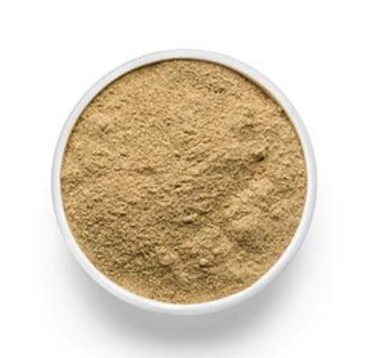
Vacha Churna from Riddhish Herbals is a single-herb Ayurvedic powder of Vacha (Acorus calamus L.), sweet flag rhizome, supplied in a 100 g pack. Vacha is recorded among the Medhya dravyas of classical Ayurveda and in the Vata-Kaphahara context. This is a physician-directed material, not a casual daily herb. The rhizome contains β-asarone, classical practice purifies it through Shodhana before internal use, and in larger quantity it acts as a Vamaka (emetic) — all three reasons why quantity and preparation are decisions for a qualified Ayurvedic physician rather than for a product page. This is classical textual and compositional information, not a medical claim.
Reviewed by Dr. Riddhish Padiya — B.Pharm (Ayurveda), M.Pharm (Pharmacognosy), Ph.D. (Dravyaguna), ITRA Jamnagar. Publications under “Padiya RH”.
About Vacha Churna
Vacha is the rhizome of sweet flag, a marsh plant whose creeping underground stem carries a sharp, unmistakable aroma. It is Bach in Hindi, Vaj or Ghodavaj in Gujarati, Vekhand in Marathi, Vasambu in Tamil. It has been in Ayurvedic use for a very long time and it appears in the classical lists of Medhya dravyas — the group of herbs associated with the intellect and with clarity of speech.
It is also one of the raw materials on this catalogue where we would rather lead with the cautions than with the benefits. Vacha is not Triphala. Classical practice is specific about how much is used and about how the material is prepared first, and both of those specifics exist for good reasons that are set out plainly further down this page.
In classical Dravyaguna terms Vacha is Katu (pungent) and Tikta (bitter) in Rasa, Ushna (heating) in Virya, and is described as Vata-Kaphahara. It is a strong, warming, aromatic material, and it behaves like one.
Three things you should know before buying this
1. It contains β-asarone. The rhizome of Acorus calamus contains a phenylpropanoid called β-asarone. How much depends heavily on which geographic variety the material comes from — the different varieties of this plant differ substantially in their content. There is a considerable published toxicological literature on this compound, which we link to rather than summarise selectively.
2. Classical practice purifies it first. Ayurveda does not use Vacha raw for internal purposes. Shodhana — classical purification, traditionally involving Godugdha (cow's milk) — is the step the texts prescribe before internal use. Whether a particular lot of loose powder has been through Shodhana is a pack-level question, and we would rather you asked us than assumed.
3. In quantity it is an emetic. Classical Panchakarma practice uses Vacha deliberately as a Vamaka to induce vomiting. That is a therapeutic procedure performed under supervision, and it is the clearest possible illustration of why the quantity of this particular herb is a physician's decision and not a matter of following a general instruction on a website.
None of this makes Vacha unusable — it is a legitimate classical Ayurvedic material with a long record of supervised use. It makes it a material for physician-directed use, which is exactly how we present it.
Traditional Ayurvedic Importance
Vacha appears in the classical Medhya group, the herbs associated in Ayurvedic literature with the intellect, with retention and with clarity of speech. That association is the reason for its long presence in the tradition and it is stated here as a classical category, not as a claim about anyone's cognition.
Its classical profile is Katu and Tikta in Rasa, Ushna in Virya, Katu in Vipaka, and Vata-Kaphahara in action. The pungent-bitter-heating combination is why it is classically described as Deepana and why it is used in small quantity rather than freely.
Vacha also has a documented place in Panchakarma as a Vamaka dravya, used in the Vamana procedure. That is a supervised clinical procedure in classical practice, not a home use.
These are classical Dravyaguna categories quoted from their source. They describe how the texts classify the material; they are not statements about any diagnosed condition.
Key Features
- One plant, nothing else: dried Vacha rhizome (Acorus calamus L.) ground to a churna — no blend, no filler, no extract.
- Physician-directed material, and we say so first: Vacha is not a casual daily herb. Classical practice is specific about quantity and about preparation, and this is one of the raw materials we would genuinely rather you did not self-prescribe.
- Shodhana matters here: classical Ayurvedic practice purifies Vacha before internal use, traditionally with Godugdha (cow's milk). Whether a given lot has undergone Shodhana is a pack-level question — ask before internal use.
- β-asarone is disclosed, not hidden: the rhizome contains β-asarone, and its level varies with the plant's geographic variety. We name it on the page rather than leave you to find out elsewhere.
- Classically Medhya: Vacha is recorded among the Medhya dravyas of the classical texts and in the Vata-Kaphahara context. We give those terms as the texts give them, anchored to their source.
- Vamaka in quantity: classical practice uses Vacha deliberately as a Vamaka (emetic) in Panchakarma. That is precisely why quantity is a physician's decision.
- Genuine, doctor-guided sourcing: bill provided with every pack; a store trusted since 2015, with pan-India delivery.
Research on the Constituents
◆ The constituent of Acorus calamus that has drawn the most toxicological attention is β-asarone, a phenylpropanoid present in the rhizome. There is a substantial published literature on it, and because the amount present varies considerably between the different geographic varieties of this plant, we point you to that literature directly rather than summarise it selectively: Google Scholar — Acorus calamus / β-asarone. We deliberately assert no specific study finding here. Classical Ayurvedic practice addresses this material through Shodhana (purification) before internal use, which is discussed on this page. Individual results may vary. Use only under the direction of a qualified Ayurvedic physician.
Results were observed under study conditions. Individual results may vary. This is shared for general educational interest and is not a medical claim. Consult your Ayurvedic physician before use.
Composition (label-verified)
| Ingredient | Botanical | Part | Quantity |
|---|---|---|---|
| Vacha / Sweet Flag (Acorus calamus L.) | Dried rhizome | Single herb | 100 g |
A single-material raw herb: this pack contains dried Vacha rhizome and nothing else — no blend, no excipient, no extract, and no standardisation percentage is claimed. No β-asarone figure is stated because none is printed on the pack and we have not assayed it; content varies substantially between the geographic varieties of this plant, so any number we quoted would be a guess. Shodhana status is likewise not declared on the pack — classical practice purifies Vacha before internal use, so please confirm with us before using it internally. Sold as a loose raw material under Riddhish Herbals' own pack. Botanical identity is Acorus calamus L., Family Acoraceae.
How to Use
Only as directed by a qualified Ayurvedic physician. We do not print a general quantity for Vacha, and that omission is deliberate rather than an oversight: classical practice uses this material in small, carefully judged amounts, and the same herb is used deliberately as a Vamaka (emetic) at higher quantity. Your physician will decide the amount, the Anupana and whether the material needs Shodhana first. Classical practice traditionally purifies Vacha with Godugdha (cow's milk) before internal use. Children should be given this only on the direct instruction of a qualified Ayurvedic physician — we print no paediatric quantity of any kind.
Who Can Use It
Adults, under the direction of a qualified Ayurvedic physician. This is not a material we would suggest anyone start on their own initiative. Not to be used during pregnancy or while breastfeeding. Not for children except on the direct instruction of a qualified physician. Anyone taking regular medication, anyone with a diagnosed health condition, and anyone with a history of seizures should speak to their physician before using Vacha at all. If you are unsure whether this material is appropriate for you, the honest answer is to ask a Vaidya rather than to try it.
Safety Information
Vacha Churna is a physician-directed classical Ayurvedic raw material and is not a substitute for professional medical care — please seek qualified medical attention directly for any health concern. The rhizome of Acorus calamus contains β-asarone, a constituent with a substantial published toxicological literature, and its content varies markedly between the geographic varieties of this plant. Classical practice purifies Vacha through Shodhana before internal use, traditionally with Godugdha (cow's milk); the Shodhana status of this loose material is not declared on the pack, so please confirm with us before any internal use. In larger quantity Vacha acts as a Vamaka (emetic) and is used that way deliberately in supervised Panchakarma. Do not exceed the quantity your physician specifies. Do not use during pregnancy or lactation. Not for children except on a physician's direct instruction. Anyone with a history of seizures should not use it without medical advice. Discontinue and consult a physician immediately if any discomfort occurs. Keep out of reach of children. Results may vary from person to person.
Storage
Store in a cool, dry place away from direct sunlight, in a tightly closed airtight container, and keep it well out of reach of children. Vacha's aroma comes from volatile constituents that fade with warmth and air, so a loosely closed pack loses its character quickly. Keep damp spoons out of it. Because this is a physician-directed material, we would suggest storing it separately from the everyday kitchen churnas rather than alongside them.
Frequently Asked Questions
What is Vacha Churna?
It is a single-herb Ayurvedic powder of Vacha (Acorus calamus L.), the dried rhizome of sweet flag. Vacha is recorded among the classical Medhya dravyas and in the Vata-Kaphahara context, and it is a physician-directed material rather than a casual daily herb.
Why do you not print a dose?
Because for this particular herb a printed general quantity would be irresponsible. Classical practice uses Vacha in small, carefully judged amounts, and the same material is used deliberately as an emetic at higher quantity in supervised Panchakarma. Your physician decides the amount. That is not us being unhelpful — it is the correct answer.
What is β-asarone and should I be concerned?
β-asarone is a phenylpropanoid constituent of the Acorus calamus rhizome. It has a substantial published toxicological literature, and its level varies considerably between the geographic varieties of the plant. We disclose it plainly, we do not state a figure for this pack because none is printed and we have not assayed it, and we link to the literature so you can read it yourself. It is one of the reasons this material is physician-directed.
What is Shodhana and has this been purified?
Shodhana is classical Ayurvedic purification, and for Vacha it is traditionally done with Godugdha (cow's milk) before internal use. The Shodhana status of this loose material is not declared on the pack. Please ask us and confirm before any internal use rather than assuming either way.
Can I take it for memory or concentration?
Vacha's place among the classical Medhya dravyas is a matter of textual record, and we state it as that. We make no claim about anyone's memory or concentration, and we would not suggest self-prescribing this herb on the strength of a classical category. Speak to a Vaidya.
Can children take it?
Only on the direct instruction of a qualified Ayurvedic physician. We print no paediatric quantity for this or any product, and for Vacha in particular that rule is firm.
Can I take it during pregnancy or while breastfeeding?
No. Do not use Vacha during pregnancy or lactation.
Is Vacha the same as Gandhilo Vaj?
No, and this is worth clearing up because the Gujarati name causes real confusion. Vacha is Acorus calamus, the sweet flag rhizome, sold locally as Vaj or Ghodavaj. Other materials carry Vaj-like trade names locally and are entirely different plants. If you are looking for a specific herb by a local name, please confirm the botanical name with us before ordering.
What are the alternate names and spellings?
Vacha, Vach, Bach, Bacha, Vaj, Ghodavaj, Vekhand, Vasambu, Baje and Vayambu are all the same herb. Common misspellings include Vachha, Vatcha and Ghodvaj. The full regional-name table is set out above.
Is this AYUSH or GMP certified?
This is a loose raw herb supplied under Riddhish Herbals' own pack. Any AYUSH Standard Mark or GMP mark would appear on the physical pack, and we state such marks only where they are verified on the pack itself. We do not add Organic or ISO product claims unless they are documented on the label.
Has Acorus calamus been studied scientifically?
Extensively, particularly its β-asarone content. We have deliberately not attributed a specific finding to specific authors on this page, because we could not verify a particular citation to our own standard while building it — and an unverified citation is worse than none. Instead we link to the literature search directly so you can read the primary sources yourself.
How should I store it?
In a cool, dry place away from sunlight, in a tightly closed airtight container, well out of reach of children. We would suggest keeping it separate from everyday kitchen churnas, since it is a physician-directed material.
Is it available at Riddhish Herbals?
Yes — Vacha Churna is in stock at riddhishherbals.com and at our Gujarat retail stores, with pan-India delivery and a proper bill, doctor-guided selection since 2015.
Regional Names & Spelling Variants
| Language | Name |
|---|---|
| Local / common name (Gujarat) | વજ (Vaj) / ઘોડાવજ (Ghodavaj) — the names buyers actually use |
| Sanskrit | वचा (Vacha); also Ugragandha, Shadgrantha in classical lists |
| Hindi | बच (Bach); also घोड़बच (Ghodbach) |
| Gujarati | વજ (Vaj) / ઘોડાવજ (Ghodavaj) |
| Marathi | वेखंड (Vekhand) |
| Bengali | বচ (Bach) |
| Tamil | வசம்பு (Vasambu) |
| Telugu | వస (Vasa); also Vadaja (romanised) |
| Kannada | ಬಜೆ (Baje) |
| Malayalam | വയമ്പ് (Vayambu) |
| English + Botanical + part | Sweet Flag / Calamus / Myrtle Flag — Acorus calamus L., Family Acoraceae — dried rhizome |
| Romanised search variants | Vacha · Vach · Bach · Bacha · Vaj · Ghodavaj · Vekhand · Vasambu · Baje · Vayambu · sweet flag powder · calamus root powder |
| Common misspellings | Vachha · Vatcha · Bacch · Ghodvaj · Vasampu |
Related at Riddhish Herbals
Tulasi Churna 100gm — a gentle everyday single-herb churna · Tagar Churna (Indian Valerian) — another classical aromatic root · Sudarshan Churna 100gm — classical bitter compound · Udumbar Churna 100gm — classical single-herb churna · Ayurvedic Raw Herbs & Materials
Share