
Riddhish Herbals
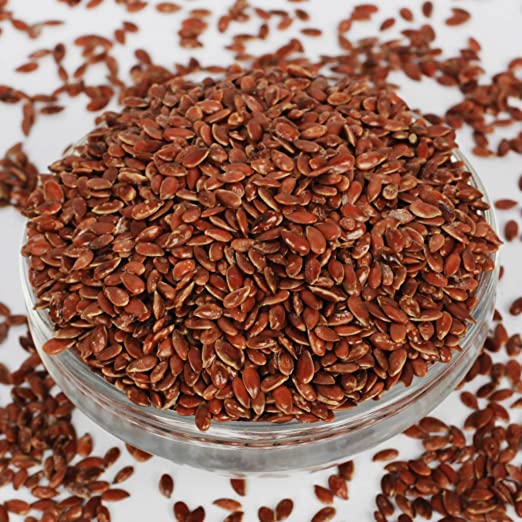
Alasi Beeja (Alsi / Flaxseed) – Linum usitatissimum Whole Seeds – Riddhish Herbals – 100g
Alasi Beeja (Alsi / Flaxseed) – Linum usitatissimum Whole Seeds – Riddhish Herbals – 100g
Couldn't load pickup availability
Alasi Beeja (flaxseed) from Riddhish Herbals is the whole seed of Linum usitatissimum, known in Ayurveda as Atasi. It is one of the richest plant sources of alpha-linolenic acid (ALA omega-3) and is naturally rich in dietary fibre, lignans and plant protein. In Ayurveda Atasi is a Snigdha (unctuous), Ushna dravya traditionally used to balance Vata. A 2019 review in Nutrients surveyed the nutritional properties of dietary flaxseed. Each pack is genuine, bill-provided material from a doctor-guided store operating since 2015.
About Alasi Beeja (Flaxseed / Atasi)
Alasi is the Gujarati name for flaxseed, the small, glossy brown seed of Linum usitatissimum — one of the oldest cultivated foods, valued equally in Ayurveda as Atasi and in modern nutrition. The seeds are a nutrient-dense food, notable as a plant source of omega-3 (ALA), fibre and lignans.
Riddhish Herbals supplies whole flaxseeds as a single-ingredient raw food, sourced under our doctor-guided selection standard with a bill on every order. They can be eaten roasted, ground, or sprinkled over everyday meals.
Traditional Ayurvedic & Nutritional Importance
In classical Ayurveda, Atasi is described as Madhura–Tikta in rasa, Snigdha (unctuous) and Guru in guna, and Ushna (warming) in virya, traditionally used to balance Vata. It appears in classical external applications as well as in daily nourishment.
Nutritionally, flaxseed is among the richest plant sources of alpha-linolenic acid, an omega-3 fatty acid, and provides soluble and insoluble dietary fibre along with lignans and plant protein. These compositional facts make it a valued everyday food.
Key Features
- Whole flaxseeds (Alasi): pure Linum usitatissimum seeds, single ingredient, nothing added.
- A natural source of ALA omega-3: flaxseed is one of the richest plant sources of alpha-linolenic acid.
- Dietary fibre & lignans: naturally rich in soluble and insoluble fibre and in plant lignans.
- Plant protein: a nutrient-dense seed for everyday vegetarian nutrition.
- Versatile daily food: use roasted, ground, or sprinkled over meals and smoothies.
- Genuine, doctor-guided sourcing: bill provided with every pack; a store trusted since 2015.
Research on the Constituents
◆ A 2019 review surveyed the nutritional properties and dietary uses of flaxseed (Linum usitatissimum) — (Parikh M et al., 2019 — Nutrients, 11:1171). PubMed PMID: 31130604
Results were observed under study conditions. Individual results may vary. This is shared for general educational interest and is not a medical claim. Consult your Ayurvedic physician before use.
Ingredients (single-ingredient, label-verified)
| Ingredient | Botanical (part) | Plant Part | Proportion |
|---|---|---|---|
| Alasi / Flaxseed (Atasi) | Linum usitatissimum | Seed (whole) | 100% single ingredient |
Single-ingredient whole seeds. No fillers, oils or colours added. A natural food source of ALA omega-3, dietary fibre and lignans.
How to Use
Flaxseeds are a food and are commonly used at about 1–2 teaspoons a day — roasted, ground fresh, or sprinkled over meals, salads and smoothies — with plenty of water. For any specific dietary or Ayurvedic use, follow the advice of your physician or nutritionist.
Who Can Use It
Suitable for most adults as part of a balanced diet. Drink adequate water when increasing fibre intake. If you are pregnant, lactating, on medication, or managing any health condition, consult your physician before adding flaxseed regularly. Children should use only as advised by a physician or paediatrician.
Safety Information
Flaxseed is a food. Introduce it gradually and take it with enough water, as it is high in fibre. Whole seeds are best chewed well or ground before eating. If you are pregnant, lactating, on medication, or managing any health condition, consult your physician before regular use. Results may vary from person to person.
Storage
Store in a cool, dry place in a tightly closed container away from direct sunlight and heat. Grind only what you need, as ground flaxseed is best used fresh.
Frequently Asked Questions
What is Alasi Beeja?
Alasi Beeja is flaxseed — the whole seed of Linum usitatissimum, called Atasi in Ayurveda — a nutrient-dense food and a plant source of omega-3 (ALA), fibre and lignans.
How do I eat flaxseed?
You can eat it roasted, ground fresh, or sprinkled over meals, salads and smoothies, with plenty of water. Around 1–2 teaspoons a day is a common serving.
Should flaxseed be eaten whole or ground?
Both are fine, but grinding or chewing well helps the body access its nutrients, since whole seeds can pass through undigested.
What are the alternate names of flaxseed?
It is known as Alsi or Tisi (Hindi), Alasi (Gujarati), Javas (Marathi), Tisi (Bengali), Avise ginjalu (Telugu), Agase (Kannada), Ali virai (Tamil), Atasi (Sanskrit) and linseed in English.
Is flaxseed good for daily use?
Flaxseed is a wholesome food that many people include daily in small amounts as part of a balanced diet; consult your physician for personalised guidance.
Is Alasi Beeja from Riddhish Herbals genuine?
Yes. Riddhish Herbals supplies genuine whole flaxseeds with a bill for every purchase, under our doctor-guided sourcing standard.
How should I store flaxseed?
Keep it in a cool, dry, tightly closed container away from sunlight and heat; ground flaxseed is best used fresh.
Has flaxseed been studied scientifically?
Yes — a 2019 review in Nutrients surveyed the nutritional properties of dietary flaxseed. This is shared for general educational interest, not as a medical claim.
Which dosha does Atasi balance?
Classical Ayurveda describes Atasi as a Snigdha, Ushna dravya traditionally used to balance Vata.
Regional Names & Spelling Variants
| Language | Name |
|---|---|
| Local / common (Gujarat) | Alsi / Alasi (અળસી) |
| Sanskrit | Atasi / Uma (अतसी) |
| Hindi | Alsi / Tisi (अलसी) |
| Marathi | Javas (जवस) |
| Bengali | Tisi / Masina (তিসি) |
| Tamil | Ali Virai (ஆளி விதை) |
| Telugu | Avise Ginjalu (అవిసె గింజలు) |
| Kannada | Agase Bija (ಅಗಸೆ ಬೀಜ) |
| Malayalam | Cheruchana Vitthu (romanised) |
| English + Botanical | Flaxseed / Linseed — Linum usitatissimum — seed |
| Search variants | alasi beeja, alsi, flax seeds, linseed, tisi, javas, avise ginjalu, atasi |
| Common misspellings | alsi beej, allasi, flaxseeds, lin seed |
Related at Riddhish Herbals
Alasi Shekeli (Roasted Flax Mukhwas) · Isabgol Husk (Psyllium) · Beetroot Churna · Ayurvedic Raw Herbs & Materials