
Skip to product information
1 of 1

Riddhish Herbals

Varunshigru Kwath (Varuna & Shigru) – Ayurvedic Decoction – Riddhish Herbals – 100g

Varunshigru Kwath (Varuna & Shigru) – Ayurvedic Decoction – Riddhish Herbals – 100g

Regular price Rs. 100.00
Regular price Rs. 100.00 Sale price Rs. 100.00
Sale Sold out

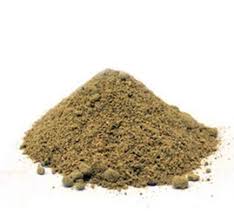
Varunshigru Kwath from Riddhish Herbals is a two-herb Ayurvedic Kwath — a coarse decoction powder simmered in water and strained before use — combining Varuna (Crataeva nurvala Buch.-Ham.) with Shigru or Moringa (Moringa oleifera Lam.), supplied in a 100 g pack. Varuna is recorded in classical Nighantu literature as Mutrala (diuretic) and Lekhana; Shigru is recorded as Deepaniya, Katu-Tikta in Rasa and Ushna in Virya. Both herbs are named on the pack, but their proportion is not declared and is not invented here. Classical categories are given as the texts give them; no claim is made about any organ, any diagnosed condition, or any nutritional outcome. Use under the guidance of a qualified Ayurvedic physician.

About Varunshigru Kwath

This is a two-herb decoction, and unusually for this range both herbs are named on the pack: Varuna and Shigru. The name itself is the composition — Varun-Shigru — which is a classical convention worth trusting when it is used honestly.

A Kwath is the oldest way of taking a herb blend. The coarse material is simmered in water, reduced, strained, and the liquid drunk warm, prepared fresh each time. The coarse cut is deliberate: a fine powder would turn the decoction to sludge rather than giving up its water-soluble fraction cleanly.

Varuna (Crataeva nurvala) is Katu and Tikta in Rasa, Ushna in Virya, and Kapha-Vata shamaka, with Mutrala and Lekhana as its most consistently recorded actions. Shigru (Moringa oleifera) is likewise Katu-Tikta and Ushna, and is classically recorded as Deepaniya. The two share a warming, pungent-bitter character, which is why they sit together rather than pulling against each other.

What the pack declares, and what it does not

It declares both herbs. After several listings in this range where the species or the plant part had to be inferred, that is genuinely worth noting.

It does not declare the proportion. A two-herb decoction can be anything from an even split to one herb dominating heavily, and the balance changes the character of the preparation. We have not written a ratio into the composition table, because we would be guessing.

The listing is tagged for pack-level composition confirmation. If the proportion matters for your use — because your physician has specified a particular formulation, for instance — please check the physical pack or ask us before ordering.

A word about Moringa

Shigru deserves a paragraph of its own, because it is one of the most aggressively marketed plants in the world. Moringa is sold as a superfood, a metabolic aid and a great many other things, often on the strength of laboratory work that does not support the promise being made.

Our position across this catalogue is consistent: we describe Shigru in the classical terms the Ayurvedic texts use — Deepaniya, Katu-Tikta, Ushna — and we make no nutritional or metabolic claim for it. The same approach is taken on our Shigru Pan Churna listing, which explicitly addresses the myths attached to this plant.

That is not a criticism of the herb. Shigru has a long and legitimate place in Ayurvedic practice. It is a caution about the claims that surround it.

Key Features

  • Both herbs are named on the pack: Varuna (Crataeva nurvala) and Shigru / Moringa (Moringa oleifera). That is more than several listings in this range manage, and it is worth saying.
  • The ratio is not declared: the pack names the two herbs but does not state their proportion. We have not invented one.
  • A Kwath, not a churna: a coarse decoction grade meant to be simmered in water and strained, prepared fresh each time rather than swallowed as a powder.
  • Classically Mutrala and Deepaniya: Varuna is recorded as Mutrala and Lekhana; Shigru is recorded as Deepaniya and Katu-Tikta, Ushna. Terms are given as the texts give them.
  • Moringa gets oversold — not here: Shigru is one of the most aggressively marketed plants in the world. We describe it in classical terms and make no nutritional or metabolic promise for it.
  • Completes a family: we also stock Varun Chhal Churna (the plain herb) and Varunadi Kwath (Varuna-led multi-herb decoction).
  • Genuine, doctor-guided sourcing: bill provided with every pack; a store trusted since 2015, with pan-India delivery.

Research on the Constituents

Both named herbs in this decoction have published literatures of their own. Crataeva nurvala (Varuna) has been studied largely through its bark, and Moringa oleifera (Shigru) is among the most heavily published plants in the field — which is precisely why it also attracts a great deal of overstated marketing. Because we could not verify a specific citation to our own standard while preparing this page, we assert no study finding here and attribute nothing to any authors. We point you to both literatures directly instead: Google Scholar — Crataeva nurvala · Google Scholar — Moringa oleifera. Note also that published work concerns the single herbs, not this two-herb decoction. An unverified citation is worse than none. Individual results may vary. Consult your Ayurvedic physician before use.

Results were observed under study conditions. Individual results may vary. This is shared for general educational interest and is not a medical claim. Consult your Ayurvedic physician before use.

Composition (label-verified)

Ingredient Botanical Part Quantity
Varuna (Crataeva nurvala Buch.-Ham.) Bark (Twak) — named on the pack Named herb Proportion not declared
Shigru / Moringa (Moringa oleifera Lam.) Named on the pack; part not specified Named herb Proportion not declared

Both herbs are named on the pack, which is more than several listings in this range provide. Their proportion is not declared, and no ratio is asserted here — a two-herb decoction can range from an even split to one herb dominating, and the balance changes the preparation. The plant part is stated for Varuna (bark, as the classical texts specify) but is not specified for Shigru on the pack; Moringa leaf, pod, seed and root-bark are all used in different traditions and are not interchangeable. No standardisation percentage or extract ratio is claimed. Tagged for pack-level composition confirmation.

How to Use

As directed by your Ayurvedic physician. The classical Kwatha method in Sharangdhara Samhita, Madhyama Khanda 2, simmers the coarse drug in water until reduced, then strains it. In household terms that is roughly one to two teaspoons in two cups of water, simmered down to about half, strained and taken warm. Prepare it fresh each time; a decoction is not meant to be kept. Children should be given this only on the direction of a qualified Ayurvedic physician.

Who Can Use It

Suitable for most adults when prepared in the classical way on professional advice. Both herbs are Ushna (heating) in classical character, so this preparation does not suit everyone equally and that judgement belongs with your physician. Not to be used during pregnancy — classical practice is cautious about Shigru in pregnancy, and Moringa root-bark in particular has a long-standing caution attached to it. Not during lactation except under the direction of a qualified Ayurvedic physician. Anyone with a diagnosed urinary or renal condition should speak to their doctor before taking this or any herb, and should continue the care their doctor has advised.

Safety Information

Varunshigru Kwath is a traditional Ayurvedic preparation and is not a substitute for professional medical care — please seek qualified medical attention directly for any health concern. This page makes no claim about any organ, any diagnosed condition, or any nutritional outcome. Do not use during pregnancy. Classical practice attaches a specific caution to Shigru in pregnancy, and because the pack does not specify which part of the Moringa plant is used, that caution is applied here in full. Both herbs are Ushna (heating) by classical character, so an excessive quantity may not suit everyone; keep to the amount your physician advises. If you are managing a diagnosed condition, continue the care your doctor has advised and do not substitute this or any herb for it. Discontinue and consult a physician if any discomfort occurs. Keep out of reach of children. Results may vary from person to person.

Storage

Store in a cool, dry place away from direct sunlight, in a tightly closed airtight container. A coarse Kwath grade takes up moisture more readily than a fine churna and will clump if the pack is left open in humidity, so close it firmly and keep damp spoons out. Prepare the decoction fresh; do not store the strained liquid.

Frequently Asked Questions

What is Varunshigru Kwath?

It is a two-herb Ayurvedic Kwath — a coarse decoction powder simmered in water and strained before drinking — combining Varuna (Crataeva nurvala) with Shigru or Moringa (Moringa oleifera). The name is the composition: Varun plus Shigru.

What proportion are the two herbs in?

The pack does not say, so we do not either. A two-herb decoction can range from an even split to one herb dominating heavily, and that balance changes the preparation. If the proportion matters for your use, please check the physical pack or ask us.

Which part of the Moringa plant is used?

The pack does not specify. That is worth knowing, because Moringa leaf, pod, seed and root-bark are used differently and are not interchangeable — root-bark in particular carries its own cautions. We have flagged this for pack-level confirmation rather than assuming leaf, which is the most common commercial form.

Is this a superfood or a nutritional supplement?

No, and we would rather be direct about that. Moringa is marketed extremely aggressively as a superfood and a metabolic aid. This page describes both herbs in the classical Ayurvedic terms the texts use and makes no nutritional claim for either.

How is it different from Varunadi Kwath?

Varunadi Kwath names Varuna as its lead herb with the rest of the blend undeclared. This one names both of its herbs. Your physician will say which formulation they mean — they are not interchangeable.

How is it different from Varun Chhal Churna?

Varun Chhal Churna is the plain single herb as a fine powder. This is a two-herb decoction grade. Buy the churna if you want Varuna alone; buy this if your physician has specified the Varuna-Shigru combination.

Can I take it during pregnancy?

No. Classical practice attaches a specific caution to Shigru in pregnancy, and because this pack does not specify which part of the Moringa plant it uses, we apply that caution in full.

How do I prepare it?

Roughly one to two teaspoons in two cups of water, simmered until reduced to about half, then strained and taken warm. Make it fresh each time and do not store the strained liquid.

Can I take this without a doctor?

It is better not to. Both herbs are heating in classical character, the proportion is not declared, and the Moringa part is unspecified — all three are reasons to ask a qualified Ayurvedic physician rather than to self-prescribe.

What are the alternate names and spellings?

Also written Varunshigru Kwatha, Varun Shigru Kwath, Varunashigru Kashaya and Varun-Shigru Kadha. Varuna appears as Varun, Barna and Baruna; Shigru appears as Sahijan, Saragvo, Munaga, Murungai and Drumstick or Moringa in English.

Is this AYUSH or GMP certified?

This pack is supplied under Riddhish Herbals' own label. Any AYUSH Standard Mark or GMP mark would appear on the physical pack, and we state such marks only where they are verified on the pack itself. We do not add Organic or ISO product claims unless they are documented on the label.

Have these herbs been studied scientifically?

Both have substantial published literatures — Moringa especially, which is part of why it attracts so much overstated marketing. We have deliberately not attributed a specific finding to specific authors here, because we could not verify a particular citation to our own standard while preparing this page, and work on single herbs is in any case not evidence about a two-herb decoction. We link to both literature searches instead.

How should I store it?

In a cool, dry place away from sunlight, in a tightly closed airtight container. A coarse grade picks up humidity faster than a fine powder, so keep the pack closed and keep damp spoons out. Do not store the prepared decoction.

Is it available at Riddhish Herbals?

Yes — Varunshigru Kwath is in stock at riddhishherbals.com and at our Gujarat retail stores, with pan-India delivery and a proper bill, doctor-guided selection since 2015.

Related at Riddhish Herbals

Since 2015Genuine ProductsBill ProvidedDoctor-Guided Selection4000+ Ayurvedic Products130+ Trusted BrandsPan-India Delivery
રીધ્ધીશ હર્બલ્સ — ગુજરાતનો વિશ્વાસપાત્ર આયુર્વેદિક સ્ટોર, જ્યાં સાચી સલાહ અને genuine Ayurvedic products એક જ જગ્યાએ મળે છે.
View full details
%}