Riddhish Herbals
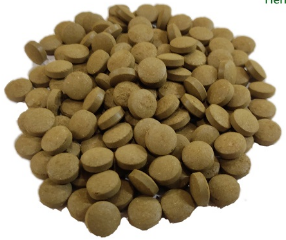
Vasa Tablets (Ardusi / Vasaka) – Adhatoda vasica Tablet – Riddhish Herbals – 100g
Couldn't load pickup availability
Vasa Tablets from Riddhish Herbals are a single-herb Ayurvedic tablet of Vasa — Adhatoda vasica Nees, syn. Justicia adhatoda L., family Acanthaceae — supplied in a 100 g pack. The leaf (Patra) is the part listed for Vasa in the Ayurvedic Pharmacopoeia of India. Bhavaprakasha Nighantu places the herb in the Guduchyadi Varga, describing it as Tikta and Kashaya in Rasa, Sheeta in Virya, Katu in Vipaka and Kapha-Pitta shamaka; Charaka Samhita Chikitsa Sthana 18 (Kasa Chikitsa) and Chikitsa Sthana 17 (Hikka-Shwasa Chikitsa) are the chapters in which Vasa is classically deployed, and Chikitsa Sthana 4 (Raktapitta) names it as a principal drug. A published review of the toxicological literature documents oxytocic and abortifacient activity for this herb's vasicine alkaloids (Claeson UP et al., 2000 — Journal of Ethnopharmacology; PMID 10967448), and this product is therefore not to be used in pregnancy. Classical categories are given as the texts give them. No claim is made here about any diagnosed condition. Use under the guidance of a qualified Ayurvedic physician.
Reviewed by Dr. Riddhish Padiya — B.Pharm (Ayurveda), M.Pharm (Pharmacognosy), Ph.D. (Dravyaguna), ITRA Jamnagar. Publications under “Padiya RH”.
About Vasa Tablets
Vasa is among the most consistently used single herbs in the classical Ayurvedic formularies. Bhavaprakasha Nighantu lists it in the Guduchyadi Varga: Tikta and Kashaya in Rasa, Sheeta in Virya, Katu in Vipaka, Kapha-Pitta shamaka. Charaka Samhita returns to it in Chikitsa Sthana 4, the chapter on Raktapitta, where it is a principal drug, and it is deployed in the Kasa and Hikka-Shwasa chapters — Chikitsa Sthana 18 and 17 — as those texts describe.
Those are classical categories, recorded here as the texts record them. They are not statements about any modern diagnosis, and this page does not make any.
The tablet form is a convenience rather than a tradition. The classical vehicle for this herb is the fresh leaf juice, Vasa swarasa, which is impractical for most households and does not keep. A tablet is how the same drug is made portable. What a tablet cannot do is tell you how much herb is in it, which is why the paragraph below matters.
The part used is the leaf. The Ayurvedic Pharmacopoeia of India lists Vasa under Patra, the leaf, and root and flower are not interchangeable with it.
Why this page was rewritten
We would rather tell you than have you find out. The copy that stood on this page until today named two diagnosed respiratory conditions as things the product was recommended for, stated that regular use would reduce the risk of respiratory infections, described the product as an effective remedy giving rapid relief, and declared it suitable for all ages — adults and children alike — two paragraphs before its own FAQ said children should only be given it on a physician's direction.
It also carried a Regional Names table in which the Hindi cell read वसा. That is the Hindi word for fat, or adipose tissue. It is not the name of this plant, which in Hindi is अडूसा — Adusa. Every other cell in that table was the product name transliterated into a different alphabet, including into scripts for a preparation this product is not.
None of that was acceptable under the Drugs and Magic Remedies (Objectionable Advertisements) Act, 1954, and none of it was true to the herb. It has been replaced with the classical record, attributed to the texts it comes from, and with three references we verified ourselves. If that makes this listing read as less confident than the one before it, so be it — the old confidence was not earned.
What is declared, and what is not
Declared: the herb (Adhatoda vasica) and the net quantity, 100 g.
Not declared: whether these tablets are compressed from the powdered leaf or from a concentrated extract, the individual tablet weight, and the tabletting excipients. Those are not trivia. The difference between a powder tablet and an extract tablet is the difference between two quite different doses of the same herb, and it is the first thing a physician will want to know.
We have not guessed at any of it. The listing is tagged for pack-level composition confirmation, and if this detail matters for your use, please check the physical pack or ask us before ordering.
One further note, recorded here in the interest of being straight with you: this 100 g pack is priced above our Vasa Ghanvati 100 g, even though a Ghana extract is normally the more concentrated and the dearer of the two preparations. We have flagged the two packs for a physical check rather than writing an explanation we cannot support. Ask us before ordering if the distinction matters to you.
Key Features
- One herb, named: Vasa — Adhatoda vasica Nees, syn. Justicia adhatoda L., family Acanthaceae. No blend, no undeclared additions.
- The leaf is the official part: the Ayurvedic Pharmacopoeia of India lists Vasa under the leaf (Patra). We say so rather than leaving the part vague.
- Classical placement, stated as the texts state it: Bhavaprakasha Nighantu puts Vasa in the Guduchyadi Varga — Tikta and Kashaya in Rasa, Sheeta in Virya, Katu in Vipaka, Kapha-Pitta shamaka. Charaka Samhita Chikitsa Sthana 4 uses it as a principal drug in Raktapitta.
- This page was rewritten, and we will say why: the previous copy named two diagnosed conditions as indications, promised to reduce infection risk, and declared the product suitable for all ages. None of that was defensible. It is gone.
- Three verified references, one of them a caution: including the safety review that is the reason this page says the product is not for use in pregnancy.
- Real regional names: Ardusi, Adusa, Adulasa, Basak, Adathodai, Adusoge, Adalodakam — source-checked. The block this replaces had the Hindi cell reading वसा, which is the Hindi word for fat, not the name of this plant.
- Genuine, doctor-guided sourcing: bill provided with every pack; a store trusted since 2015, with pan-India delivery.
Research on the Constituents
◆ A human clinical trial. Chaturvedi and colleagues at Banaras Hindu University reported a clinical trial of a Vasa (Adhatoda vasica) syrup in patients with Amlapitta, the classical Ayurvedic term for non-ulcer dyspepsia, examining changes in gastric acidity parameters — (Chaturvedi GN et al., 1983 — Ancient Science of Life 3(1):19–23). PMID 22557371. Noted here because it is one of the few human studies on this herb, and because its subject — digestion — is not the use this herb is usually sold for.
◆ A safety review, and the reason for our pregnancy caution. Claeson and colleagues published a critical review of the ethnopharmacological and toxicological data on Adhatoda vasica, which documents oxytocic and abortifacient activity associated with its vasicine alkaloids — (Claeson UP et al., 2000 — Journal of Ethnopharmacology 72(1–2):1–20). PMID 10967448. This is a caution, not a benefit. It is why this page says plainly that the product is not to be used in pregnancy.
◆ An animal study, labelled as such. Dhuley examined the antitussive activity of an Adhatoda vasica extract in animal cough-induction models — (Dhuley JN, 1999 — Journal of Ethnopharmacology 67(3):361–365). PMID 10617073. This was work in animals, not in people, and we will not extrapolate it to human use. It is included because it is the study most often cited for this herb, usually without that qualification.
Results were observed under study conditions. Individual results may vary. This is shared for general educational interest and is not a medical claim. Consult your Ayurvedic physician before use.
Composition (label-verified)
| Ingredient | Botanical | Part | Quantity |
|---|---|---|---|
| Vasa | Adhatoda vasica Nees (syn. Justicia adhatoda L.) | Leaf (Patra) — the part listed in the Ayurvedic Pharmacopoeia of India | Single herb; powder-or-extract basis not declared on pack |
| Tabletting excipients | Not declared | — | Present by necessity in any tablet; not itemised on pack |
This is a single-herb product: Adhatoda vasica, compressed into tablets, 100 g net. The pack does not state whether the tablets are made from the powdered leaf or from a concentrated extract, nor the tablet weight, nor the excipients — and none of those is invented here. That distinction changes the effective dose considerably, so it is the first thing to confirm with your physician. No standardisation percentage and no extract ratio are claimed. Tagged for pack-level composition confirmation.
How to Use
As directed by your Ayurvedic physician. Warm water is the usual vehicle, and the classical texts also pair Vasa preparations with honey. Because the pack does not state whether these tablets are powder-based or extract-based, a quantity taken from a book, from another brand's label or from a previous pack may not be the right quantity for this one — take what your physician specifies for this pack. Children should be given this only on the direction of a qualified Ayurvedic physician; the previous version of this page said otherwise and was wrong to.
Who Can Use It
Suitable for most adults on professional advice. Not to be used during pregnancy — a published review of the toxicological data on this herb documents oxytocic and abortifacient activity associated with its vasicine alkaloids (Claeson UP et al., 2000; PMID 10967448), and classical practice is cautious about Vasa in pregnancy for the same reason. Not during lactation except under the direction of a qualified Ayurvedic physician. This product is not suitable for all ages, whatever the earlier version of this page said: children only on physician direction. The herb is Sheeta (cooling) and Ruksha in classical character and does not suit every constitution equally. Anyone with a diagnosed breathing or bleeding condition should speak to their doctor before taking this or any herb, and should continue the care their doctor has advised.
Safety Information
Vasa Tablets are a traditional Ayurvedic preparation and are not a substitute for professional medical care — please seek qualified medical attention directly for any health concern, and do not delay it in favour of a herb. Do not use during pregnancy. This is not boilerplate: a peer-reviewed review of the toxicological literature on Adhatoda vasica documents oxytocic and abortifacient activity for its vasicine alkaloids (Claeson UP et al., 2000 — Journal of Ethnopharmacology; PMID 10967448). Not during lactation except on physician direction. Children only on physician direction. The pack does not state whether these tablets are powder-based or extract-based, so do not scale the quantity yourself. The herb is cooling and drying by classical character and may not suit every constitution. If you are managing a diagnosed condition, continue the care your doctor has advised and do not substitute this or any herb for it. Discontinue and consult a physician if any discomfort occurs. Keep out of reach of children. Results may vary from person to person.
Storage
Store in a cool, dry place away from direct sunlight, in a tightly closed airtight container. Herbal tablets soften and stick together in humidity, and a tablet that has absorbed moisture will not break up as it should. Close the pack firmly, keep damp fingers and damp spoons out, and do not decant into a container that has held anything moist.
Frequently Asked Questions
What is Vasa Tab?
It is a single-herb Ayurvedic tablet of Vasa, Adhatoda vasica Nees, supplied in a 100 g pack. The leaf (Patra) is the part listed for this herb in the Ayurvedic Pharmacopoeia of India. It is one herb, not a blend.
What does Ayurveda classically say about this herb?
Bhavaprakasha Nighantu places Vasa in the Guduchyadi Varga and describes it as Tikta and Kashaya in Rasa, Sheeta in Virya, Katu in Vipaka, Kapha-Pitta shamaka. Charaka Samhita Chikitsa Sthana 4 uses it as a principal drug in Raktapitta, and it appears in the Kasa and Hikka-Shwasa chapters, Chikitsa Sthana 18 and 17. Those are the classical categories as the texts give them, and they are not claims about any modern diagnosis.
Are these tablets made from the powdered herb or from an extract?
The pack does not say, and we are not going to guess. It matters more than it sounds: a tablet compressed from concentrated extract carries a great deal more herb than a tablet compressed from plain powder, so the two are not dosed alike. Ask your physician, and check the physical pack — or ask us and we will check it for you.
How is this different from Vasa Ghanvati?
Vasa Ghanvati is made from the concentrated aqueous extract, the Ghana, compressed into a vati. This listing is the plain tablet. They are not interchangeable and your physician will say which they mean. We have flagged both packs for a physical check, because their pricing sits the opposite way round from what the preparations would suggest, and we would rather tell you that than explain it away.
Can I take it during pregnancy?
No. A peer-reviewed review of the toxicological data on this herb documents oxytocic and abortifacient activity associated with its vasicine alkaloids (Claeson UP et al., 2000; PMID 10967448), and classical practice is cautious about Vasa in pregnancy for the same reason. Not during lactation either, except on the direction of a qualified Ayurvedic physician.
Is it suitable for children?
Only on the direction of a qualified Ayurvedic physician. An earlier version of this page described the product as suitable for all ages. That was wrong, it contradicted the same page's own FAQ, and it has been removed.
What are the alternate names and spellings?
Vasa is also called Vasaka, Atarusha, Simhasya and Vrisha in Sanskrit. In Gujarat it is અરડૂસી (Ardusi); in Hindi अडूसा (Adusa) or अड़ूसा (Arusa); in Marathi अडुळसा (Adulasa); in Bengali বাসক (Basak); in Tamil ஆடாதோடை (Adathodai); in Telugu అడ్డసరం (Addasaram); in Kannada ಆಡುಸೋಗೆ (Adusoge); in Malayalam ആടലോടകം (Adalodakam). In English it is Malabar Nut. The full table is further down this page. Two frequent errors worth naming: Bakas is Bengali, not Hindi; and वसा is the Hindi word for fat, not a name for this plant.
Has Vasa been studied scientifically?
Yes, and three references are given on this page with their PMIDs. The single human trial is Chaturvedi GN et al., 1983, in Ancient Science of Life. There is also a safety review (Claeson UP et al., 2000) and an animal antitussive study (Dhuley JN, 1999), which we have labelled as an animal study because it is one and is usually quoted without that qualification. Individual results may vary.
Can I take this without a doctor?
It is better not to. The powder-or-extract basis is undeclared, the herb carries a documented pregnancy caution, and Ayurvedic dosing depends on your constitution and the season. Ask a qualified Ayurvedic physician. Doctor-guided selection is what our store is for.
What is the recommended anupan?
Warm water is the usual vehicle, and the classical texts also pair Vasa preparations with honey. Your physician may specify something else for your constitution, and their direction takes precedence over any general rule.
How should I store it?
In a cool, dry place away from sunlight, in a tightly closed airtight container. Herbal tablets soften and stick in humidity, and a tablet that has taken up moisture will not break up properly. Keep damp fingers and damp spoons out of the pack.
Is this AYUSH or GMP certified?
This pack is supplied under Riddhish Herbals' own label. Any AYUSH Standard Mark or GMP mark would appear on the physical pack, and we state such marks only where they are verified on the pack itself. We do not add Organic or ISO product claims unless they are documented on the label.
How is this different from other brands?
Mostly in what we are willing to say, and in what we are willing to take down. We name the plant part, we name what the pack does not declare, we give three references with PMIDs, and we print the pregnancy caution with the study behind it. We also rewrote this page from the ground up because the copy that stood here named diagnosed conditions as indications and carried a regional-names table with the Hindi word for fat in it.
Is it available at Riddhish Herbals?
Yes — Vasa Tablets are in stock at riddhishherbals.com and at our Gujarat retail stores, with pan-India delivery and a proper bill, doctor-guided selection since 2015. The earlier version of this page pointed customers to other pharmacies; that has been corrected.
Regional Names & Spelling Variants
| Language | Name |
|---|---|
| Local / common name (Gujarat) — અરડૂસી (Aradusi / Ardusi) | The name most customers in our home market actually use. Also written Ardusi, Aradusi, Ardusa. |
| Sanskrit (romanised only — see note) | Vāsā · Vāsaka · Aṭarūṣa · Siṃhāsya · Vṛṣa · Siṃhaparṇī |
| Hindi | अडूसा (Adusa) · अड़ूसा (Arusa) · वासक (Vasak) |
| Gujarati | અરડૂસી (Aradusi) |
| Marathi | अडुळसा (Adulasa) |
| Bengali | বাসক (Basak) |
| Tamil | ஆடாதோடை (Aadaathoadai / Adathodai) |
| Telugu | అడ్డసరం (Addasaram / Addasaramu) |
| Kannada | ಆಡುಸೋಗೆ (Aadusoge) |
| Malayalam | ആടലോടകം (Adalodakam) |
| English · Botanical · Part used | Malabar Nut, Vasaka · Adhatoda vasica Nees (syn. Justicia adhatoda L.), family Acanthaceae · Leaf (Patra) |
| Romanised search variants | Vasa · Vasaka · Vasa Ghanvati · Vasaka Ghanvati · Adusa · Arusa · Adulsa · Ardusi · Adathodai · Malabar Nut · Adhatoda |
| Common misspellings | Vaasa · Vasika · Adhatoda vassica · Adusaa · Ghanwati · Ghanvatti |
Related at Riddhish Herbals
Vasa Ghanvati 100gm — the concentrated Ghana extract form · Vasa Patra 100gm — the plain dried leaf, the raw herb itself · Vasa Ghanvati 60 Tablets — the Ghana form in a smaller pack · Brihat Vasavaleha 200gm — the classical Vasa avaleha · Pushkarmool Churna 100gm — another classical single herb · Ayurvedic Raw Herbs & Materials
Share