
Riddhish Herbals
Shirishadi Kwath (Shirish / Siris Bark) – Ayurvedic Decoction – Riddhish Herbals – 100g
Shirishadi Kwath (Shirish / Siris Bark) – Ayurvedic Decoction – Riddhish Herbals – 100g
Couldn't load pickup availability
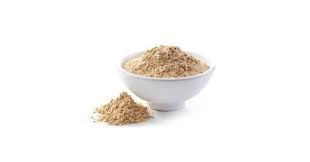
Shirishadi Kwath by Riddhish Herbals is a traditional single-herb Ayurvedic decoction (kwath) prepared from the sun-dried stem bark of Albizia lebbeck, known in Sanskrit as Shirisha and commonly as Siris or Shirish. In classical Ayurveda, Shirish bark is valued as a Vishaghna (anti-toxic) and twak (skin-wellness) herb and is traditionally taken as a warm decoction to support skin clarity and everyday balance. This 100g pack contains pure Siris bark with no artificial colours, flavours or preservatives.
About Shirishadi Kwath
Shirish has held a respected place in Indian households and Vaidya practice for generations. Riddhish Herbals prepares this kwath from carefully selected Albizia lebbeck stem bark, sun-dried and coarsely processed so the botanical identity of the herb is retained for a fresh home-made decoction. It is made in a GMP-, ISO 9001:2015- and HACCP-certified facility through Panchamrut Herbals — a quality assurance signal, not a health claim.
Rather than promising an overnight result, this preparation follows Ayurveda's slow, routine-led approach: a warm decoction taken as part of daily self-care, alongside mindful food and rest.
Traditional Ayurvedic Importance
Shirisha (Albizia lebbeck) is one of the classical Vishaghna herbs — those traditionally described for countering ama and toxins. Acharya Charaka grouped Shirisha among the Vishaghna (anti-toxic) and Vedanasthapana herbs (Charaka Samhita, Sutrasthana), and Sushruta placed it within the Shalsaradi Gana (Sushruta Samhita, Sutrasthana). Vagbhata includes it in the Asanadi group (Ashtanga Hridayam).
Across these texts Shirish bark is associated with twachya (skin-supportive) and kandughna (traditionally soothing for itching) qualities, which is why it features in classical skin-wellness and rakta-shodhana (traditional blood-cleansing) routines. These are records of classical use, described here for tradition and education.
Key Features
- Single-herb purity: pure single-source Albizia lebbeck (Shirish) stem bark — nothing else added.
- Classical kwath form: coarse bark for preparing a fresh warm decoction, the traditional way.
- Skin-wellness heritage: a classically twak- and Vishaghna-grouped herb, used in traditional routines.
- Clean label: free from artificial colours, flavours and preservatives.
- Quality-assured facility: prepared in a GMP-, ISO 9001:2015- and HACCP-certified unit.
- Vegetarian: completely plant-based, suitable for vegetarian routines.
Composition
| Ingredient (Sanskrit / label) | Botanical name | Part used | Proportion |
|---|---|---|---|
| Shirisha (Shirish / Siris bark) | Albizia lebbeck (L.) Benth. | Stem bark | Sole ingredient |
Composition as per the current product listing (single-material, pure Siris bark). No excipient or base is added.
Research & Scientific References
Researchers have studied Albizia lebbeck bark extract in a cosmeceutical context: a peer-reviewed study developed and evaluated a topical formulation containing the bark extract, examining its antioxidant-associated and skin-supportive characteristics — Tasneem R et al., 2022 — Journal of Cosmetic Dermatology, 21(4):1588–1595 (PMID 34021684).
Results observed in study conditions. Individual results may vary. Consult your Ayurvedic physician before use.
How to Use
As directed by your Ayurvedic physician. Traditionally, a coarse quantity of the bark is boiled in water to prepare a fresh decoction (kwath), reduced, strained, and taken warm. A commonly described measure is 10–20 ml of the prepared decoction once or twice daily, with lukewarm water (anupan) or as advised by your Vaidya. Prepare fresh and consume warm for the traditional effect.
Who Can Use It
Primarily suited to adults following wellness-based Ayurvedic routines. For children, the elderly, or anyone managing a health condition or taking medication, use only under the guidance of a qualified Ayurvedic physician. If you are pregnant or lactating, consult your physician before use.
Safety Information
Use under the guidance of a qualified Ayurvedic physician. Consult your physician before use if you are pregnant, lactating, on medication, or managing any health condition. Keep out of reach of children. Results may vary from person to person. This product is a traditional Ayurvedic preparation and is not a substitute for professional medical advice.
Storage
Store in a cool, dry place, away from direct sunlight and moisture. Keep the pack tightly closed after use.
Frequently Asked Questions
What is Shirishadi Kwath?
It is a traditional Ayurvedic decoction herb made from the stem bark of Albizia lebbeck (Shirisha). The coarse bark is boiled to prepare a fresh warm kwath, taken as part of daily wellness routines.
What are the alternate and regional names of Shirish?
Shirish is known as Shirisha in Sanskrit, Siris in Hindi, Sarsado in Gujarati, Vagai in Tamil, Dirisena in Telugu, Baage in Kannada and Vaka in Malayalam. Other names include Siris bark, Shirish chaal and Woman's Tongue Tree.
Is this AYUSH or quality made?
It is prepared in a GMP-, ISO 9001:2015- and HACCP-certified facility through Panchamrut Herbals. We do not display an AYUSH Standard Mark unless it is printed on the physical pack.
Can I use it without consulting a doctor?
Ayurveda recommends using classical decoctions under the guidance of a qualified Ayurvedic physician, who can advise the right quantity and duration for your constitution.
How do I prepare and use it, and what is the anupan?
Boil the bark in water to make a fresh decoction, strain, and take it warm — commonly 10–20 ml once or twice daily with lukewarm water as anupan, or as advised by your Vaidya.
Who should avoid it, and is it safe in pregnancy?
It is formulated for adults. Children, the elderly, and anyone pregnant, lactating, on medication or managing a health condition should use it only after consulting a physician.
How should I store it?
Keep it in a cool, dry place away from sunlight and moisture, in a tightly closed pack.
Is it available at Riddhish Herbals, and is a bill provided?
Yes. Shirishadi Kwath is available at Riddhish Herbals with a proper bill and doctor-guided selection, with pan-India delivery, since 2015.
Has Albizia lebbeck been studied scientifically?
Yes, it has been the subject of published research. A peer-reviewed study by Tasneem R and colleagues (2022, Journal of Cosmetic Dermatology) examined a bark-extract formulation for its antioxidant-associated, skin-supportive characteristics. Results observed in study conditions; individual results may vary.
Regional Names & Spelling Variants
| Language | Name |
|---|---|
| Local / common name | Siris / Shirish (Siras) |
| Sanskrit | शिरीष (Shirisha) |
| Hindi | सिरस (Siris) |
| Gujarati | Sarsado (romanised) |
| Marathi | Shirish / Siras (romanised) |
| Bengali | Sirish / Sirosh (romanised) |
| Tamil | Vagai (romanised) |
| Telugu | Dirisena (romanised) |
| Kannada | Baage / Bage mara (romanised) |
| Malayalam | Vaka / Nenmenivaka (romanised) |
| English + Botanical + part | Indian Siris / Woman's Tongue Tree — Albizia lebbeck (L.) Benth. — stem bark |
| Search variants | shirish, shirisha, siris, siras, sirisha, siris chaal, albizia lebbeck bark |
| Common misspellings | shirisadi, shirshadi, sirisadi, albezia lebbek |
Native script is shown only where verified (Sanskrit and Hindi, Devanagari); other regional names are given in romanised form to avoid script errors.
Related from Riddhish Herbals
• Bruhad Manjisthadi Kwath (skin-wellness kwath)
• Dashmool Kwath (classical ten-root decoction)
• Maha Rasnadi Kwath (classical Vata kashayam)
Explore: Ayurvedic Raw Herbs & Materials · Skin Care