Riddhish Herbals
Vakumbh Churna (Kumbhi) – Careya arborea Single Herb – Riddhish Herbals – 100g
Couldn't load pickup availability
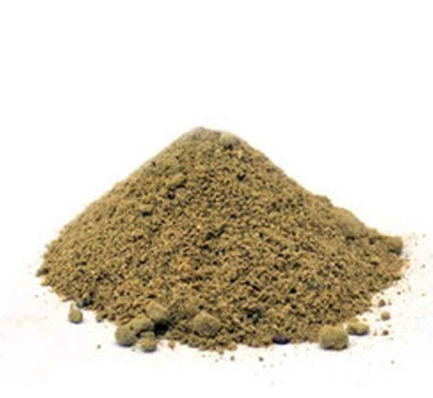
Vakumbh Churna from Riddhish Herbals is a single-herb Ayurvedic powder of Kumbhi (Careya arborea Roxb.), supplied in a 100 g pack. Kumbhi is recorded in classical Nighantu literature with Kashaya (astringent) and Tikta (bitter) Rasa in the Kaphahara context, and appears in the classical Vrana (wound-care) tradition. Two things are flagged rather than assumed on this page: the product title carries no botanical name, so the species is taken from the listing's own body text and its whole-herb sibling; and the pack does not declare which plant part the powder is made from. This is classical textual and compositional information, not a medical claim; consult a qualified Ayurvedic physician before use.
Reviewed by Dr. Riddhish Padiya — B.Pharm (Ayurveda), M.Pharm (Pharmacognosy), Ph.D. (Dravyaguna), ITRA Jamnagar. Publications under “Padiya RH”.
About Vakumbh Churna
Kumbhi is one of the less familiar names on this catalogue, and the product name does not help — "Vakumbh Churna" tells you almost nothing on its own. The tree behind it is Careya arborea, a deciduous species found across much of India, known regionally as Kumbhi, Kumbha and Vakumbh.
It is sold here in two grades. This listing is the churna, the ground powder. Its sibling, Vakumbhak Akha, is the same herb supplied whole and uncut. Neither is stronger than the other; the choice is about how you intend to prepare it, and your Vaidya will say which suits.
In classical Dravyaguna terms Kumbhi carries Kashaya (astringent) and Tikta (bitter) Rasa and is placed in the Kaphahara context. Classical practice associates it particularly with the Vrana tradition — external wound care — which is where most of its textual record sits.
Two things we are flagging rather than assuming
1. The title carries no botanical name. A raw-herb listing that names no species is a problem, because several unrelated plants carry similar-sounding regional names. We have given Careya arborea here because this listing's own body text names that species and because its whole-herb sibling is titled with it explicitly. That is a well-supported inference — but it is an inference from our own product data, not a transcription from a physical pack, and we would rather label it as such.
2. The plant part is not declared. Classical Kumbhi use centres on the bark, but this pack does not say whether the powder is bark, fruit or something else. We have not written a part into the composition table that the pack does not support.
Both points are tagged for pack-level confirmation. If either matters for your use, please check the physical pack or ask us before ordering.
Traditional Ayurvedic Importance
Classical Nighantu literature records Kumbhi with Kashaya (astringent) and Tikta (bitter) as its principal Rasa, and places it in the Kaphahara context. The astringent character is what classical practice draws on.
The clearest classical association is with Vrana — the wound-care tradition — where Kumbhi bark appears alongside other Kashaya-dominant barks in external preparations. That is the context in which the material is most consistently described in the texts.
These are classical Dravyaguna categories quoted from their source. They describe how the texts classify the material; they are not statements about any diagnosed condition. The previous version of this listing made several assertions of that kind without support, and they have been removed rather than softened.
Key Features
- One plant, nothing else: Kumbhi (Careya arborea Roxb.) ground to a churna — no blend, no filler, no extract. Despite the vague name, this is a single-material raw herb.
- The powdered grade of its sibling: this is the churna; Vakumbhak Akha is the same herb supplied whole. Same material, two grades — choose by how you intend to use it.
- Identity stated, and how we know it: the product title carries no botanical name. We give Careya arborea because both this listing's own body text and its whole-herb sibling name that species — and we flag it for pack confirmation rather than presenting an inference as settled fact.
- Plant part is not declared: the pack does not say which part this powder is made from. Classical Kumbhi use centres on the bark. We say what we do not know instead of filling it in.
- Classically Kashaya and Tikta: Kumbhi is recorded in classical Nighantu literature with astringent and bitter Rasa in the Kaphahara context, and appears in the Vrana (wound-care) tradition. Terms given as the texts give them.
- Unsupported claims removed: the previous version of this listing carried several wellness assertions that the material does not support and that our own compliance standard does not permit. None of them appear here.
- Genuine, doctor-guided sourcing: bill provided with every pack; a store trusted since 2015, with pan-India delivery.
Research on the Constituents
◆ Careya arborea (Kumbhi) has been the subject of published phytochemical and ethnobotanical work, much of it concerned with its bark. Because we could not verify a specific citation to our own standard while preparing this page, we assert no study finding here and attribute nothing to any authors — instead we point you to the literature directly so you can read the primary sources yourself: Google Scholar — Careya arborea / Kumbhi. An unverified citation is worse than none. Individual results may vary. Consult your Ayurvedic physician before use.
Results were observed under study conditions. Individual results may vary. This is shared for general educational interest and is not a medical claim. Consult your Ayurvedic physician before use.
Composition (label-verified)
| Ingredient | Botanical | Part | Quantity |
|---|---|---|---|
| Kumbhi (Careya arborea Roxb.) | Plant part not declared on this pack — classical use centres on bark | Single herb | 100 g |
A single-material raw herb: this pack contains Kumbhi and nothing else — no blend, no excipient, no extract, and no standardisation percentage is claimed. Two gaps are declared rather than filled. The species is given as Careya arborea Roxb. on the strength of this listing's own body text and its whole-herb sibling product, not from a transcribed physical label. The plant part is not stated on the pack and is therefore not stated here. Both are tagged for pack-level confirmation. Sold as a loose raw material under Riddhish Herbals' own pack.
How to Use
As directed by your Ayurvedic physician. We do not print a general quantity for this herb, because the pack does not declare which plant part it is and the appropriate amount differs by part. Your physician will decide the quantity, the Anupana and whether this material suits you at all. Classical Kumbhi use is largely external, in the Vrana tradition; if you intend internal use, confirm the plant part with us first. Children should be given this only on the direction of a qualified Ayurvedic physician.
Who Can Use It
Adults, in the quantity and manner advised by a qualified Ayurvedic physician. Because both the plant part and the pack-level identity are unconfirmed on this listing, we would suggest you regard it as a material to ask about rather than one to try on your own initiative. Not to be taken during pregnancy or lactation except under the direction of a qualified Ayurvedic physician. Anyone taking regular medication or managing a health condition should consult their physician before starting.
Safety Information
Vakumbh Churna is a traditional Ayurvedic raw material and is not a substitute for professional medical care — please seek qualified medical attention directly for any health concern. The plant part is not declared on this pack and the botanical identity is inferred from our own product records rather than transcribed from a label, so please confirm both with us before internal use. We make no claim on this page beyond the classical categories recorded in the Nighantu literature. The previous version of this listing went considerably further without support, and that material is gone. Discontinue and consult a physician if any discomfort occurs. Use under the guidance of a qualified Ayurvedic physician if you are pregnant, lactating, taking any medication, or managing any health condition. Keep out of reach of children. Results may vary from person to person.
Storage
Store in a cool, dry place away from direct sunlight, in a tightly closed airtight container. A bark-type churna keeps well if it is kept dry, but it will clump and lose character if the pack is left open in humidity, so close it firmly and keep damp spoons out of it.
Frequently Asked Questions
What is Vakumbh Churna?
It is a single-herb Ayurvedic powder of Kumbhi (Careya arborea Roxb.), a tree found across much of India and known regionally as Kumbhi, Kumbha or Vakumbh. Classical Nighantu literature records it with Kashaya and Tikta Rasa in the Kaphahara context.
How is it different from Vakumbhak Akha?
Grade, not material. This is the churna — the ground powder. Vakumbhak Akha is the same herb supplied whole and uncut. Neither is stronger; the choice depends on how you intend to prepare it, and your Vaidya will advise.
Why does the product name not include a botanical name?
That is a genuine shortcoming of the original listing and we have not papered over it. We give Careya arborea because this listing's own body text names that species and its whole-herb sibling is titled with it. That is a well-supported inference from our product records rather than a transcription from a physical pack, and the listing is tagged for confirmation.
Which part of the plant is this?
The pack does not say, so neither do we. Classical Kumbhi use centres on the bark, but we have deliberately not written "bark" into the composition table on the strength of a general expectation. If the part matters for your intended use, please check the physical pack or ask us first.
What wellness claims does this page make?
Only the classical Dravyaguna categories recorded in the Nighantu literature, given as classical terms with their context. The previous version of this listing carried a set of broader assertions that the material does not support; they have been removed rather than reworded.
What are the alternate names and spellings?
Vakumbh, Vakumbhak, Kumbhi, Kumbha and Kumbi all refer to this herb. Common misspellings include Vakumb, Wakumbh and Kumbhee. The full regional-name table is set out above — note that four of the southern names are given romanised only, because we could not verify their native-script forms to our own standard this session.
Why are some regional names romanised instead of in native script?
Because a wrong native-script name is worse than none. Where we could not independently verify a script form for this species, we give the romanised name and say so, rather than guessing at characters.
Can I take this without a doctor?
We would rather you did not. With the plant part undeclared and the identity taken from our own records rather than a physical label, this is a material to ask a qualified Ayurvedic physician about before using.
Is this AYUSH or GMP certified?
This is a loose raw herb supplied under Riddhish Herbals' own pack. Any AYUSH Standard Mark or GMP mark would appear on the physical pack, and we state such marks only where they are verified on the pack itself. We do not add Organic or ISO product claims unless they are documented on the label.
Has Careya arborea been studied scientifically?
There is published phytochemical and ethnobotanical work on the species, much of it on its bark. We have deliberately not attributed a specific finding to specific authors here, because we could not verify a particular citation to our own standard while preparing this page. We link to the literature search instead so you can read the primary sources directly.
How should I store it?
In a cool, dry place away from sunlight, in a tightly closed airtight container. Keep damp spoons out of the pack.
Is it available at Riddhish Herbals?
Yes — Vakumbh Churna is in stock at riddhishherbals.com and at our Gujarat retail stores, with pan-India delivery and a proper bill, doctor-guided selection since 2015.
Regional Names & Spelling Variants
| Language | Name |
|---|---|
| Local / common name (Gujarat) | કુંભી (Kumbhi) — also sold as Vakumbh / Vakumbhak |
| Sanskrit | कुम्भी (Kumbhi); also Kaidarya, Katabhi in classical lists |
| Hindi | कुम्भी (Kumbhi); also Kumbhi ka ped |
| Gujarati | કુંભી (Kumbhi) |
| Marathi | कुंभा (Kumbha) |
| Bengali | কুম্ভী (Kumbhi) |
| Tamil | Pelu / Ayma (romanised only — native-script name not independently verified this session) |
| Telugu | Budatha / Kumbhi (romanised only — native-script name not independently verified this session) |
| Kannada | Kaval / Kumbhi (romanised only — native-script name not independently verified this session) |
| Malayalam | Pezhu / Alam (romanised only — native-script name not independently verified this session) |
| English + Botanical + part | Wild Guava / Slow Match Tree / Ceylon Oak (regional English names vary) — Careya arborea Roxb., Family Lecythidaceae — plant part not declared on this pack |
| Romanised search variants | Vakumbh · Vakumbhak · Kumbhi · Kumbha · Kumbi · Careya arborea powder · wild guava bark powder |
| Common misspellings | Vakumb · Wakumbh · Kumbhee · Kumbi churan · Careya arboria |
Related at Riddhish Herbals
Vakumbhak Akha 100g — the same herb supplied whole rather than powdered · Panchvalkal Kwath 100g — classical five-bark group in the Vrana tradition · Udumbar Churna 100gm — another classical single-herb churna · Tulasi Churna 100gm — classical single-herb daily churna · Ayurvedic Raw Herbs & Materials
Share